
“Why Would a Mother Die When She’s Bringing Life?”: A Leadership Spotlight on Dr. Moke Magoma, Country Representative, EngenderHealth Tanzania


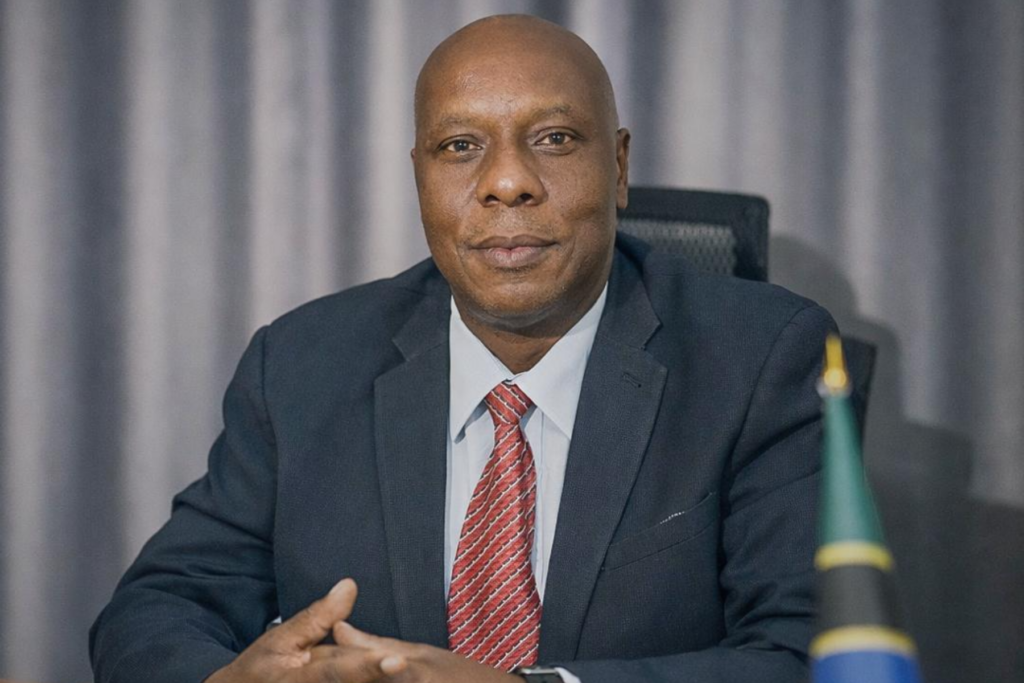
Dr. Moke Magoma did not set out to become one of Tanzania’s leading voices on maternal and newborn survival. His path began, almost by accident, on the dry plains of Ngorongoro—and has been shaped ever since by the women he could not save as much as by the ones he could.
Today, as Country Representative for EngenderHealth Tanzania, he leads the organization’s work across reproductive, maternal, newborn, child and adolescent health (RMNCAH), including sustained support to the Ministry of Health. He was recently nominated to help draft the government’s “One Plan IV,” the national RMNCAH blueprint—recognition, he says, of EngenderHealth’s technical standing. To understand his leadership, though, it helps to start not in a boardroom, but in a maternity ward with no back-up and no easy exits.
A Doctor Finds His Calling in Maasai Land
Maternal health was not Dr. Magoma’s first passion. It found him after he was posted to Ngorongoro District, among a predominantly semi-nomadic and historically underserved Maasai population. Facility deliveries there had been reserved almost exclusively for emergencies; through outreach and persistence, his team pushed that figure to roughly ten percent of births—a number that felt, at the time, like a revolution. He returned to the area after his specialty training and again during his PhD, working at Endulen Hospital, then Wasso District Hospital, before moving into Arusha town at St. Elizabeth Hospital.
His first night at Endulen Hospital set the tone for everything that followed. He arrived during a full moon, welcomed by the resident nuns, and by 2 a.m. was woken for a delivery, told to use the back door because lions were eating a zebra out front. The patient needed an emergency cesarean section. A nurse, unsure whether the newly arrived doctor was capable, asked if he could really do it.
“As they were preparing that young lady, one nurse whispered in my ear: ‘Doc, are you sure? Or should we call an ambulance and send her to town?’ I asked how long that would take—three hours, she said. I told her, ‘By three hours, either the baby is dead, or both are dead. I will do it.’ Within twenty-five minutes, it was done. When I finished, the woman woke up, and the nuns sent everyone out of the theatre cheering—because they hadn’t been sure. They didn’t believe in me; I had graduated relatively young.”
That night, and others like it, convinced him of what a young doctor could accomplish—an experience that ultimately helped him secure the Ford Foundation PhD scholarship that carried his career further.
“You Will Never Know a Woman Unless You Are One of Them”
Not every formative encounter in Ngorongoro involved a delivery. A woman from a nearby Maasai boma once arrived badly injured, having fled her husband. At the time, staff had little recourse beyond documenting the assault with an unsupportive police force. She told Dr. Magoma she had made up her mind to leave, but her father had already received cows as bride price, her brothers wouldn’t repay them, and none of it, she said, counted against her five children with the man. When he suggested that returning might be the most realistic path, she looked him in the eye.
“She told me, ‘Doctor, you will never know a woman unless you’re one of them.’ I looked at her, and all I could do was cry.”
That moment, he says, shaped how he came to understand gender-based violence and its consequences for families and communities. It also, subconsciously, steered the direction of his later studies.
A Death That Changed Everything
If Ngorongoro shaped his passion, his internship at Kilimanjaro Christian Medical Centre shaped his understanding of what a health system owes its patients. A young woman admitted with abdominal pain turned out to have an unsafe abortion that had perforated her womb and intestines. She improved for a few days after surgery, then, on the sixth day, her condition turned.
“She held my hand and told me, ‘Please, doctor, when my mother comes, tell her I am sorry I did not say this earlier. Tell my mother to take care of my son.’ She told me she was a businesswoman with maize stored, and asked me to have her mother sell it and keep the money for her son. Then she said, ‘Unfortunately, I am dying. You have been so nice to me. One day we will meet.’ That evening, she died.”
He cried for nearly a week, certain she had died not because she had an abortion, but because gaps in the health system, including provider skills and diagnostic capacity, had failed her. He has two daughters now, and discusses these issues openly with them. There is real hope, though: complications of that severity are now rarely seen. Safer abortion care, wider access to misoprostol, and shorter distances to obstetric care have all contributed to Tanzania’s roughly 80% drop in maternal deaths over the past decade.
Leading Change in Maternal and Newborn Health
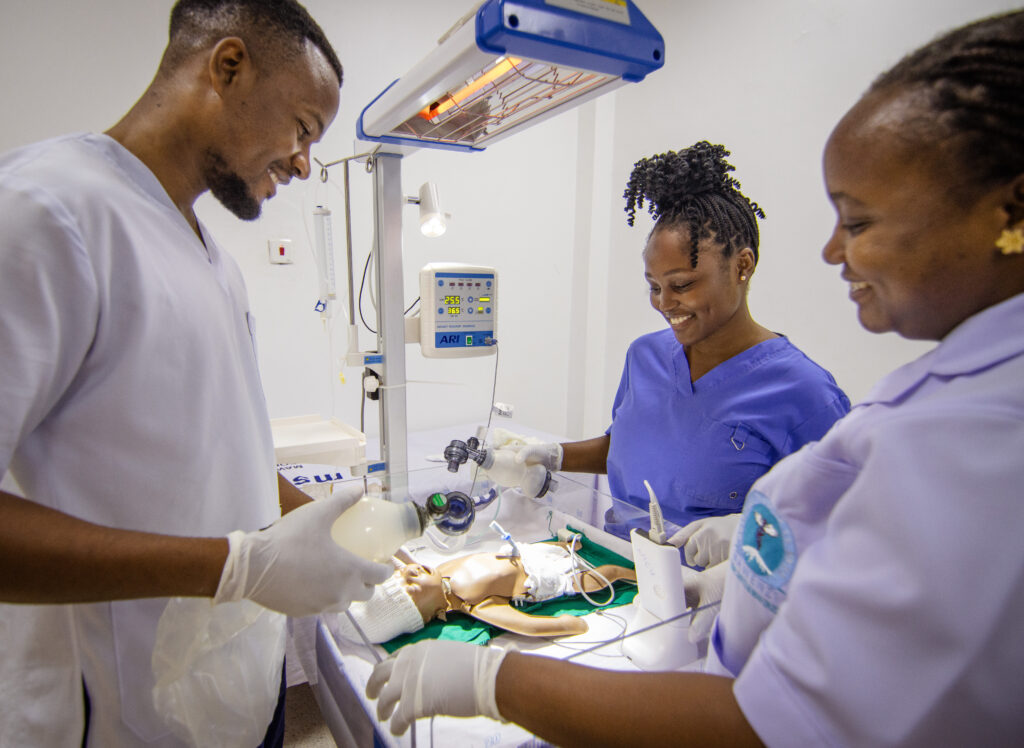
For Dr. Magoma, leadership means making a meaningful dent in the external and systemic challenges that still put mothers and newborns at risk.
“Why would a mother die when she’s bringing life to us?” he asks.
A woman bringing life into the world should be celebrated, he argues, not put at risk by a health system that fails her. Moving Tanzania closer to that reality is, in his view, the whole point of the work, made harder as donor funding shifts and, in places, declines.
He has stayed personally engaged as a pioneering member of Tanzania’s Maternal and Perinatal Death Surveillance and Response (MPDSR) group, having helped draft the country’s first guidelines; the annual reviews still return the same pattern: women reach facilities in time, but a system undermined by a 60-percent workforce gap and weak accountability still fails them. He’s watching AI’s potential in diagnosis with interest, but cautions that pregnancy draws on a woman’s full physical and mental capacity; no machine substitutes for skilled people at her side.
He’s equally insistent that maternal health isn’t a health-sector problem alone. Teenage pregnancy and childhood stunting, for instance, are driven as much by education and nutrition systems as by clinics. He points with pride to EngenderHealth’s recent work integrating comprehensive health education and nutrition into the pre-service curriculum for teachers and health and allied sciences workers, a cross-sectoral win that reduces the need for in-service training by equipping prospective service providers with the required skills and competencies. As Tanzania’s progress draws global attention, he’s careful to frame it as shared: “We are not yet there,” he repeats.
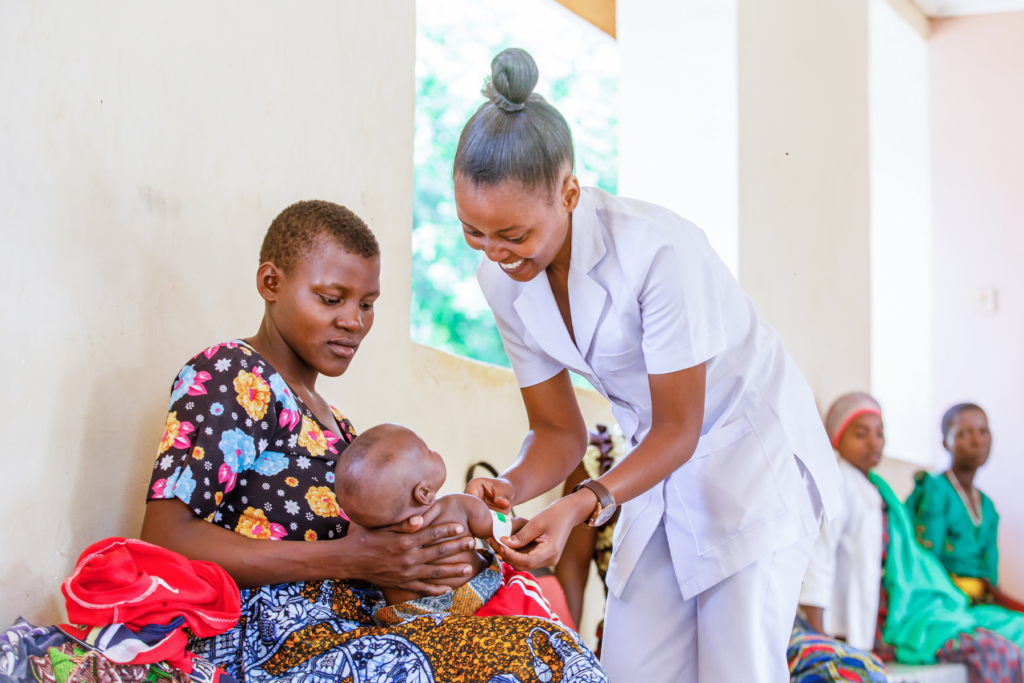
That same practical instinct shapes how he talks about innovation and partnership. Some maternal deaths still trace back to delays in the first decision to seek care, which is why community referral systems like M-mama are essential. Efforts and innovations such as Kangaroo Mother Care, and the steady expansion of emergency obstetric facilities, now within five kilometers of over 90 percent of Tanzanians, matter so much. As projects grow more complex, he sees partnership with local institutions, not parallel systems, as what makes progress sustainable once an external partner moves on.
What Respectful Maternal Care Means
When asked to define respectful, high-quality maternal care, Dr. Magoma returns to familiar principles: client-centered, aligned with local and global standards, delivered with effectiveness, efficiency and equity, recognizing that groups like young people have different needs that service design must deliberately accommodate.
It is, in many ways, the same lesson he learned in a theatre in Ngorongoro decades ago and again at the bedside of a woman who did not survive: competence and compassion have to travel together, so that no mother’s survival depends on luck.
The Future of Maternal Health in Tanzania
Despite the progress Tanzania has made, real challenges remain.
The country continues to face shortages of skilled health workers, while health systems must adapt to changing funding landscapes and growing demand for services. Emerging technologies, including artificial intelligence, offer genuine opportunities to improve diagnosis and clinical decision-making.
For Dr. Magoma, the future of maternal health lies in continuing to strengthen partnerships, integrating services across sectors and building resilient systems that respond to women’s needs throughout their lives, because when governments, communities, health workers, and development partners work together, something remarkable becomes possible: health systems grow stronger, services become more equitable and more mothers return home safely to their families. This, he believes, is the true measure of success.