
One Global Community: What Was Lost in Tanzania After USAID’s Exit and Why Hope Still Remains


For years, EngenderHealth in Tanzania has worked in close partnership with local governments and organizations across the mainland and on the island of Zanzibar to strengthen health systems and ensure access to maternal care, prenatal care, family planning and reproductive health, and delivering high-quality, equitable healthcare.
Over time, a responsive and resilient health system has taken root in Tanzania—one that has been shaped by collaboration among EngenderHealth, government leaders, local communities, and global funding partners. This shared effort has built trust among partners, strengthened health systems, and improved access to life-saving healthcare.
That progress is now under threat.
In early 2025, the abrupt withdrawal of USAID funding disrupted core elements of the wider Tanzanian health system, unraveling structures that had been carefully built and strengthened over decades. Community health outreach efforts to the community have slowed. Coordination between health teams has fractured. Entire health systems were disrupted overnight, leaving health workers and communities without the tools and support they had come to rely on.
“It came as a surprise,” shares one senior program manager. “If we had even a year to prepare, we could have planned an exit. Instead, we were forced into emergency mode.”
Abass: A Legacy at Risk in Zanzibar
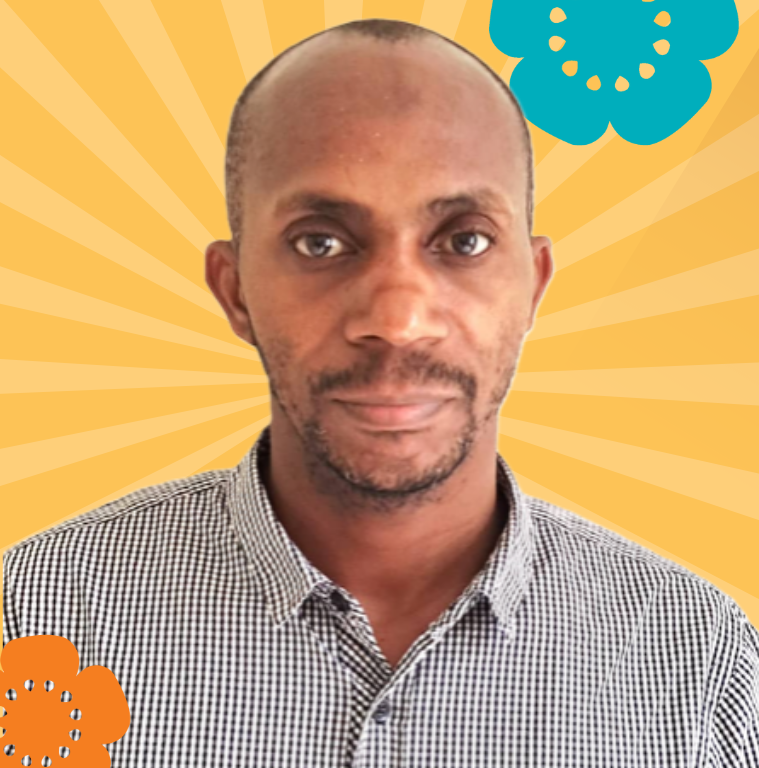
Few know that legacy better than Abass Makame, EngenderHealth’s team lead in Zanzibar. From his years in the Ministry of Health to his leadership today, Abass has seen how USAID helped stitch together the pieces of an entire system.
“It wasn’t just about money,” Abass says. “USAID helped us build a chain of care—between government ministries, local clinics, outreach teams, and NGOs.”
Through coordinated technical working groups, support for maternal and family planning services, and reliable funding for outreach, USAID enabled a level of care that became a backbone for women and families.
“These weren’t isolated programs,” Abass says. “They were connected. USAID made sure the pieces worked together.”
Now, that connection is fading. Outreach teams are not conducting visits. Coordination meetings have stopped. Equipment is aging with no plan for updating. And women in remote areas are losing access to essential services.
“It took decades to build this system,” Abass says. “And it’s vanishing in a matter of months.”
Delphine: Watching the Ripple Effects in Northern Tanzania
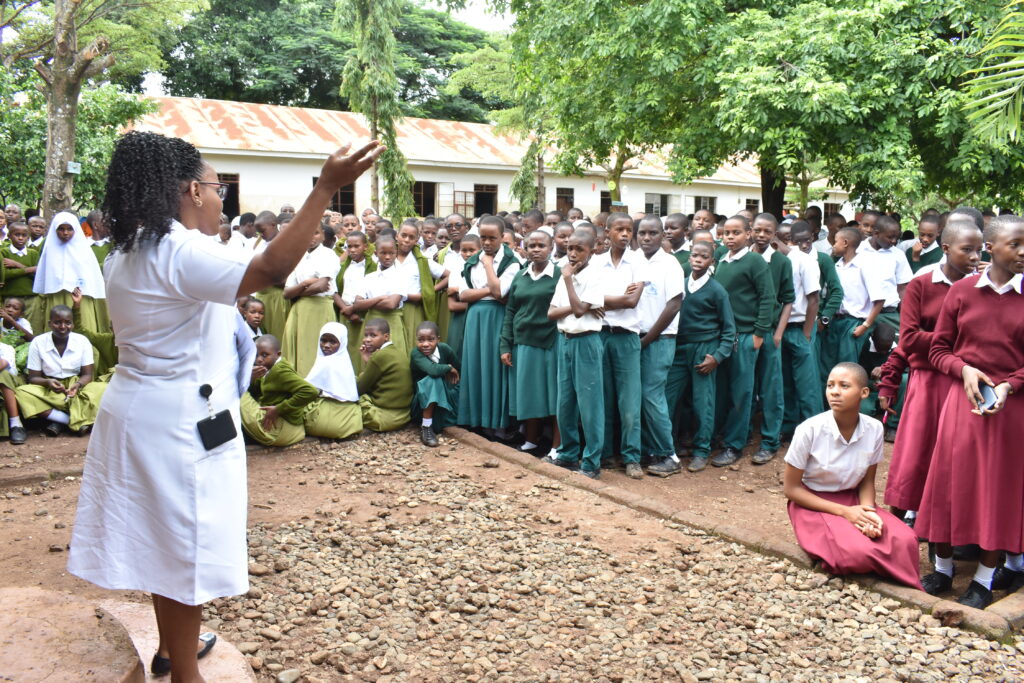
In the country’s north, Delphine Mselle, EngenderHealth’s Regional Coordinator for the Scaling Up Family Planning Project, describes what it feels like to watch the system unravel around her.
“Everything used to connect,” she says. “Now, the pieces that once worked together are suddenly missing.”
Delphine has spent 16 years working across Arusha, Kilimanjaro, and Tanga to build strong referral systems, train health workers, and strengthen reproductive care. Her work continues – but around her, the system is fraying.
Since USAID’s withdrawal, she has watched as partner programs lose funding, clinics run out of contraceptives and testing kits, and community health workers laid off. Supervision and quality control efforts have stalled. And a new generation of health workers is entering the field without the training or support they once had access to.
“It’s like watching a well-functioning machine fall apart piece by piece,” Delphine says.
For rural women, a once-reliable path to care has vanished. Now, some walk for miles in search of help, only to find nothing. Some never reach care at all.
“We have to think of a poor woman suffering in the village,” she says. “She may even bleed out on the way. There are no staff. No safety net.”
The Next Generation Can’t Wait
With more than 60% of the population under 25 years of age, Tanzania stands at a crossroads: what happens now will define the wellbeing of its young people for decades to come. Without access to information and services, young people are left without the tools to build healthy, stable, and prosperous lives.

Proud graduates of an EngenderHealth and JHPIEGO adolescent health initiative in northern Tanzania.
“If they don’t get what they need now, it’s not just their future at risk, it’s the future of the entire country,” explains one staff manager.
Re-engagement with USAID or other donors must go beyond restoring support—it must reflect a true partnership built on respect, shared goals, and a vision for sustainable progress.
“We are part of one global community. Partnership means showing up, not walking away when things get hard,” said one staff member.
Signs of Hope
The Tanzanian government has taken critical steps—like allocating $2.9 million for family planning supplies—but it’s not enough to replace decades of coordinated support.
And yet, communities are stepping up. Health workers are doing more with less. Leaders like Delphine and Abass remain committed to navigating the health system from within.
“We understand that no donor is obligated to stay forever,” said one program manager. “But we are one global community. And in a global community, we support one another. We carry each other’s hands. That’s what partnership means.”
Moving Forward Together
Despite the setbacks, there are still reasons for hope. Communities are stepping up to support one another. Local governments are working creatively to make the most of their limited resources. And health workers—despite fewer staff and resources—continue to do all they can with what little they have.
“Let’s not lose hope. Let’s keep speaking up for those who don’t have a voice. Let’s keep our hands open to each other.”
At EngenderHealth, we’ve seen what works—especially in Tanzania. For decades, USAID had invested in building strong, coordinated health systems that saved lives and earned the trust of millions. That legacy matters. And while the withdrawal has left a deep void, it has also revealed just how interconnected these systems are and how much is at stake when they disappear.
Now is the time to act.
Stand with Tanzania to protect decades of progress. Your support can help invest in long-standing and robust health systems, support trained health providers, and ensure women and families can access the care they need and deserve.