
Maternal and Newborn Health: We Know What Saves Lives. Now We Have to Deliver It.


By Grace Miheso, EngenderHealth – Project Director, Kenya
We know how to make pregnancy and childbirth safe. Yet for millions of people around the world, that care remains out of reach, and the consequences are life-threatening.
At this year’s International Maternal and Newborn Health Conference (IMNHC) in Nairobi, Kenya, the conversation focused less on new ideas and more on a harder question: how do we deliver what already works in ways that are consistent, trusted, and built to last?
With more than 1,800 participants from 87 countries, the conference brought together governments, providers, researchers, and partners to examine where progress is happening for mothers and their babies, and where it is not. What emerged was not a call for entirely new solutions, but a sharper focus on strengthening how care is delivered within national health systems.
For EngenderHealth, we saw these larger conversations as a reaffirmation of how we work and where we are going next.
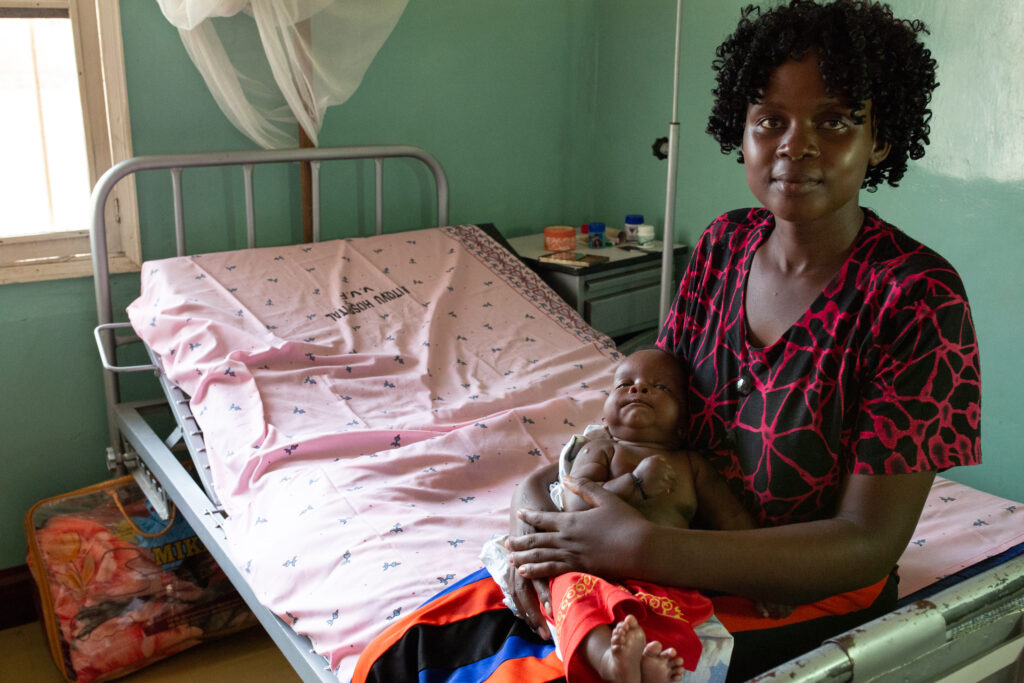
Turning Evidence into Real-World Impact
There is no shortage of global guidance on maternal and newborn health. The evidence is strong, and the pathways to reducing preventable deaths are well understood.
But evidence alone does not change outcomes.
Throughout conference sessions, speakers emphasized the importance of designing solutions that reflect their local realities. That includes aligning with national priorities, working within primary healthcare systems, and building approaches alongside providers and communities. It also means adapting global recommendations so that they are practical, feasible, and sustainable in context.
EngenderHealth has long focused on this critical step between evidence and implementation. We partner with governments and local organizations to translate what works into practice, strengthening health systems so that services are not only available, but accessible, reliable, and sustained over time.
Quality Care is What Saves Lives
Expanding access remains essential, but we also know that access alone does not save lives.
The quality of care, how services are delivered, how providers engage with patients, and how systems respond when complications arise are what ultimately shape outcomes in maternal and newborn health.
Across the conference, there was a strong emphasis on respectful maternity care, quality pregnancy care, safe obstetric surgery, continuous quality improvement, and integrating AI innovations into point of care. There was also a clear shift toward organizing services in ways that reflect how people experience care, strengthening referral systems, ensuring continuity from pregnancy through the postnatal period, and using data to guide decisions in real time.
These are not abstract priorities. They are the difference between care that exists and care that works and can be sustained.
EngenderHealth’s maternal and newborn health programs are built around this understanding, focusing on strengthening both the systems and the day-to-day delivery of care.
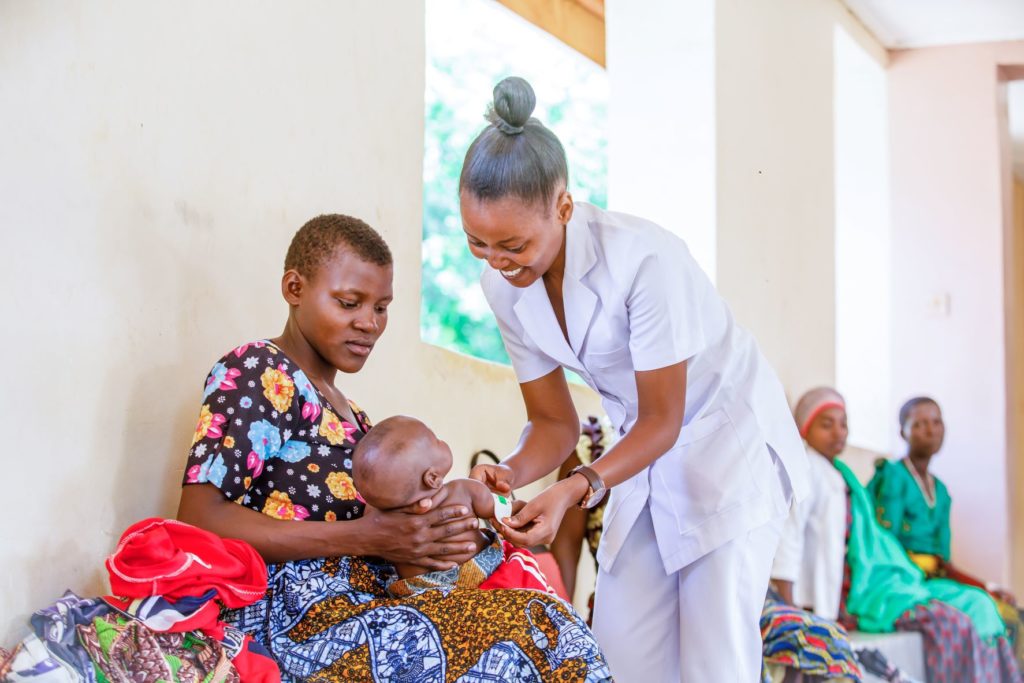
The Health Workforce Makes Quality Care Possible
Health systems depend on the people who deliver care every day.
Conference speakers reinforced the importance of investing in the health workforce through continuous training, mentorship, and midwifery-led models of care. Task sharing is expanding access, while stronger connections between facilities and community health workers are helping ensure people receive care earlier and more consistently.
At the same time, there is growing recognition that skills alone are not enough. Providers need supportive environments, clear pathways for growth, and systems that enable them to deliver care with confidence.
This is already central to EngenderHealth’s approach. We invest in providers, and in the systems that support them, because both are necessary to reach people in time and with the high-quality care that they deserve.
Integrating Services to Improve Outcomes
One of the clearest challenges raised at the conference was fragmentation.
Maternal and newborn health services are often delivered separately from other sexual and reproductive health services, even though people experience them as part of the same journey.
There is strong evidence that integrating these services leads to better outcomes. Expanding access to contraceptive care helps prevent unintended pregnancies and reduces maternal and newborn deaths. Digital tools can support earlier care-seeking and continuity. And, community engagement strengthens trust and increases service use.
When these elements are connected, care becomes more responsive, more efficient, and more effective.
EngenderHealth is well-positioned to support this shift toward integration. Our work spans contraceptive care, maternal and newborn health, and broader health system strengthening, and we seek opportunities to collaborate across sectors to have the largest impact. The task ahead is to deepen those connections and help partners deliver care that reflects how people live and access services in their everyday lives.
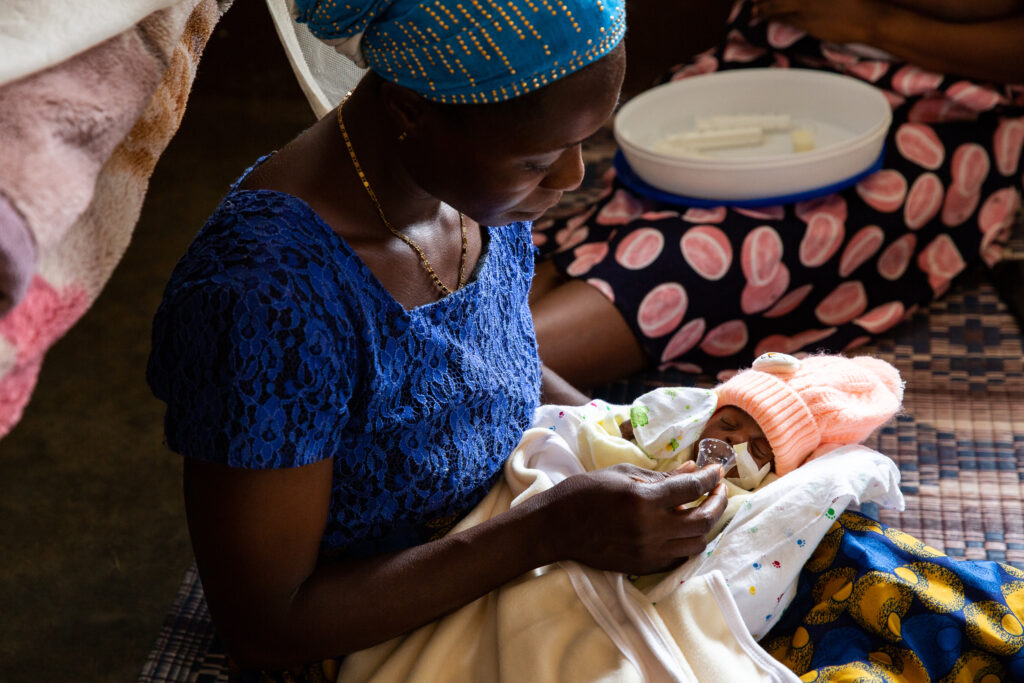
Delivering What Works, at Scale
We recall that the conversations at the conference did not point to a need for reinvention; they pointed to a need for focus.
Countries are working within constrained resources and increasing pressure to deliver results. In that context, progress will come from strengthening what already works, improving how it is delivered, and ensuring it reaches more people consistently.
Many of the approaches discussed can be integrated into existing programs with relatively modest investment. That creates a clear opportunity to accelerate impact without starting over.
For EngenderHealth, the path forward is grounded in action. It means strengthening health systems, supporting governments to scale proven solutions, and ensuring those solutions reach people when and where they are needed.
Because we already know what saves lives. What matters now is making sure that care reaches every person who needs it.
Explore how EngenderHealth is turning evidence into action and expanding access to care in our latest Annual Report.