


resource
Global Reach
Ethiopia
Ethiopia is a country in the Horn of Africa and has the second-largest population on the continent, with an estimated population of 117.9 million.
The modern contraceptive prevalence rate for all women ages 15 to 49 is 39.5%. The maternal mortality ratio is 267 deaths per 100,000 live births. An estimated 4.5 million (22%) women of reproductive age have an unmet need for modern contraception, which also varies across regions. And, of women aged 15 to 49, 26.3% have experienced physical or sexual violence.


Our Work in Ethiopia
EngenderHealth has worked in partnership with the Ethiopian government for over 30 years to enable millions of Ethiopians to take charge of their sexual and reproductive health and rights (SRHR). Our programming responds to priority health needs by promoting high-quality integrated sexual and reproductive health (SRH) and maternal health services; strengthening health systems; preventing HIV among vulnerable populations; promoting SRHR education; and mobilizing communities to prevent and respond to sexual and gender-based violence (SGBV). With a central office in Addis Ababa, as well as satellite offices throughout the country, we work in 440 woredas across 6 regions and 1 city administration.
Further, EngenderHealth’s Men As Partners (MAP) methodology, introduced to Ethiopia in 2007, demonstrated significant reductions in reported SGBV and is an important element of EngenderHealth’s gender-transformative programming globally.
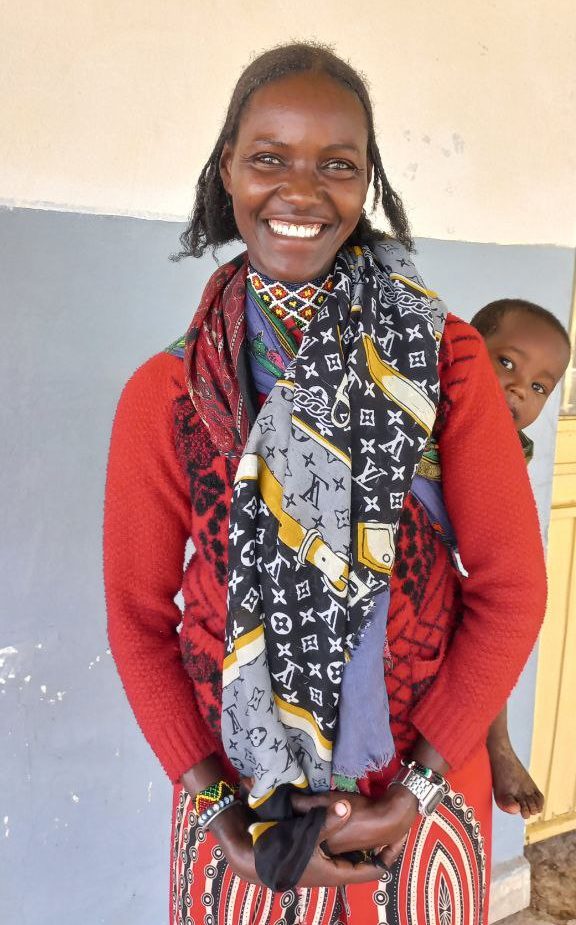
A Rights-Based Approach for Enhancing SRHR & Responding to GBV project, funded by Swedish International Development Cooperation Agency (SIDA), will be implemented across 157 districts in Ethiopia’s two regions (Amhara and Somali) and one city administration (Addis Ababa). The project expands on its pilot phase successes to empower women and young people to participate equally in society and realize their sexual and reproductive health (SRH) rights—including the rights to decide if, when, and how many children to have; access accurate SRH information and high-quality services; and live free from violence and coercion. Using a multi-sectoral approach, the project will strengthen existing systems to deliver gender- and youth-responsive sexual and reproductive health services including contraception, safe abortion, and GBV care and support across all implementation regions in selected schools, health facilities (including one-stop centers), and community level. The project is implemented in partnership with Ethiopian Women Lawyers’ Association (EWLA) and a youth-led organization (TBD).
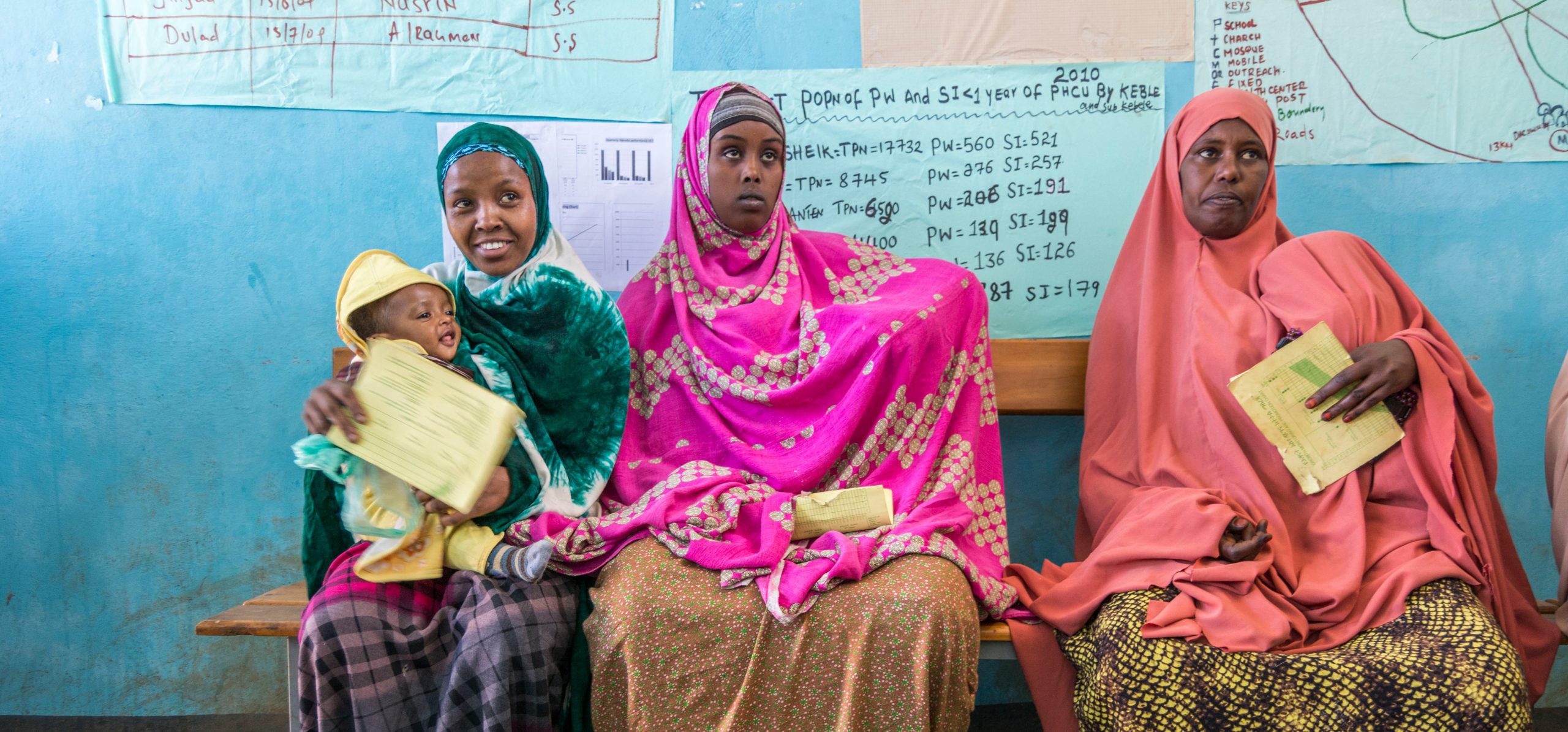
Funded by an anonymous donor through the Project Resource Optimization (PRO) Initiative, the Strengthening Essential RMNCH-N Services for Pastoral Communities in Ethiopia project will expand access to essential reproductive, maternal, newborn, child health, and nutrition services across 16 districts in the Afar and Somali regions. Working with the Ministry of Health, Regional Health Bureaus, and district health authorities, the project will support 166 public health facilities and eight Mobile Health and Nutrition Teams to reach more than 558,000 people with lifesaving care, including maternal and newborn health, immunization, nutrition, and family planning services.
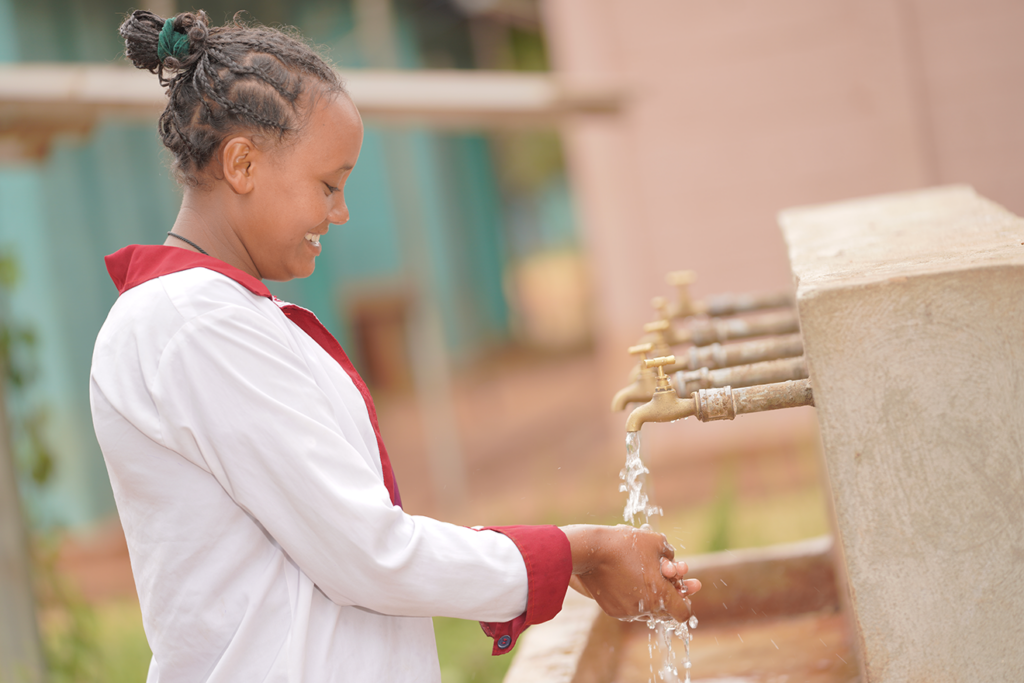
Funded by the Embassy of the Kingdom of the Netherlands, The Reach, Expand, and Access Community Health (REACH) program will be implemented in Borena and Jimma Zones in 33 districts and 5 towns. The project aims to ensure access to information and services for integrated Sexual and Reproductive Health and Rights, Menstrual Hygiene Management (MHM), and Water, Sanitation, and Hygiene (WaSH) services for women and young people. Through the REACH program, EngenderHealth leverages the experience of consortium partners and the resources provided by the program donor to implement holistic, integrated, and sustainable interventions and services for SRHR, WaSH, and MHM. Through program initiatives, we are addressing barriers to services faced by women and young people in underserved populations and foster an environment where they can access high-quality care. This project is implemented in consortium partnership with Amref Health Africa.
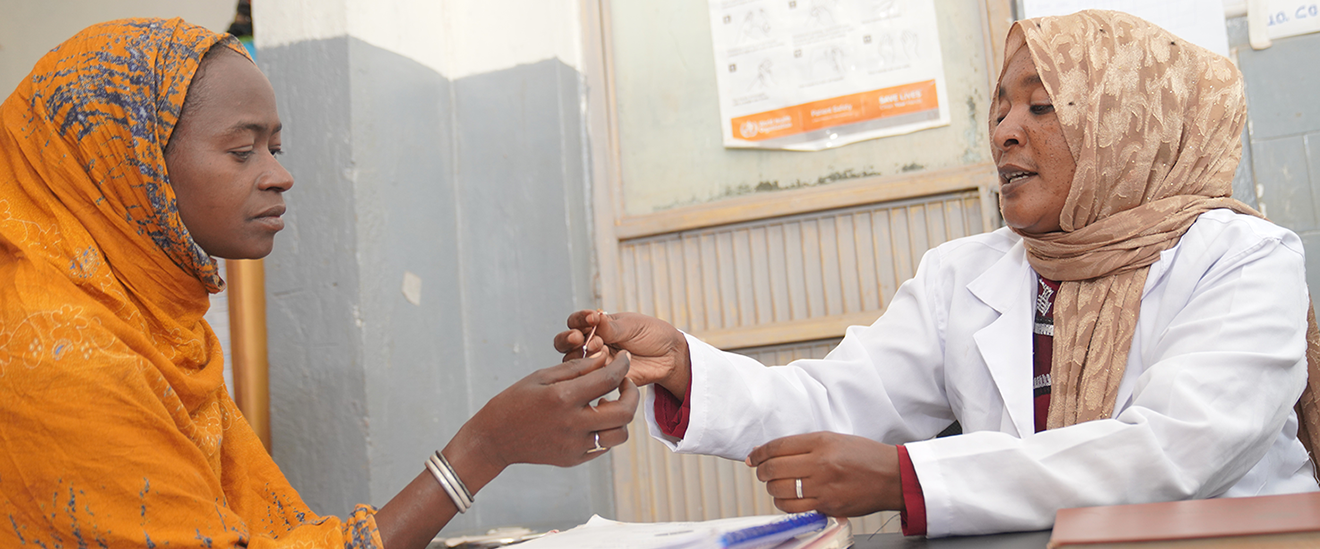
Funded by Gates Foundation, the Integrated RMNCH + PPFP Scale-Up project will be implemented in 5 regions (Oromia, Amhara, Sidama, Southern Ethiopia and Central Ethiopia) and one city administration, Addis Ababa. The project aims to contribute to the reduction of maternal and newborn morbidity and mortality in Ethiopia through increased uptake of voluntary family planning and selected RMNCH services in high impact areas through high-impact, cost-effective interventions. The project will be implemented in partnership with three local health professional associations, The Ethiopian Midwives Association (EMwA), Ethiopian Society of Obstetricians and Gynecologists (ESOG), Ethiopian Pediatrics Society (EPS) and St. Paul’s Hospital Millennium Medical College (SPHMMC) as sustainability partners.
EngenderHealth’s Previous Work in Ethiopia
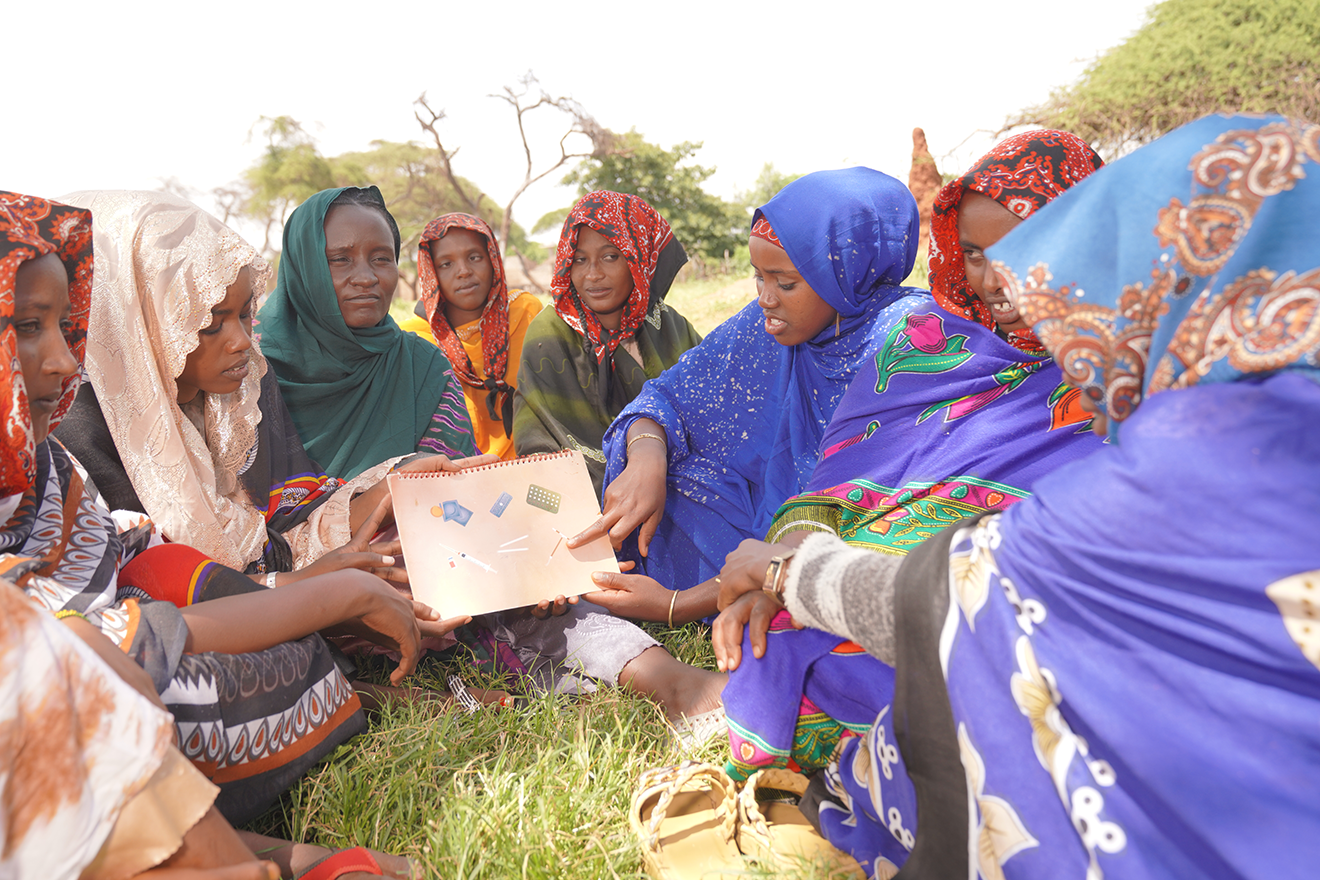
The Strengthening Service Delivery project in Ethiopia, funded by the Gates Foundation and led by JSI, worked across seven regions: Central Ethiopia, Oromia, South Ethiopia, Afar, Sidama, Southwest Ethiopia, and Somali. The project aimed to improve access to quality family planning; maternal, newborn, and child health; nutrition; and immunization services by addressing gaps in healthcare worker competency, service delivery, and the availability of essential supplies and commodities.
EngenderHealth implemented the project as part of a consortium that included the Ethiopian Midwives Association, Family Guidance Association of Ethiopia, inSupply Health, ThinkPlace, universities, and local development associations.
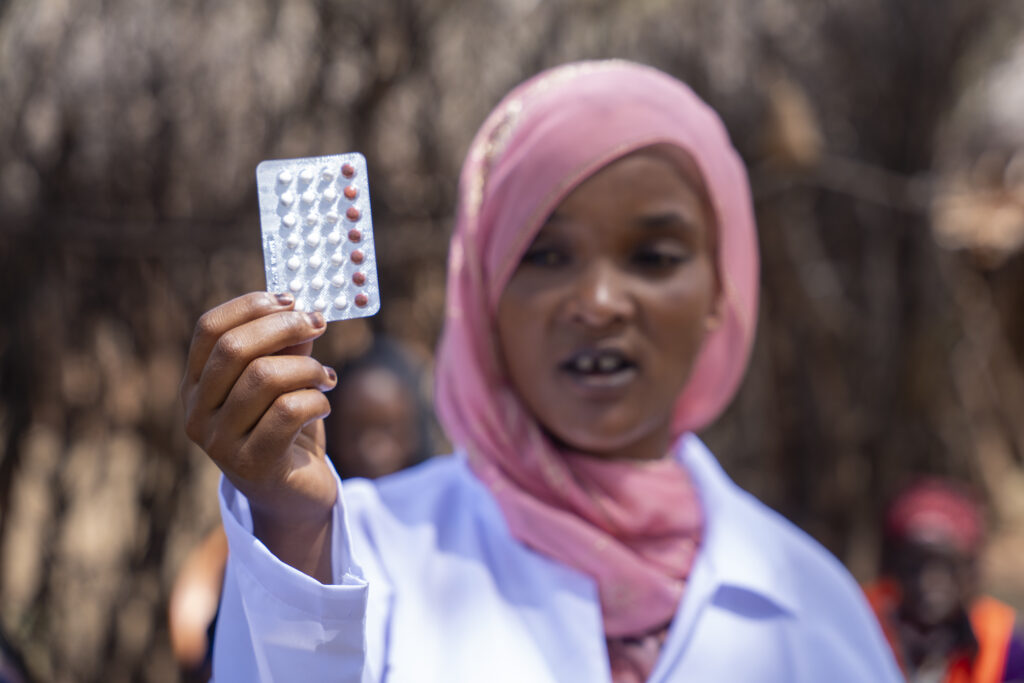
EngenderHealth and consortium partners Amref Health Africa, Philips Health Africa, and Triggerise also improved the SRH status of young people—particularly pastoralists— through the A’Ago program. The program began in Afar in 2017, with funding from the Ministry of Foreign Affairs of the Netherlands, and expanded to include increasing access to comprehensive abortion care and postabortion family planning (FP) in Amhara, Oromia, and SNNPR (Southern Nations, Nationalities, and People’s Region). To increase access to high-quality SRH services, we provided training on pharmaceutical logistics systems and basic comprehensive contraception. We integrated gender sensitization to ensure health facility staff provide unbiased information and services and used community-based activities to strengthen meaningful youth participation and address gender-based barriers.
Through our ABRI program, we worked with the Ministry of Health to reduce maternal mortality and morbidity by increasing contraceptive use and providing other SRH services. ABRI established strong foundations for the country’s SRH services by strengthening the linkages between communities and facilities for service referrals; providing targeted assistance for low-performing facilities; enhancing provider counseling and clinical skills; improving the integration of FP, maternal and child health, and HIV services; and increasing the government’s leadership, and ownership of SRH programs. Through ABRI, the number of facilities providing FP increased more than ten-fold, bringing life-enhancing SRH services closer to women in remote rural villages.

EngenderHealth’s SRHR Response for for Internally Displaced Persons (IDPs) program in the Somali region aimed to improve the accessibility and availability of high-quality SRHR information and services for underserved populations. With funding from the David and Lucile Packard Foundation, we worked within existing structures, including government and partner systems, to create urgency around the SRH needs of IDPs, particularly girls and women. We adapted and implemented a model of gender-equitable SRHR programming and service delivery that enables IDPs to access a continuum of care for comprehensive SRHR, including particularly contraception, safe abortion care, maternal care, and prevention and clinical management of SGBV.
Through the Family Planning Integration in Ethiopia’s Primary Healthcare System (PHC) program, EngenderHealth collaborated with the Ethiopian Ministry of Health to improve and strengthen the integration of FP services across Ethiopia’s PHC service delivery. Through this program, we supported the government’s efforts by undertaking a comprehensive national FP integration assessment and carrying out implementation research to generate learning on how to effectively integrate postpartum FP and postabortion family planning FP into existing health services. EngenderHealth applied the results of the assessment and research to develop an FP Integration Intervention Package designed to support the full integration of FP into the primary healthcare system by providing key recommendations, guidance, and tools with a focus on addressing sociocultural barriers to FP care and integration.
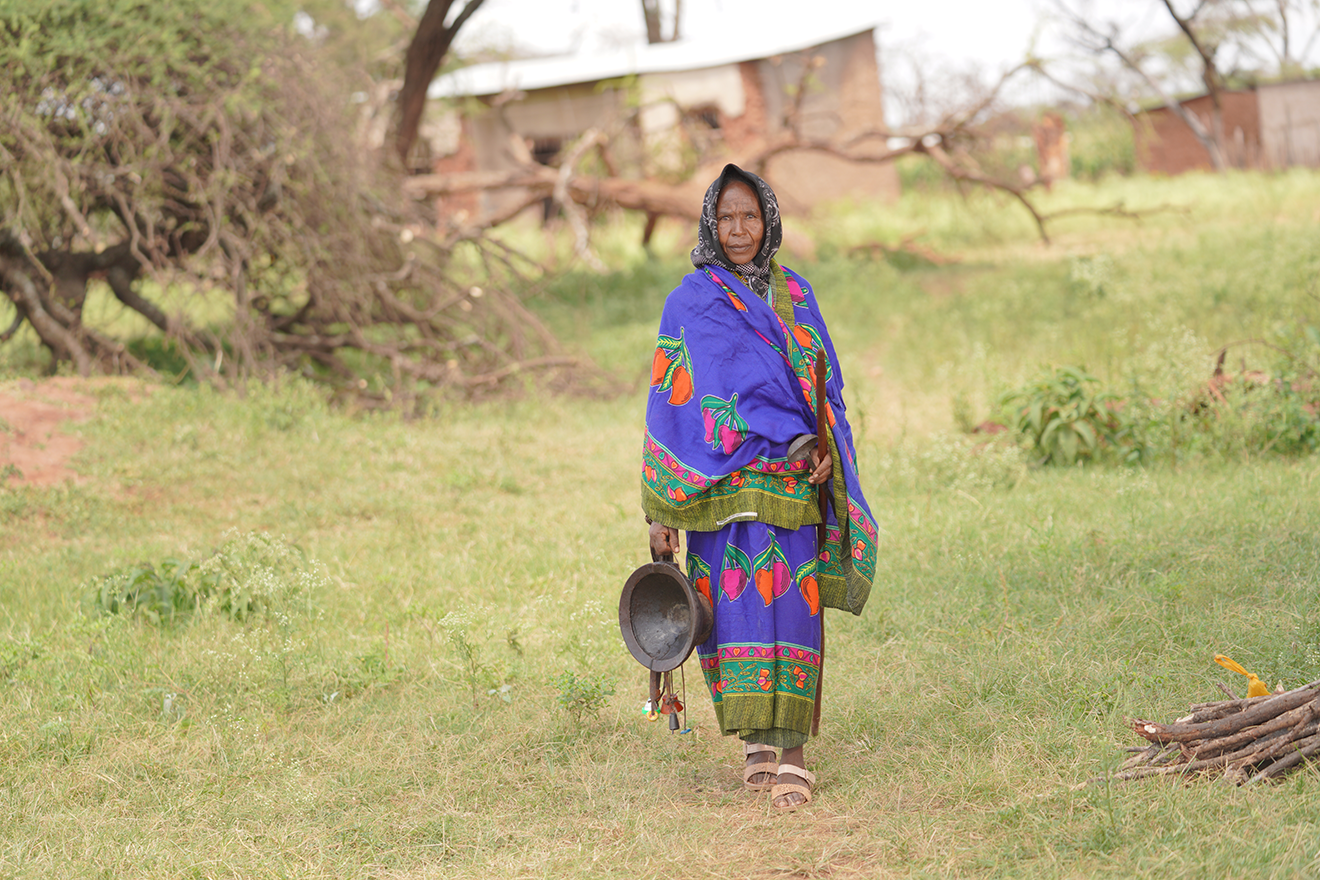
With funding from USAID, the Lowlands Health Activity (LHA) worked to improve reproductive, maternal, newborn, child, and adolescent health and nutrition (RMNCAH-N) in 35 woredas (districts) in the Afar, Somali, South Ethiopia, and Oromia regions in Ethiopia. This holistic primary health care program was rooted in local partnerships and underpinned by an innovative, data-driven, and people-centered strategy and a commitment to adaptive learning and management. LHA aimed to build on existing policies, investments, and platforms to deliver a range of tailored, high-quality RMNCAH-N interventions that were informed by high-impact practices at the individual, family, community, system, and policy levels. This project was terminated early, during the global dismantling of USAID-funded initiatives in 2025.
With funding from UNICEF, the Provision of Life-Saving Protection and Gender-Based Violence Assistance program addressed the emergency humanitarian needs, including access to gender-based violence services, of conflict-affected internally displaced persons, returnees, and host communities in two districts of the Afar region of Ethiopia.
The Destigmatizing Safe Abortion Care Among Health Professionals in Ethiopia project addressed healthcare provider bias, a barrier to safe abortion care access, in Ethiopia. It supported youth- and women-led organizations, professional associations, and health professionals in their work to counter the anti-choice movement. The David and Lucile Packard Foundation funded this project.
To see all of our projects in Ethiopia, visit our Programs page (scroll down to the Current Programs and Past Programs sections).
Related Resources
Resources

Resources


