
Lives Saved, Futures Secured: The Global Progress We Cannot Afford to Lose


Across the world, countries have achieved remarkable gains in reproductive healthcare—expanding contraceptive options, dramatically reducing maternal deaths, and building stronger, more resilient health systems that protect people’s health, rights, and futures. These are hard-won victories we cannot afford to lose.
Global maternal mortality has fallen by nearly 60% since 1985—meaning hundreds of thousands more mothers survive pregnancy and childbirth each year today than a generation ago. The maternal mortality ratio has declined significantly, from ~328 deaths per 100,000 births in 2000 to ~197 in 2023. And, expanded access to modern contraception prevented 77,400 maternal deaths in 2023 alone.
These numbers represent women who survived childbirth, parents who returned home safely, and children who grew up with mothers by their side. They speak to futures preserved and communities strengthened. Each life saved is a victory for dignity, equity, and hope.
But today, this progress faces new threats.
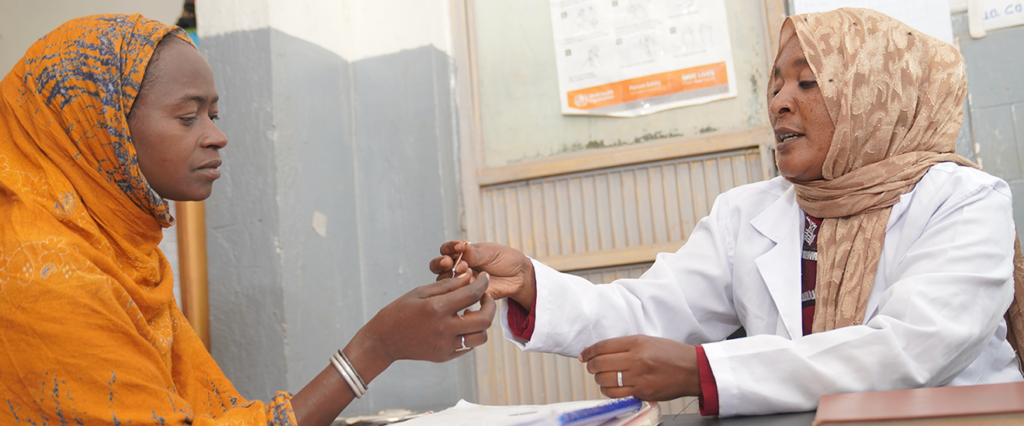
Essential Reproductive Healthcare Saves Lives and Must Be Protected
Major changes in U.S. global health funding are underway. Under the U.S. “America First Global Health Strategy,” support is shifting away from NGOs and international agencies toward direct government-to-government agreements.
While strengthening national ownership can be valuable, these forthcoming agreements are expected to impose restrictions on what reproductive health information and services providers can legally deliver—putting essential care out of reach for many and jeopardizing progress communities have fought to achieve.
Past implementation of similar restrictions shows the consequences clearly. Providers become uncertain about what information they are allowed to share. Community outreach declines. Evidence-based counseling is interrupted. Clinicians report fear and hesitation when offering services they are fully trained and mandated to provide.
Dr. Moke Magoma, EngenderHealth’s Country Representative in Tanzania, warns:
“In countries where similar agreements have been implemented, confusion among service providers, reductions in public health education, and fear among doctors to provide full services have been reported.”
These are not hypothetical risks: they are documented, predictable, and preventable.
Decades of Progress in Maternal and Contraceptive Care are Now at Risk
Globally, countries have invested in expanding voluntary contraceptive access, strengthening emergency obstetric care, improving community outreach, and widening access to safe abortion and postabortion care. These advances have saved lives and given people greater power to shape their own futures with confidence and dignity.
But this progress is fragile. It depends on sustained financing, evidence-driven policies, and providers who can counsel and care without fear of reprisal. It requires health systems that are trusted, well-resourced, and free from restrictive political interference. When those foundations are destabilized, decades of progress can unravel quickly—especially in rural and underserved areas where access is already limited.
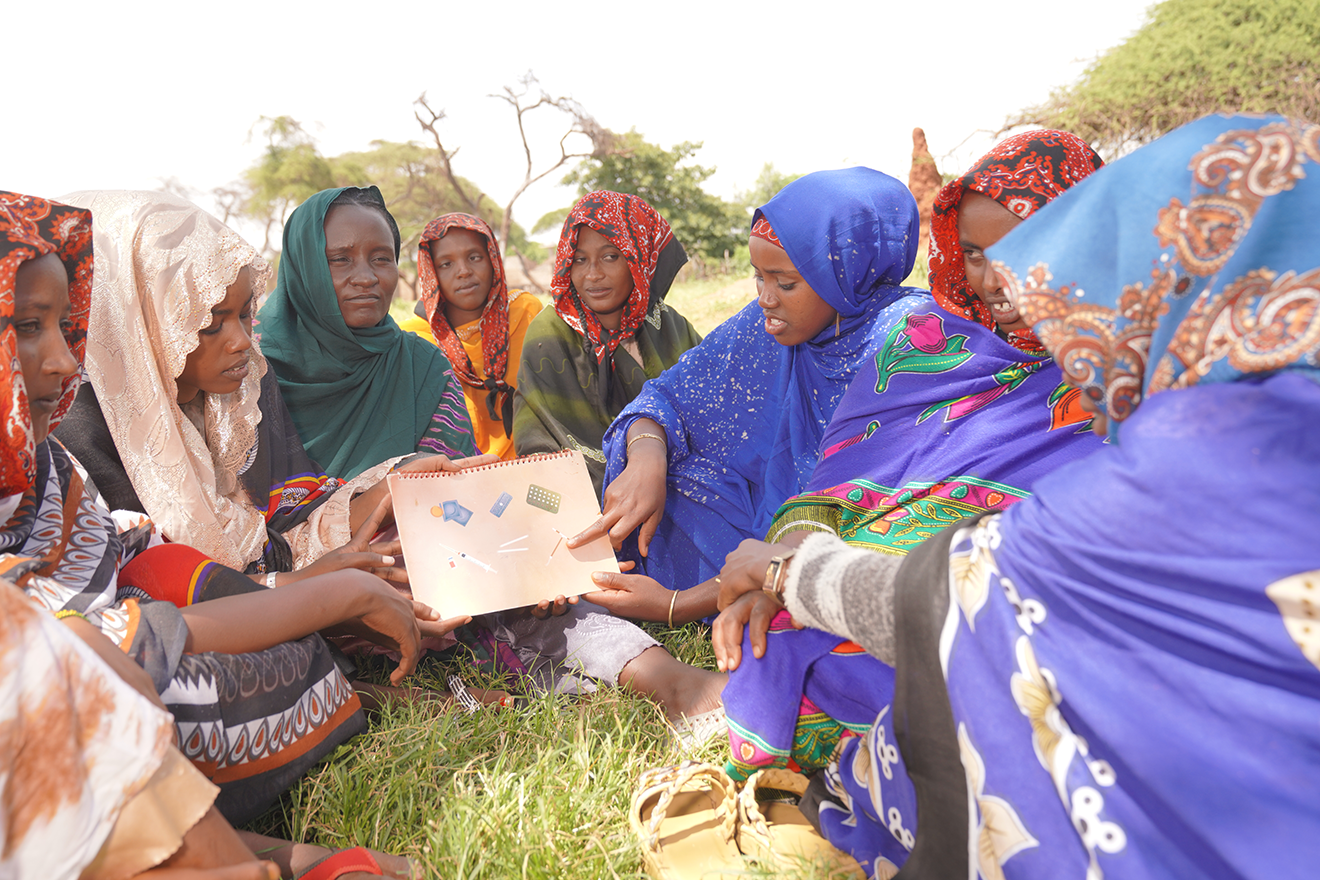
Contraceptive Care Saves Lives—and Strengthens Every Level of Healthcare
Contraceptive care is foundational to sexual and reproductive health and rights. It ensures that people can decide whether, when, and how to have children—free from pressure, stigma, or misinformation. Yet, more than 160 million women and girls still want to avoid pregnancy but lack access to modern contraception.
When contraceptive care is unavailable, unintended pregnancies rise, unsafe abortion increases, and maternal deaths follow. But when people have access to reliable, high-quality contraceptive care, families can plan their futures with confidence, adolescents stay in school, communities prosper, and health systems are strengthened at every level.
“Contraceptive care is about choices, not prescriptions. Our role is to listen, support, and ensure everyone has access to what’s right for them.” — Kabiru Atta, EngenderHealth, Country Director, Nigeria
Comprehensive Abortion Care is Lifesaving Healthcare
More than 35 million unsafe abortions occur each year worldwide. These unsafe procedures are a leading cause of maternal death. Comprehensive abortion care (CAC), including safe abortion and postabortion care, is essential to save lives.
We know that restrictions do not reduce the need for abortion; they only drive people toward unsafe methods.
When people can access accurate information, compassionate counseling, and skilled providers, complications decline and lives are saved.
“In every community I’ve worked in, I’ve seen how access to safe, respectful abortion care changes lives. It’s not just a health service—it’s a matter of equity, autonomy, and justice.” — Meskerem Setegne, Project Director, Ethiopia
EngenderHealth works globally to expand access to comprehensive abortion care because every person deserves safe, dignified, and rights-affirming care.
What Happens When Reproductive Healthcare is Restricted
Restrictions like what is being proposed by the current administration have predictable and devastating consequences:
- Unintended pregnancies rise when people cannot access reliable contraception.
- Unsafe abortions increase when safe, legal care is restricted or stigmatized.
- Postabortion complications go untreated when providers fear offering services they are trained to provide.
- Maternal deaths climb, especially among women in rural and underserved areas.
- Health systems weaken as counseling, outreach, and referrals break down under confusion and fear.
These harms are preventable—but only if we protect the progress that has saved countless women’s lives.

What EngenderHealth Does to Protect Progress
EngenderHealth strengthens health systems from the inside out. Our teams work together with ministries of health, community leaders, and healthcare providers to ensure that high-quality, rights-affirming reproductive healthcare is accessible to all.
Across the world, we expand contraceptive options and counseling; train and mentor providers in evidence-based, person-centered care; improve emergency obstetric and postabortion services; and support governments to develop and implement rights-based policies.
We also work closely with communities to advance gender equality, challenge stigma, and ensure that adolescents, women, and marginalized groups can access care safely, confidently, and with dignity. Every year, our programs help millions of people access reproductive healthcare—care that saves lives and strengthens futures.
Protecting Healthcare, Protecting Futures
The world knows what works. Maternal deaths decline when care is accessible. Families remain whole when providers can practice without fear. Communities thrive when reproductive healthcare is treated as essential, not optional. And health systems grow stronger when grounded in rights, science, and trust.
EngenderHealth works every day to protect these gains. We partner with governments, support health workers, and expand access to the full spectrum of reproductive healthcare—including contraceptive care and comprehensive abortion care.
“Progress has saved lives. Protecting it will save generations.” — Robyn Sneeringer, EngenderHealth’s Managing Director, Strategic Growth and Engagement
Stand Up for Reproductive Health
If you believe no one should die from pregnancy, childbirth, or lack of information—and if you believe every person deserves the power to shape their own future—join us in taking a stand.
Together, we can ensure progress moves forward, not backward, for women and girls everywhere.