
EngenderHealth Newsletter | June 2026: What Safer Birth Takes


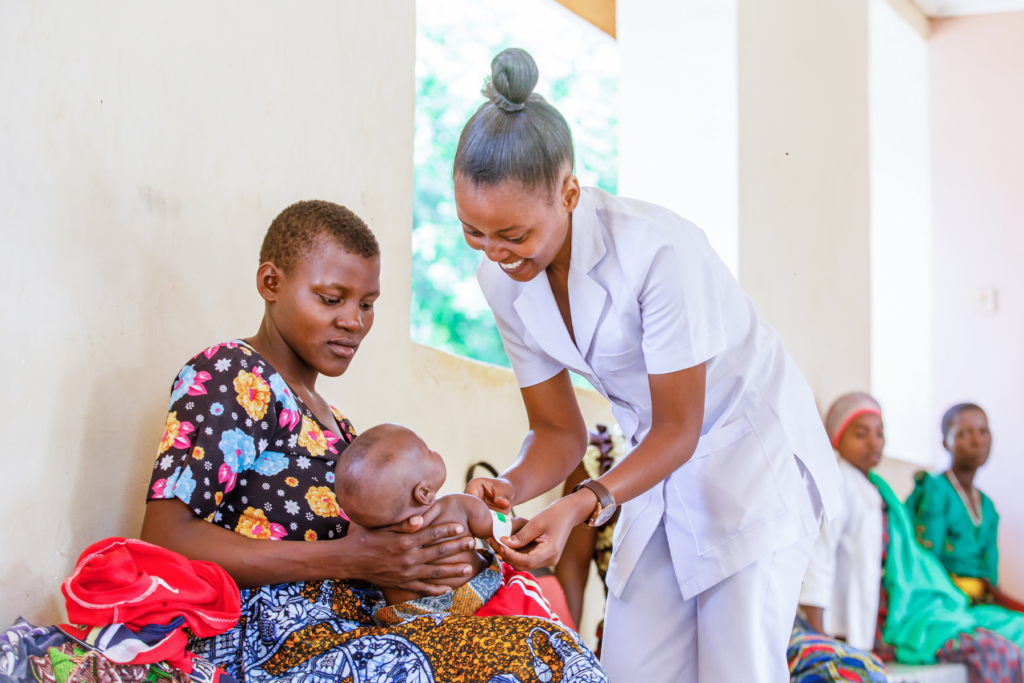
Safer birth starts long before labor begins.
In a new interview, EngenderHealth’s Dr. Anna Temba reflects on what it takes to help more women and newborns survive and thrive.
Drawing from her clinical and public health experience in Tanzania, Dr. Anna points to care that reaches far beyond the delivery room: stronger referral systems, skilled and supported providers, contraceptive care, community support, and smarter use of technology, including AI, to help identify risks and improve care before, during, and long after childbirth.

Sexual and reproductive health is shaped by many things: timely care, trusted providers, accurate information, high-quality health facilities, and the freedom to make informed decisions. This month’s stories show how EngenderHealth and our partners are helping more people access the care and support they need.
New Video: Expanding Contraceptive Choice in Nigeria
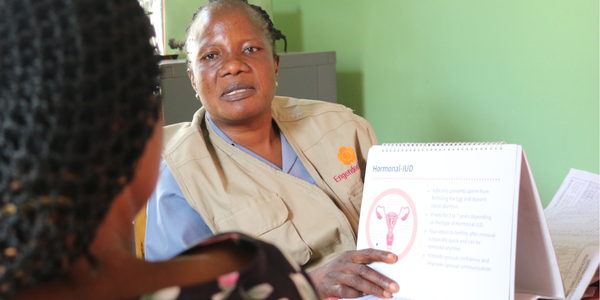
Hear from health leaders, providers, and clients about how stronger training and facility support are helping make hormonal IUD services more available in Nigeria.
Clean Water, Safer Reproductive Healthcare
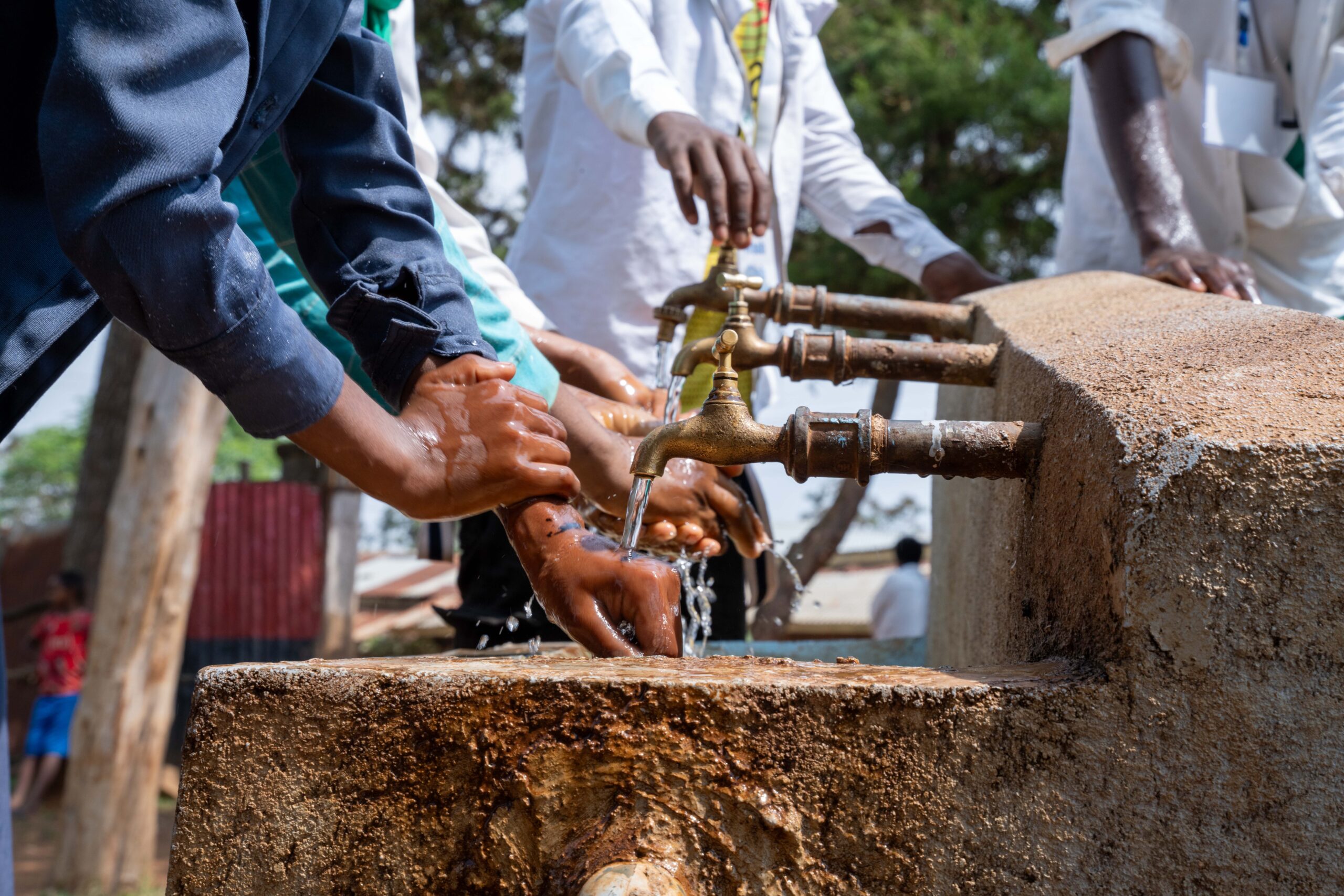
What can clean water make possible? At a rural health post in Ethiopia, reliable water helps providers prevent infections, offer safer care, and expand access to sexual and reproductive healthcare close to home.
Double Your Impact for Maternal Health
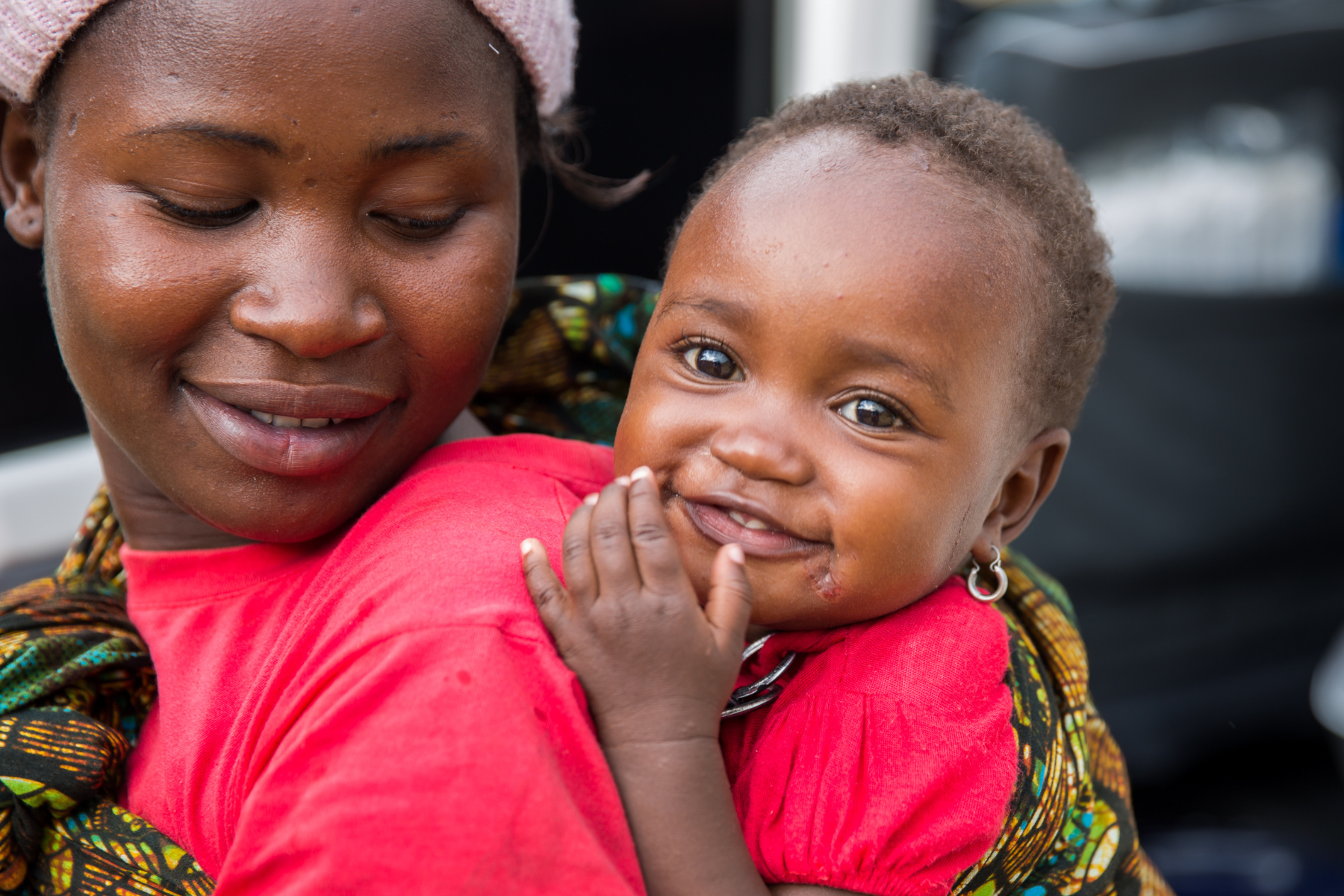
When women can access quality care before, during, and after childbirth, safer futures become possible. Until June 30, your support will be matched dollar for dollar to help more mothers and newborns access lifesaving care.
Want to meet more people, communities, and partnerships driving lasting change? Visit EngenderHealth’s impact stories library…

Here are a few resources shaping conversations on health, rights, and gender equality:
- Nutrition is not gender-neutral: In a new article, Dr. Ajay Khera, EngenderHealth’s Country Representative in India, connects hidden hunger to gender, power, and access, including norms that mean many women and girls eat last, eat less, and miss out on the nutrients they need to thrive.
- Rethinking laws on child marriage: New human rights guidance explores why laws and policies must be grounded in evidence and adolescent girls’ lived realities, not one-size-fits-all approaches that can create new harms.
- The fate of USAID-purchased contraceptives: New reports show what happened to millions of dollars’ worth of contraceptives originally intended for low-income countries in Africa, including supplies that have expired in storage.

Thank you for being part of this work. Your voice, attention, and support help keep sexual and reproductive health and rights moving forward around the world.
Donate today | Follow us on Facebook | Read our newsletter archive
We’d love to hear from you about what you want to see in future newsletters. Contact us at social@engenderhealth.org.
This email was originally shared over email on June 25, 2026.
Enjoyed this update?
Join our community of readers who care about creating a healthier, more just world. Subscribe to our newsletter today!