
Beyond the Delivery Room: Rethinking Maternal and Newborn Health in Tanzania


“You can imagine a woman walking into a health facility to bring life into the world and then ending up dying herself.
That’s something we should never normalize.”
— Dr. Anna Temba, Deputy Country Director and Technical Director, EngenderHealth Tanzania
Maternal and newborn health in Tanzania has improved significantly over the years, but progress alone is not enough. Behind national statistics are still persistent gaps in quality of care, provider support, women’s empowerment, and access to services that continue to shape outcomes for women and newborns across the country.
In a wide-ranging conversation on maternal and newborn health, Dr. Anna Temba, Deputy Country Director and Technical Director, EngenderHealth Tanzania, reflected on the experiences that shaped her career, the challenges still facing Tanzania’s health system, and why the future of maternal health requires far more than clinical care alone.
A Career Shaped by the Realities of Overstretched Health Systems

Dr. Anna Temba, Deputy Country Director and Technical Director for EngenderHealth Tanzania
Before moving into public health and development programming, Dr. Anna worked in clinical settings, including at Temeke Hospital in Dar es Salaam, where she witnessed firsthand the realities of overcrowded maternity wards and overstretched healthcare providers.
“At the time, it wasn’t unusual to see two or three women sharing the same bed while waiting to deliver,” she recalls. “It also wasn’t unusual to witness newborn deaths because healthcare providers were overstretched and unable to closely monitor labor for every woman due to the number of deliveries.”
Those experiences pushed her toward public health and systems strengthening rather than remaining solely in clinical practice. Over the years, she has seen evidence that public health investments can make a difference. More decentralized health services, improved referral systems, and expanded facilities have helped reduce congestion in major hospitals. But despite progress, major challenges remain.
“If we can change the narrative earlier through prevention, helping women plan and space pregnancies and supporting them to care for their children, then we can also reduce pressure on health facilities.”
Progress Has Been Made, But the Need Remains Urgent
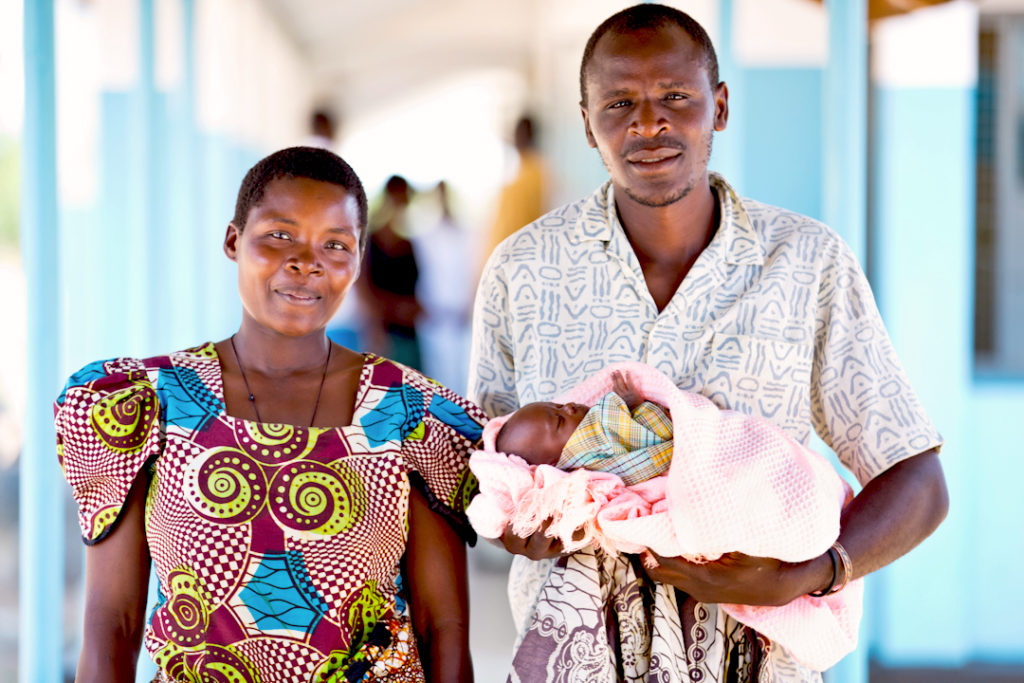
Tanzania has made commendable progress in reducing maternal mortality, yet the numbers remain alarming.
“We still have over 1,000 a year women dying while giving birth, and those are only the cases captured within health facilities,” Dr. Anna explains. “We do not know how many women die at home or outside the health system without being documented.”
Many maternal deaths are linked to well-known causes such as hemorrhage, hypertensive disorders, sepsis, and complications during labor and delivery. However, the underlying drivers extend beyond medical emergencies alone.
“There is still a very clear gap in quality of care,” she says. “This starts with provider skills and competency, how well providers monitor pregnancies, identify danger signs early, and manage complications.”
Why Human Resources and Provider Competency Matter
One of the strongest themes throughout the discussion was the importance of healthcare workers. When facilities are understaffed, healthcare providers become overstretched, making it difficult to provide continuous monitoring during labor, emergency obstetric care, timely interventions, and respectful care.
“Emergencies will happen during childbirth,” Dr. Anna says. “So having skilled personnel available to respond immediately is critical.”
But competency, she notes, cannot be solved through one-off trainings alone.
“Healthcare providers need ongoing support and motivation to retain skills, strengthen competencies, and consistently apply what they have learned.”
She highlights supportive supervision, mentorship, continuous professional development, and skills labs as essential investments for improving provider competency and accountability.
“We cannot deny that some deaths happen because of negligence,” she says candidly. “So we must ask ourselves: how are we holding the system accountable?”
According to Dr. Anna, partnerships with professional associations have proven valuable in strengthening provider accountability and encouraging continuous learning through systems such as continuous professional development training incentives.
Maternal Health is Not Only a Health Sector Issue
“We’ve moved past the idea that a single intervention alone can create major change. Multi-sectoral programming works best because it addresses people’s lives holistically.”
One of the clearest messages from the conversation was that maternal and newborn health cannot be addressed through clinical services alone.
Drawing on experiences with EngenderHealth-led programs such as Scaling Up Family Planning (SuFP), Dr. Anna emphasized the importance of integrated, multisectoral approaches.
Through community-based programming, EngenderHealth worked not only to improve facility quality but also to empower women to make decisions about their own health, engage men to challenge harmful gender norms, and link women to economic empowerment opportunities and community support systems.
Through EngenderHealth’s work with the USAID Boresha Afya Southern Zone project, women were connected to farming initiatives, savings and lending groups, and livelihood opportunities already existing within their communities. The results included improved antenatal care attendance, earlier antenatal care visits, improved postnatal care uptake, and reductions in maternal deaths within targeted councils.
“Even if a woman is empowered, if the surrounding community is not supportive, she may still struggle to access services,” Dr. Anna explains.
The Role of Family Planning in Reducing Maternal Mortality
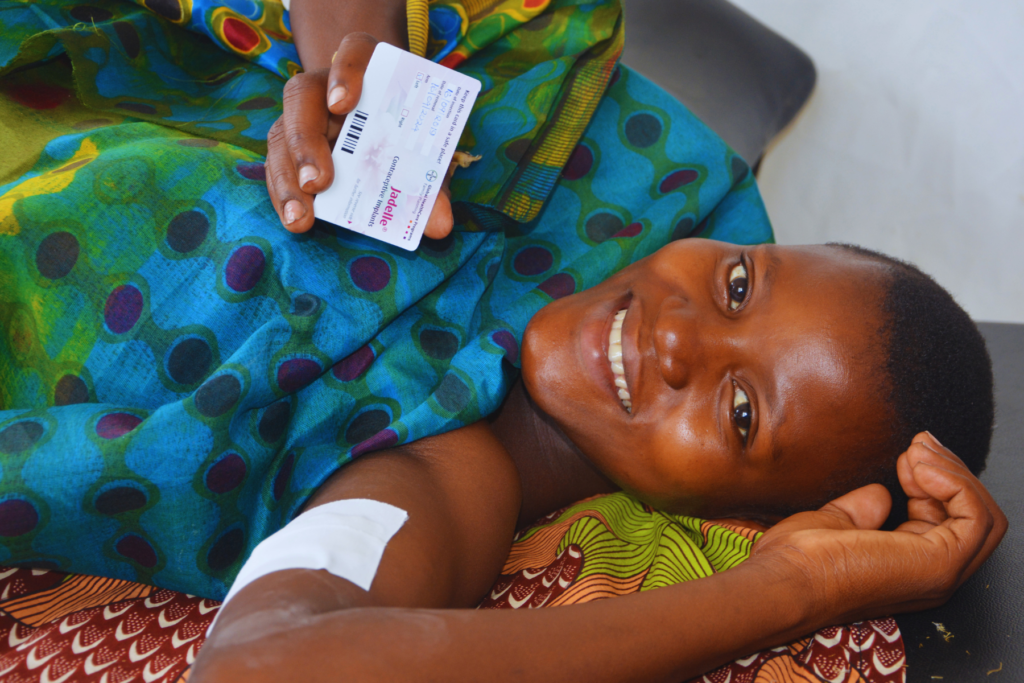
Dr. Anna also stressed that family planning and contraceptive care remain one of the most important, yet often overlooked, contributors to maternal health outcomes.
“We cannot focus only on clinical quality and ignore preventive services like family planning,” she says.
According to her, closely spaced and unintended pregnancies continue to contribute significantly to maternal mortality risks and poor newborn outcomes.
“Women need the ability to plan pregnancies, decide if and when they want children, and space pregnancies appropriately.”
She referenced global evidence, including findings from The Lancet, showing that improvements in family planning access have been among the largest contributors to reductions in maternal mortality.
AI, Innovation, and the Future of Maternal Health
While many discussions around maternal health focus on shortages and gaps, Dr. Anna also sees significant opportunities emerging through innovation and technology.
She believes AI could strengthen maternal health systems within Tanzania by analyzing maternal death surveillance data to identify trends and risks, support provider decision-making, and expand digital mentorship and telemedicine.
“We collect enormous amounts of data from every maternal death that occurs,” she explains. “AI could help us process that information more efficiently and identify trends or gaps we may not have previously focused on.”
She also sees potential in innovations around postpartum hemorrhage management, multiple micronutrient supplementation (MMS), referral systems, and digital provider support tools.
But she emphasizes that innovation requires investment.
“Government resources are already overstretched trying to sustain the basics,” she says. “Additional external support becomes essential for innovation.”
Partnerships as the Foundation for Sustainable Impact

Throughout the interview, Dr. Anna repeatedly returned to one central idea: partnerships are essential to creating lasting change.
“No single organization can do everything alone.”
From government collaboration and professional associations to disability organizations, youth-led groups, and community structures, she believes meaningful maternal health progress depends on collective action.
“Partnerships allow us to support women more comprehensively throughout their lives,” she says. “And ultimately, that’s what creates more meaningful and sustainable impact.”
For Dr. Anna, one message remains clear: despite progress, Tanzania still urgently needs continued investment in maternal and newborn health.
As Tanzania continues working toward improved maternal and newborn outcomes, Dr. Anna’s reflections serve as a reminder that reducing maternal mortality is not simply about saving lives during childbirth; it is about strengthening systems, empowering women, investing in prevention, and ensuring quality care that lasts throughout a woman’s entire life.
Thank you to Lilian Mfugale, Knowledge Management Officer, EngenderHealth Tanzania, for sharing Dr. Anna Temba’s story.