
Clean Water, Safer Care: Expanding Reproductive Healthcare in Ethiopia


By Rahel Getachew, EngenderHealth Ethiopia
What can clean water make possible? At a rural health post in Ethiopia, clean water is helping providers deliver safer care, prevent infections, and expand access to reproductive healthcare close to home.
When Reproductive Healthcare is Limited by Water
For ten years, Nezifa Aba Biya has served as a Health Extension Worker at Yanga Dogoma Health Post in Jimma, Ethiopia. She knows every household and the health needs of her community.
Yet, for years, one barrier shaped everything: there was no clean water at the facility.
“We could not even wash our hands properly,” she recalls. “Sometimes I had to travel to another health post just to process medical instruments.”
Unsafe water led to diarrheal diseases, widespread trachoma, and challenges in infection prevention. Due to a lack of water to process medical equipment, women seeking long-acting contraceptives had to travel far, limiting access to essential services.
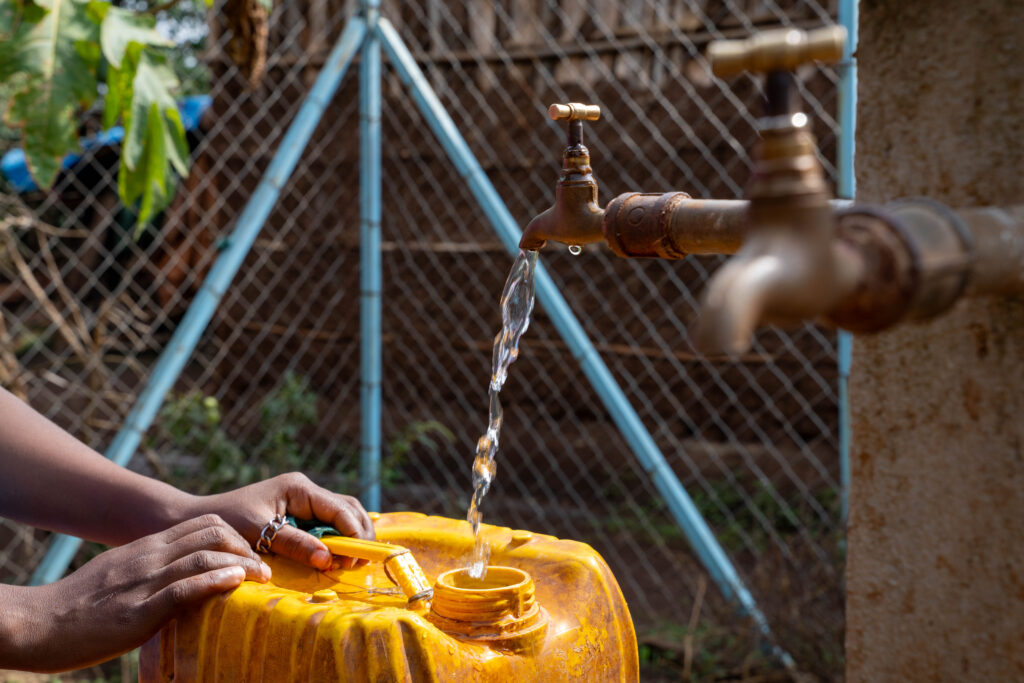
Bringing Clean Water and Reproductive Healthcare Together
Change came when the Reach, Expand, and Access Community Health (REACH) project strengthened clean water, sanitation, and hygiene alongside reproductive healthcare services. This integrated approach helped the health post improve infection prevention and expand local access to care.
The health post gained clean water, a functioning autoclave, renovated latrines, and other sanitation improvements. Staff received training in contraceptive care, youth-friendly services, behavior change communication, and referral systems.
“Now we can process instruments here. We follow proper infection prevention. The environment is clean,” Nezifa says.
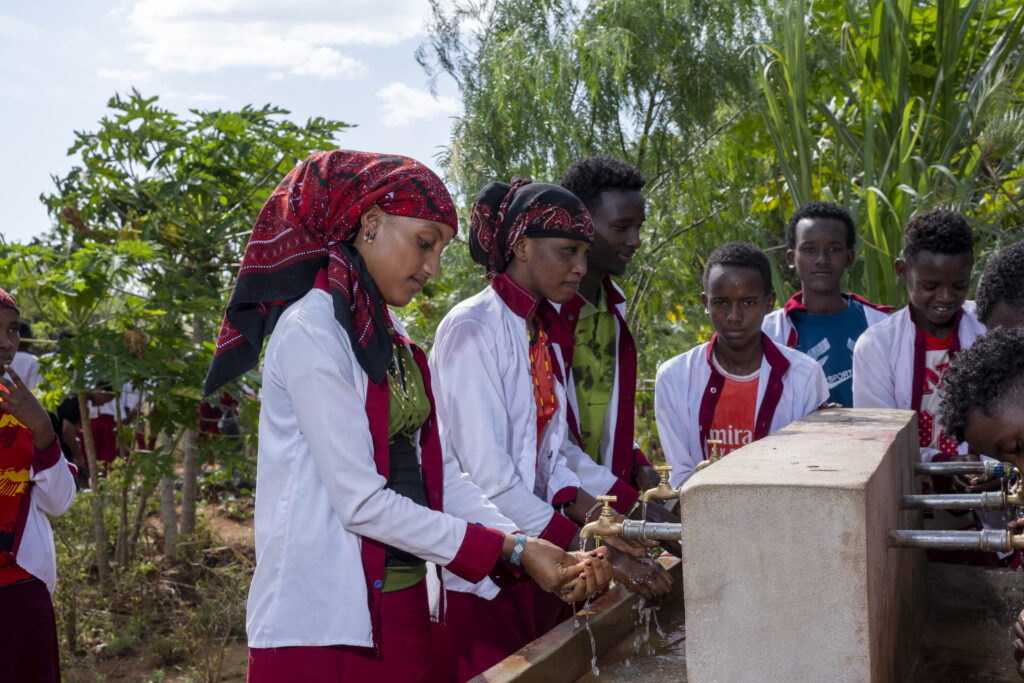
The results were clear: diarrheal diseases and trachoma declined, hygiene practices improved, and more people were able to access contraceptive services locally and with confidence. Immunization visits became more comprehensive, waiting times shorter, and satisfaction higher.
“Before, we wanted to give quality service, but we were limited,” Nezifa reflects. “Now we have the tools, the skills, and the water. We feel proud of our work.”
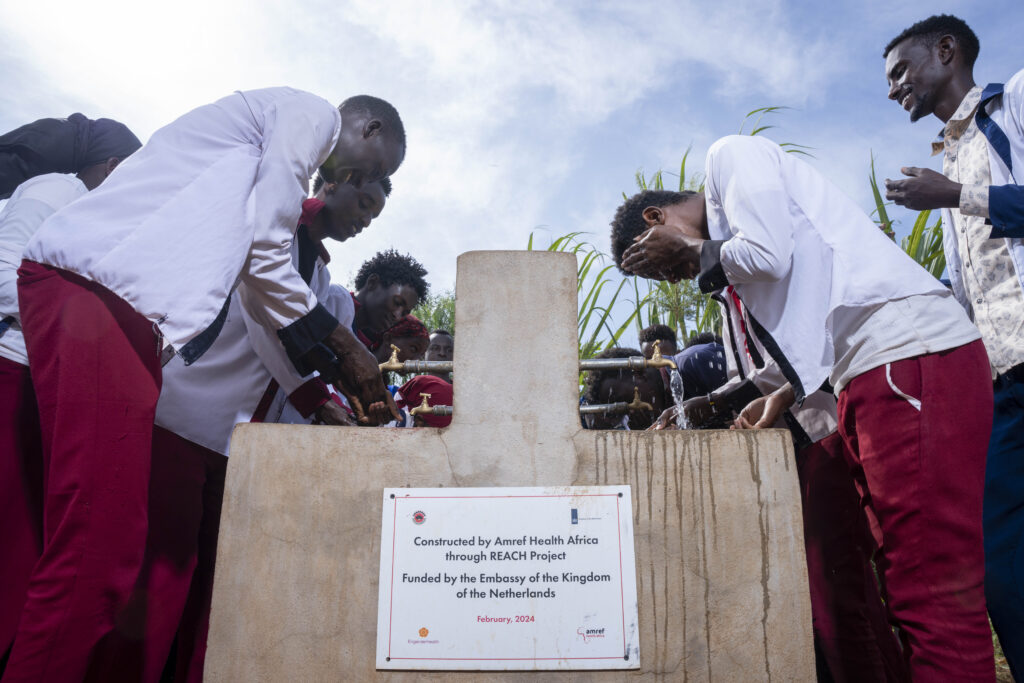
What Changed for Providers, Clients, and the Community
Clean water changed what was possible at the health post. Providers could process medical instruments safely, keep the facility cleaner, and offer care that people could trust. As confidence in the facility grew, more people were able to access services close to home.
Nezifa emphasizes sustainability through equipment care, maintaining cleanliness, community engagement, and consistent stock management.
“This is our facility,” she says. “If we protect it, it will continue serving our mothers and children.”
At Yanga Dogoma Health Post, clean water made safer care possible. It gave providers the tools to prevent infections, offer services with confidence, and help more people access reproductive healthcare close to home.
This story is adapted from REACH: Stories of Change and Impact, a photo-rich visual journey highlighting how communities, health workers, young people, and local partners in Ethiopia are expanding access to safer water, reproductive healthcare, menstrual health education, and lasting community-led solutions.