
Strengthening Essential RMNCH-N services for Pastoral Communities in Ethiopia


Pastoralist communities in Ethiopia continue to face significant barriers to accessing quality health services. Geographic isolation, population movement, inadequate health infrastructure, recurrent droughts, conflict, and shortages of essential supplies all contribute to disparities in maternal, newborn, and child health outcomes. While Ethiopia has made important progress in improving health indicators nationally, substantial gaps remain in lowland regions such as Afar and Somali, where access to skilled maternal care, immunization, nutrition, and family planning services remains significantly below national averages.
EngenderHealth is partnering with the Ministry of Health, Regional Health Bureaus, and district health authorities to revitalize essential lifesaving reproductive, maternal, newborn, and child health and nutrition (RMNCH-N) services in pastoral communities.
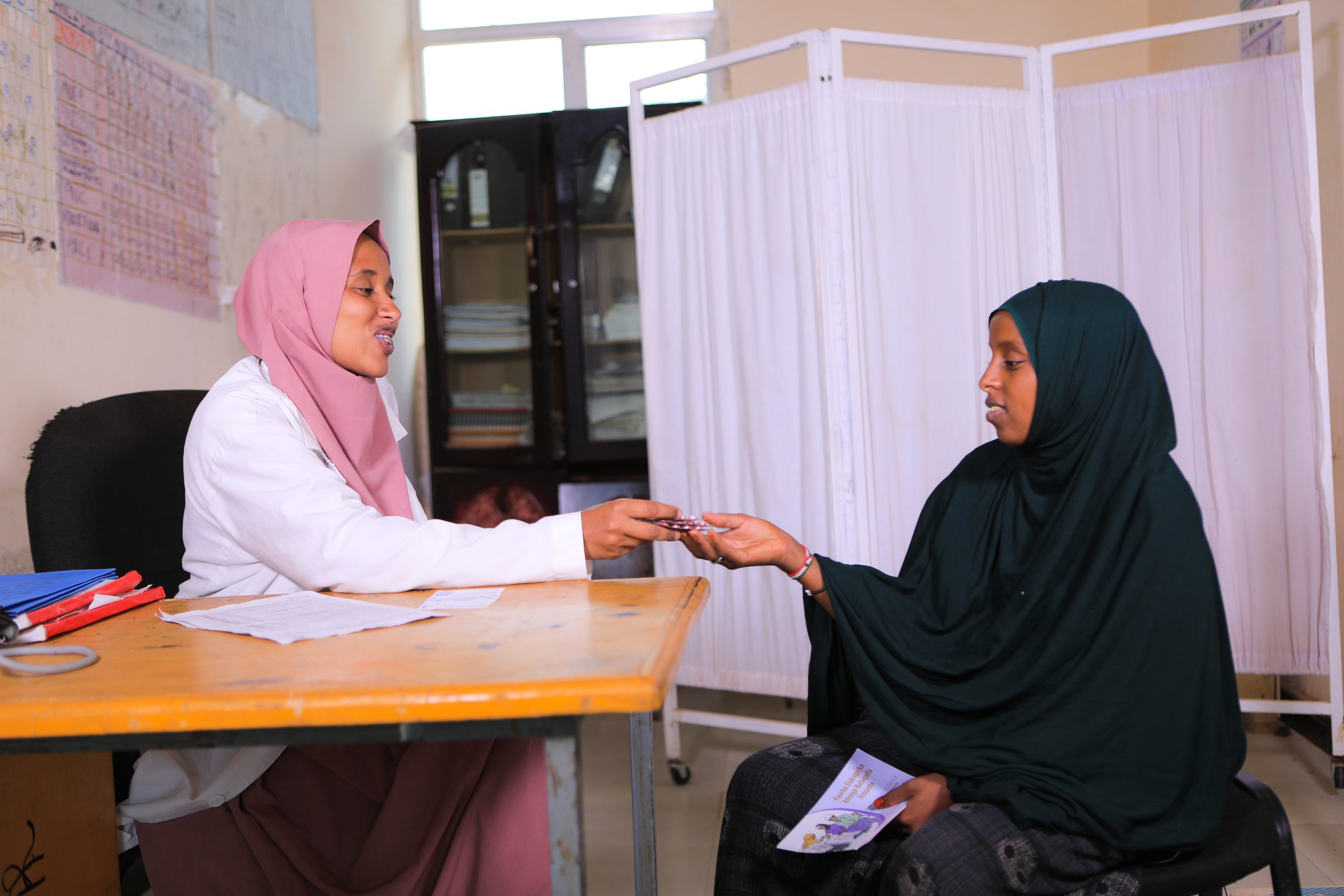
Through this project, EngenderHealth will support the revitalization of essential RMNCH-N services across 166 public health facilities and 8 Mobile Health and Nutrition Teams, extending high-quality services to women, newborns, children and underserved populations living in some of Ethiopia’s most remote settings.
The project is expected to directly benefit more than 558,000 people, including over 167,000 pregnant women, 191,000 newborns and children under five, 167,000 infants reached through immunization services, and more than 63,000 women of reproductive age accessing family planning services.
Key interventions include:
- Strengthening antenatal, childbirth, postnatal, newborn, child health, nutrition, and immunization services.
- Expanding outreach and mobile health services to reach remote and mobile pastoralist populations.
- Supporting the E-MOTIVE care bundle for prevention and management of postpartum hemorrhage.
- Strengthening Kangaroo Mother Care for premature and low-birth-weight newborns.
- Improving Integrated Community-Based Management of Newborn and Childhood Illnesses.
- Expanding access to postpartum family planning services.
- Strengthening supply chain management, clinical mentorship, health workforce capacity, and data use for decision-making.
- Supporting government-led transition planning to ensure continuity of services beyond the life of the project.
Expected Outcomes
Over the two-year implementation period, the program is expected to reach more than 558,000 people, including pregnant women, newborns, children under five, and women of reproductive age in Afar and Somali regions.
Expected outcomes include:
- Provision of essential lifesaving RMNCH-N services revitalized at 166 health facilities and through 8 mobile health and nutrition teams.
- High-impact interventions institutionalized at 47 primary hospitals and health centers.
- Provision of essential lifesaving RMNCH-N services successfully transitioned to government authorities.
Program Partners
- Ministry of Health, Ethiopia
- Afar Regional Health Bureau
- Somali Regional Health Bureau


