
USAID’s Legacy in Zanzibar: A Health System Built Over Decades is Now at Risk
For decades, USAID quietly supported Tanzania, including Zanzibar, in the building blocks of strong public health systems.
It wasn’t just about funding.
It was about building strong, coordinated health systems that communities could rely on. Systems that ensured coordination between government ministries, departments, community, healthcare clinics, and international and local NGOs. Systems that made sure women received timely maternal care, access to contraception, and emergency obstetric and neonatal care when they needed it most.
The Health System That USAID Helped Build
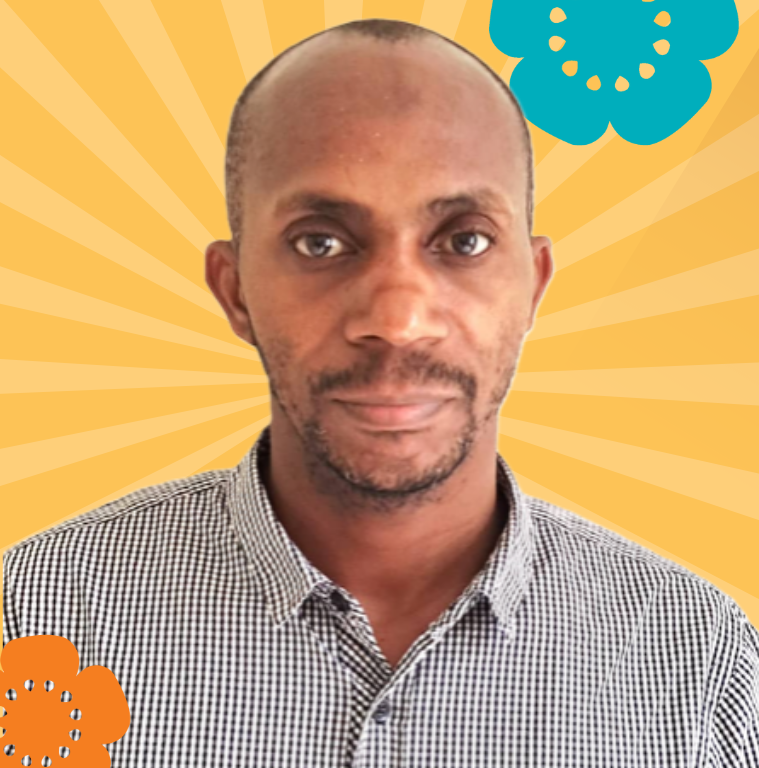
From his early years in the Ministry of Health to his current role leading EngenderHealth’s work in Zanzibar, Abass Makame has seen every layer of the system—from planning and supervision to monitoring and evaluation.
His deep knowledge of the government and firsthand experience navigating health system processes have made him an invaluable bridge between policy and practice.
And Abass has seen how USAID support helped knit the health system through:
- Training healthcare providers in reproductive healthcare services includes the emergency maternal and newborn care
- Supporting initiatives towards elimination of malaria
- Support provision of care and treatment for people leaving with HIV
- Supporting provision of quality maternal health and family planning programs
- Coordinating technical working groups including on reproductive, maternal, newborn, child, and adolescent health (RMNCAH–TWG)
- Funding mobile outreach teams reaching rural and underserved communities
- Building partnerships between the Ministry of Health, implementing partners, local providers, and community organizations
“These weren’t isolated programs,” Abass explains. “They were part of a coordinated system. USAID helped ensure the pieces worked together.”
A Breakdown in Coordination, Trust, and Care
Following the abrupt withdrawal of USAID funding in early 2025, that system is beginning to weaken. Abass has seen how outreach teams that once delivered contraception and maternal care to women in remote areas have disappeared. Coordination meetings between health agencies have been reduced, and some have failed to reconvene altogether. Capacity building programs, including training and supervision for health workers (especially on antenatal and postpartum care), have been scaled back.
These changes aren’t just administrative—they mean fewer women receiving timely care, fewer providers equipped to handle complications, and a growing risk that preventable deaths will rise.
USAID’s funding supported an interconnected network of care, linking malaria elimination programs, maternal health and family planning services, TB and HIV programs, and addiction recovery programs. These efforts worked in tandem to reach people at the highest risk. Without them, those people are being left without the optimum care and protection they once depended on.
“USAID made it possible for government actors, community leaders, and NGOs to work together. But now we’re seeing a breakdown in coordination,” Abass says. “It took decades to build this system of trust and collaboration, and it’s vanishing in a matter of months.”
His greatest concern remains the health and safety of mothers and children under five years old. Without adequately trained providers, consistent supervision, reliable supplies, and targeted outreach and health promotion efforts, more women face serious risks during pregnancy and childbirth. Without strategic, timely reinvestment, these gaps will only continue to grow.
“We have to focus on what reaches the most people, like family planning services, improving the maternal care (antenatal and postnatal), gender-based violence prevention, community-based based health promotion interventions, and capturing and analyzing reliable data to inform decisions,” Abass says. “These aren’t optional extras. They’re the foundation of a functioning health system.”
What We Must Protect
“This is more than a funding gap. USAID’s support changed lives. Its loss is deeply felt, but with renewed commitment, we can rebuild what was lost and keep moving forward,” said Abass.
Strong health systems aren’t built overnight—and they don’t collapse all at once either. They take years of investment, coordination, and trust between governments, communities, and partners.
That’s the legacy USAID helped build in Zanzibar: a collaborative, well-functioning system where maternal and reproductive healthcare was accessible, outreach was reliable, and health workers were consistently trained and supported.
Today, the government is doing what it can—shifting and prioritizing domestic funding toward HIV and sexual and reproductive health services, with a particular focus on emergency maternal and newborn care.
EngenderHealth and our partners are working alongside these efforts—training providers, ensuring the availability of essential supplies, strengthening data quality and use, and convening technical meetings to drive continued progress. Together, we’re striving to protect and build upon the foundation that USAID helped establish.
The end of USAID support has sparked new determination among local leaders to prioritize and mobilize resources. With renewed investment, trust, and commitment, there’s still time—not just to preserve what was built, but to create something even stronger and more sustainable. That vision—a health system every woman, every family, and every community can rely on—still guides the work moving forward.
While USAID funding may be gone, EngenderHealth remains. In Zanzibar, leaders like Abass continue working hand in hand with health workers, community members, and government institutions to train providers, deliver essential services, and strengthen coordination across the health system.
Together, they are building on the foundation USAID helped create—and shaping a healthier, more resilient future for all.
Thank you to Kate Tibone for sharing Abass’ story.