
Building Provider Confidence to Expand Contraceptive Choice in Ethiopia


By Fatuma Abdirezak and Haji Adow, EngenderHealth Ethiopia
When Long-Acting Contraceptive Care Feels Out of Reach
At Kebribeyah Primary Hospital in Ethiopia’s Somali Region, many women walked into the maternity and outpatient units with limited information about their family planning options. Long-acting contraceptive methods were available but rarely discussed in depth.
For Hamad Omer, a midwifery nurse and frontline health care provider, this was not due to lack of commitment. It was about confidence.
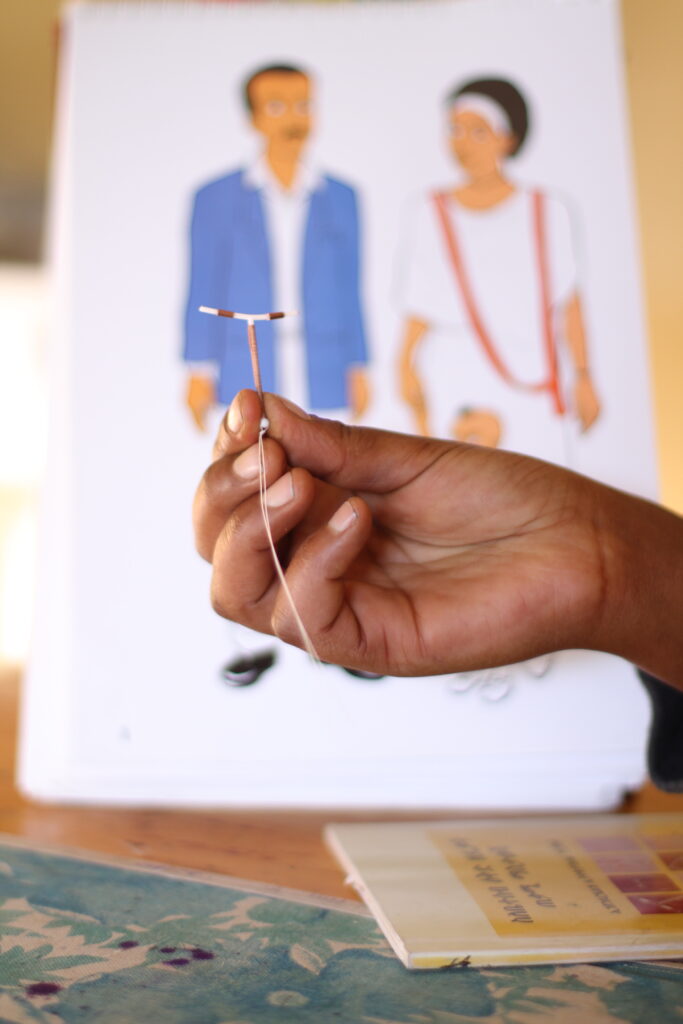
For years, she primarily provided short-acting methods and implants. Counseling on long-acting reversible contraceptives (LARCs), particularly intrauterine contraceptive devices (IUCDs), felt complex.
Questions about eligibility, side effects, infection prevention, and complication management made the service seem risky. As a result, many women were not fully informed about all available options, and opportunities for informed choice were often missed.
“I was not fully comfortable providing the service myself,” Hamad reflects. “If I was unsure, I would avoid discussing it in detail.”
Training Providers to Deliver Confident, Client-Centered Care
In June 2025, Hamad participated in comprehensive contraceptive training organized under EngenderHealth’s A Rights-Based Approach for Enhancing SRHR & Responding to GBV in Ethiopia. The training focused not only on IUCD insertion techniques but also on long-acting contraceptive counseling, infection prevention, follow-up care, and respectful, client-centered communication.
The approach was practical and supportive. Classroom sessions were combined with simulation practice and supervised service delivery. Post-training mentorship and supportive supervision ensured that learning did not end when the workshop closed.
The change was immediate and visible in how care was delivered.
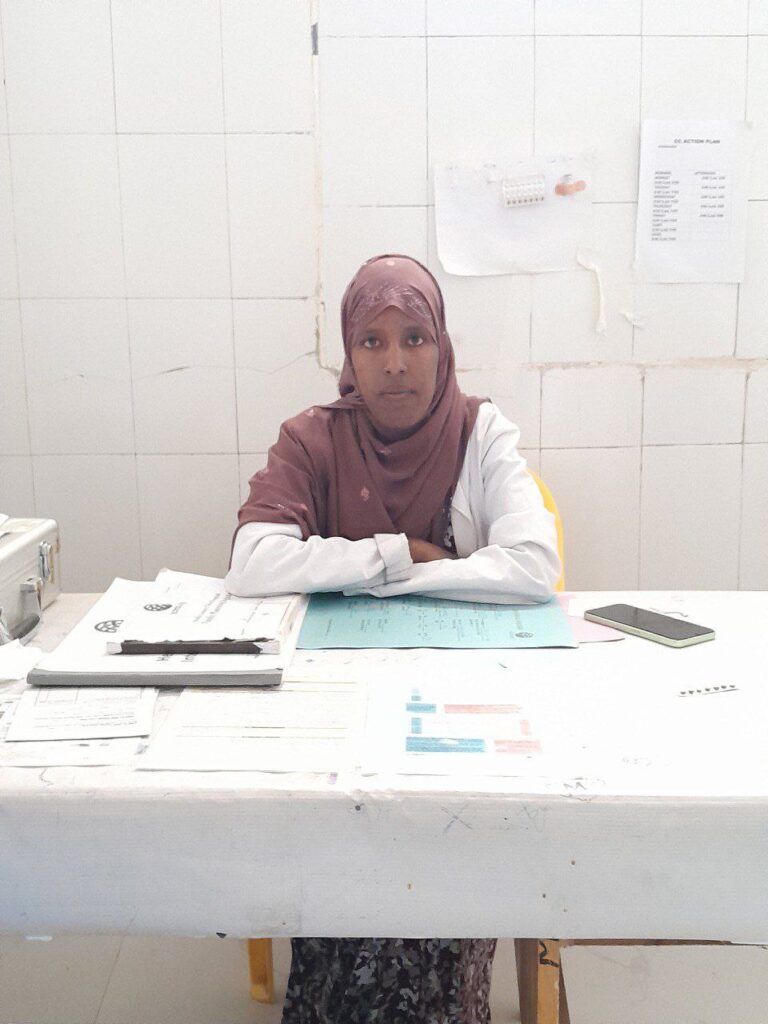
Hamad began to understand long-acting methods not as complicated procedures reserved for specialists, but as essential tools that expand women’s reproductive choices. Her confidence grew with each supervised insertion and each counseling session where she could clearly explain benefits, side effects, and eligibility criteria.
Most importantly, her approach to counseling changed.
Instead of limiting family planning discussions to clients who explicitly requested contraception, Hamad began integrating comprehensive contraceptive counseling into routine maternal and child health services.
During antenatal care, she discussed postpartum family planning. In postnatal care visits, she created space for conversations about birth spacing. In outpatient and immunization services, she ensured women received balanced, non-judgmental information about both short- and long-acting methods.
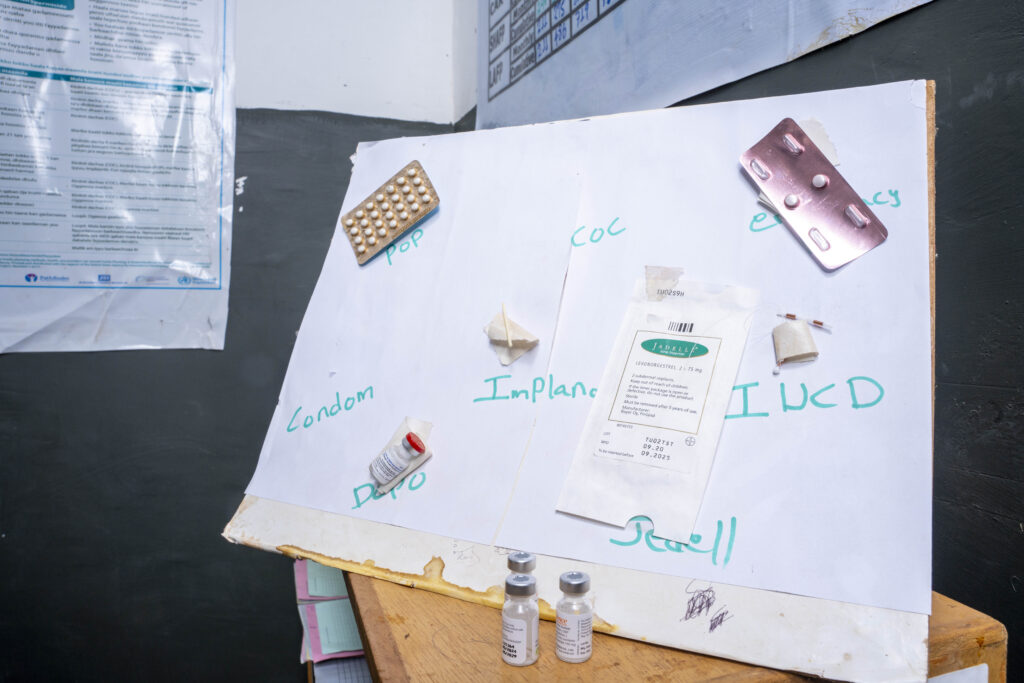
Long-acting contraceptives were no longer a side topic; they became part of routine, holistic care.
“After the training and mentoring, my confidence changed completely,” Hamad says. “I am now comfortable counseling women about long-acting methods and providing the service myself. I see it as my responsibility to support women to make informed choices about their reproductive health.”
More Information, More Choice for Women
The impact became visible in service data.
Between July and December 2025, Kebribeyah Primary Hospital recorded 55 IUCD insertions, a substantial increase compared to the pre-training period.
Beyond the numbers, women reported feeling more informed and respected during consultations. Many shared their positive experiences with peers, encouraging others to consider long-acting methods.
What changed was not only statistics. It was the quality of interaction between provider and client. Women who once left with limited information now left with choices. Conversations that once felt rushed became opportunities to build trust.
For the women of Kebribeyah, that means something powerful: the ability to plan their families with confidence, supported by a provider who now feels just as confident in serving them.