
What Changed When Hawella Tula Expanded Postpartum Contraceptive Choice


By Tesfaye Ordolo and Meseret Mengesha, EngenderHealth Ethiopia
When a woman gives birth, the moments before she leaves the maternity ward can shape the future health and wellbeing of her family. At Hawella Tula General Hospital in the Sidama Region of Ethiopia, these moments once represented a missed opportunity.
Although a range of postpartum family planning services were available, very few women chose the postpartum Copper IUD. Many left the hospital without a long-acting contraceptive because they had not received the counseling or support needed to make an informed choice.
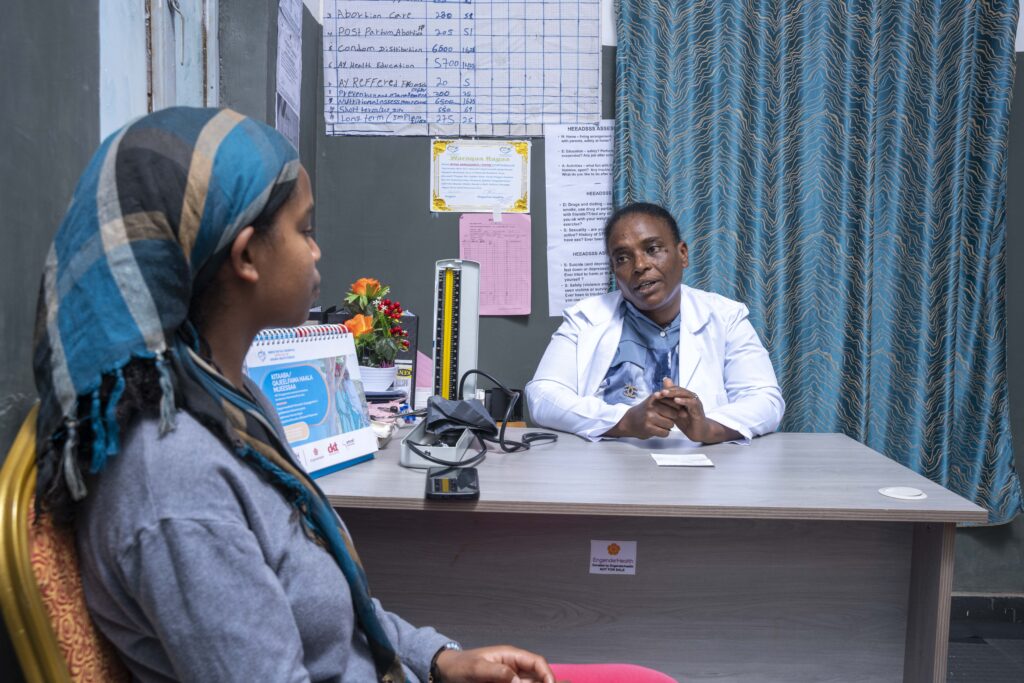
For the maternity team, this was frustrating.
Providers wanted to help women make informed decisions about postpartum contraception, but many lacked the confidence and practical skills to effectively counsel mothers on postpartum intrauterine devices and perform insertions. Between April and October 2025, 842 women received immediate postpartum family planning (IPPFP) services, yet only 29 chose a postpartum Copper IUD—an uptake rate of just 3%.
Expanding Postpartum Contraceptive Choice
In November 2025, postpartum family planning services at Hawella Tula General Hospital began to change.
The introduction of the hormonal IUD, combined with a quality improvement initiative, did more than add a new contraceptive option. Through EngenderHealth’s Integrated RMNCH + PPFP project, healthcare providers received competency-based training, ongoing coaching, and technical support to strengthen their counseling skills, clinical competency, and confidence in providing both hormonal and Copper IUDs.
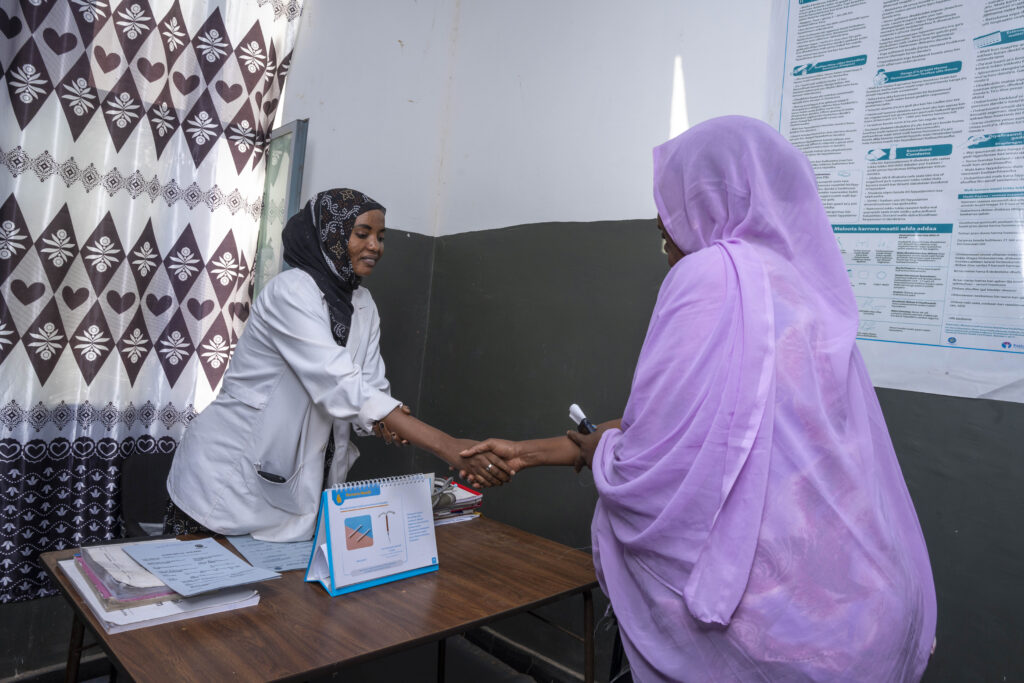
Family planning counseling was integrated throughout the continuum of maternal care, from antenatal visits to labor, delivery, and postnatal care, giving women multiple opportunities to receive accurate information and voluntarily choose the method that best suited their needs.
The changes were reinforced through practical quality improvement measures, including stronger antenatal counseling, weekly performance reviews, improved commodity management, and routine use of service data to identify challenges and improve care.
For Martha Mekuria, Head Midwife at Hawella Tula General Hospital, the transformation was evident not only in the numbers but also in the confidence of her team:
“The HIUD training, ongoing coaching, and technical support significantly improved providers’ confidence and skills in postpartum IUD counseling and insertion. In addition, quality improvement initiatives focused on strengthening ANC family planning counseling and weekly performance monitoring played a key role in increasing the uptake of both Hormonal and Copper IUD services.”
Increasing Voluntary Uptake of Copper and Hormonal IUDs
As providers became more confident and women received stronger counseling, contraceptive choices began to shift.
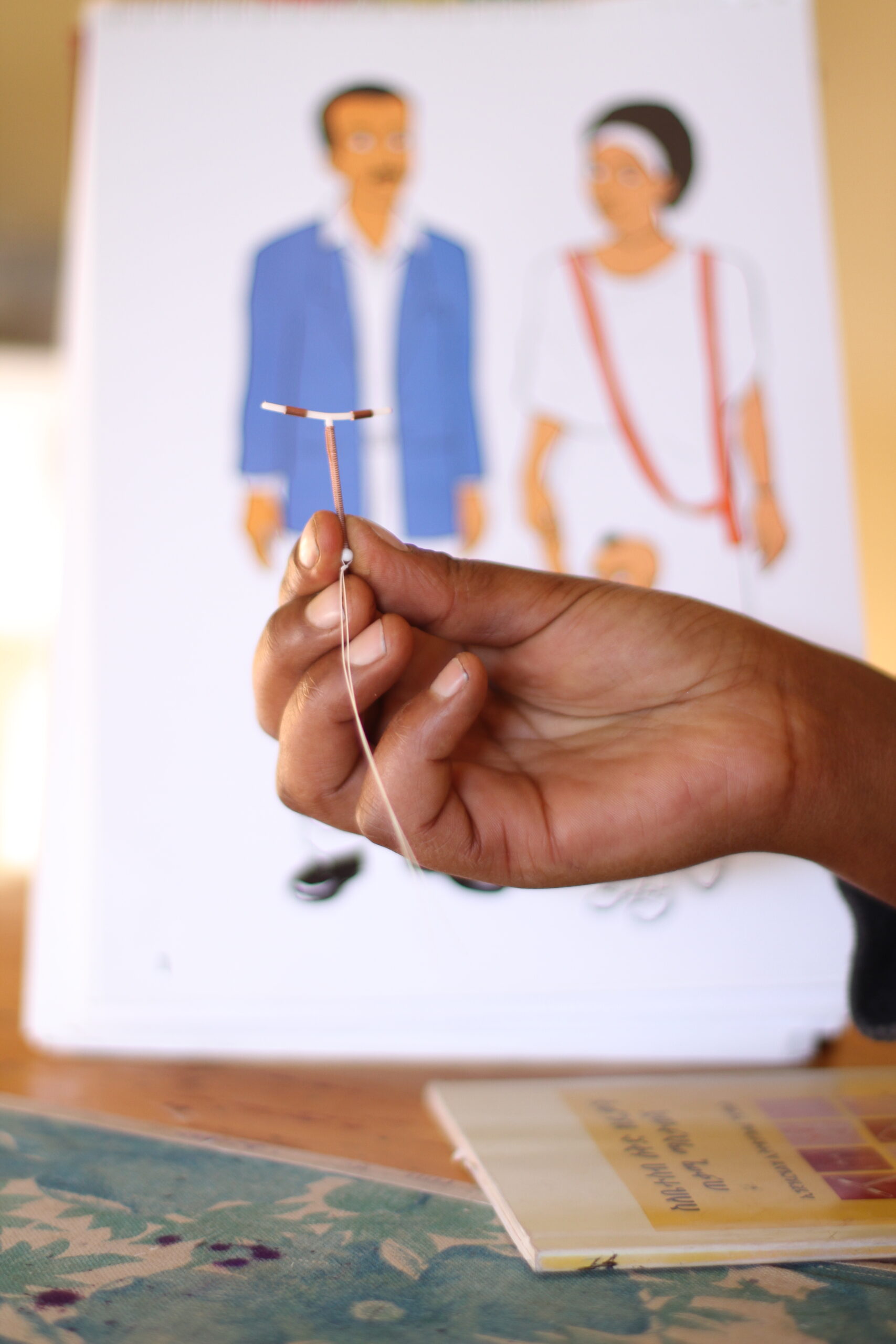
During the first month of implementation, 11 postpartum mothers voluntarily chose the newly introduced Hormonal IUD, demonstrating interest in an expanded range of postpartum contraceptive options. The introduction of hormonal IUD also strengthened providers’ ability to counsel on all postpartum IUD options, creating a ripple effect that dramatically increased voluntary uptake of the Copper IUD.
The results were striking.
During the five months following implementation, from November 2025 to March 2026, 642 women received IPPFP services. Of these, 222 voluntarily chose a postpartum Copper IUD, increasing uptake from 3% before the intervention to 35%. Monthly Copper IUD insertions increased from an average of four to 44, more than a tenfold increase.
The progress continued month after month. In October 2025, only 8 of 122 women receiving postpartum family planning services chose a Copper IUD. By March 2026, 70 of 136 women selected the method, with uptake rising to 51%.
Yet the most significant outcome cannot be measured by numbers alone.
Using Quality Improvement to Strengthen Family Planning Services
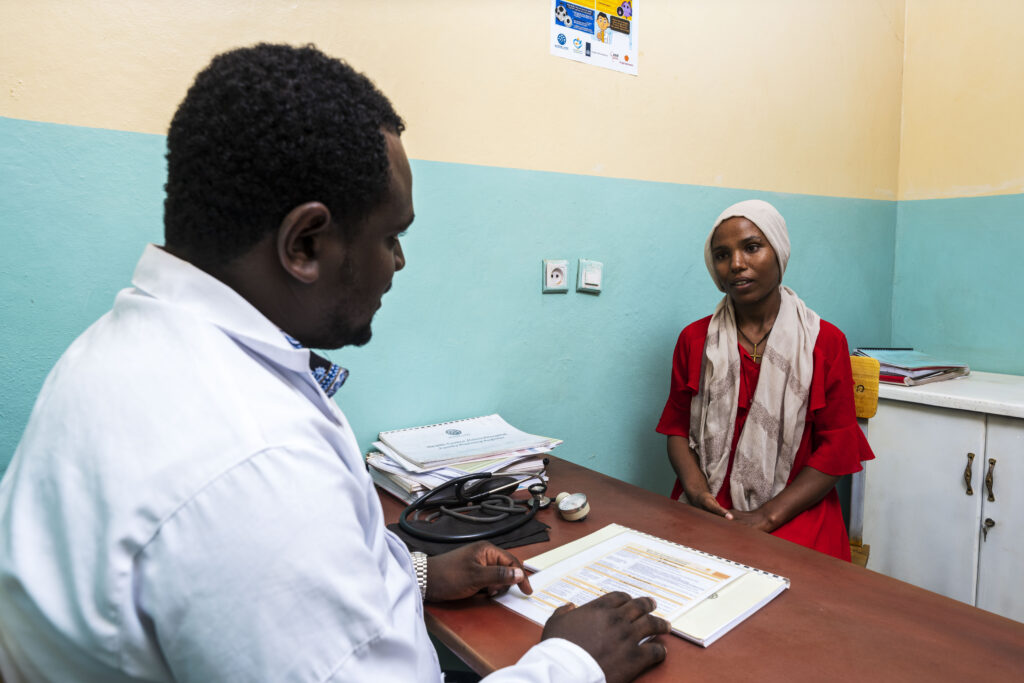
Today, women delivering at Hawella Tula General Hospital receive respectful, client-centered counseling throughout pregnancy and childbirth, allowing them to make informed decisions about their reproductive health. Providers approach counseling with confidence, offer a broader range of contraceptive choices, and deliver high-quality postpartum IUD services as part of routine maternity care.
What began as a project-supported intervention has become part of the hospital’s standard practice. Continuous onsite coaching, routine performance reviews, data-driven quality improvement, and strong leadership ownership have ensured that these improvements continue well beyond the initial implementation period.
Hawella Tula General Hospital’s experience demonstrates that expanding contraceptive choice is only one part of strengthening postpartum family planning. Lasting improvement also depends on skilled providers, respectful counseling, reliable services, and systems that support voluntary, informed choice.