
Every Maternal Death Is a Call to Learn, Act and Improve


Using maternal death reviews to identify gaps and strengthen maternal healthcare in Ethiopia
By Dr. Fetiya Awol and Nardos Delelegn, EngenderHealth Ethiopia
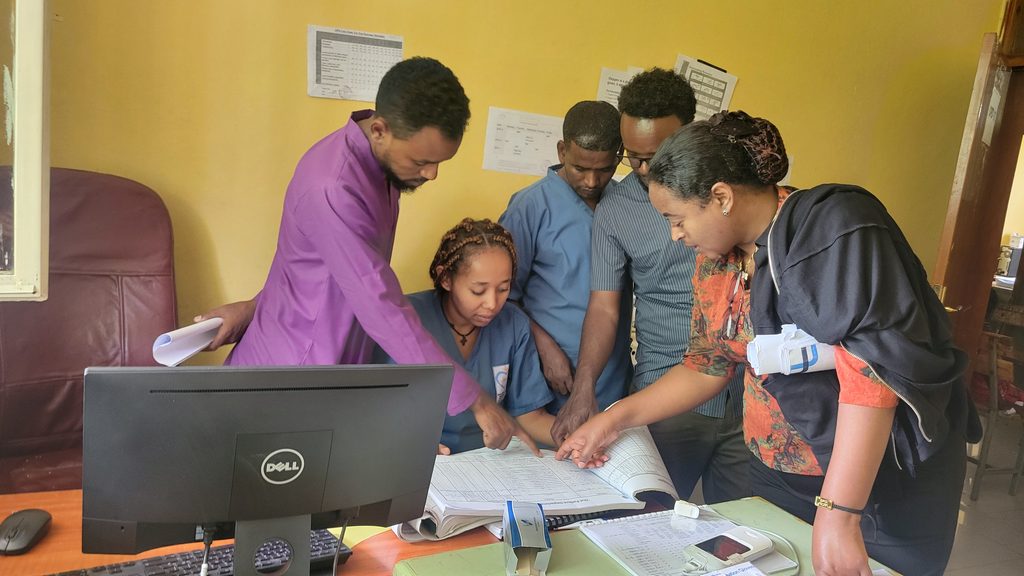
Every maternal death is a devastating loss. But each death can also provide critical lessons about where a health system can act differently to prevent future deaths.
What is Maternal and Perinatal Death Surveillance and Response (MPDSR)?
MPDSR is a process for reviewing maternal and newborn deaths to understand not only the medical cause of death, but also what happened before, during, and after care. Health teams examine records, referrals, treatment decisions, and other evidence to identify preventable factors and determine what needs to change.
In July 2026, 13 maternal deaths reported across five regions in Ethiopia—Oromia, Amhara, Sidama, Central Ethiopia, and South Ethiopia—were compiled and reviewed using clinical narratives, facility records, and other available evidence and findings.
The July review went beyond identifying a cause of death. It examined each woman’s journey from home and the community, through referral and arrival at a health facility, to understand where delays and missed opportunities occurred.
The goal of a review is not simply to count deaths: it is to learn from each tragedy and use that evidence to identify changes that could help prevent similar deaths in the future.
Postpartum hemorrhage is only part of the picture
Postpartum hemorrhage (PPH), or excessive bleeding after childbirth, is a major cause of maternal death. Because blood loss can be difficult to estimate visually, calibrated drapes help health workers measure bleeding more objectively and recognize potentially dangerous blood loss sooner.
As part of EngenderHealth’s work to strengthen PPH detection and treatment, the review examined differences in how maternal deaths were classified and whether calibrated drapes could have supported earlier recognition of bleeding in individual cases.
But the review also showed why it is important to look beyond any single cause or solution.
Of the 13 deaths reviewed, three provided the clearest opportunity for calibrated drape use, involving visible postpartum bleeding following vaginal or home delivery. Other deaths were associated with uterine rupture, bleeding following cesarean delivery, hypertensive disorders, sepsis, respiratory failure, anemia, malaria, and other complications requiring different prevention and response measures.
Across the six implementation regions, the PPH case fatality rate for institutional vaginal births where calibrated drapes were used fell from 1.4% at baseline to 0.2% within 12 months. This measure excludes deaths involving other coexisting medical conditions.
This distinction matters. A calibrated drape can help health workers recognize excessive bleeding earlier, but it cannot address every complication that puts a woman’s life at risk. Even when PPH is identified, measuring blood loss is only the beginning. Saving lives requires health systems capable of responding immediately, with appropriate treatment, blood and blood products, emergency surgery, critical care, and timely referral.
Where the Three Delays Put Women’s Lives at Risk
The review repeatedly highlighted problems across what maternal health experts call the Three Delays: delays in deciding to seek care, delays in reaching appropriate care, and delays in receiving timely, high-quality care after arriving at a health facility.
Looking across each woman’s journey helped identify where those delays occurred:
- At the community level, missed opportunities included recognizing danger signs, preparing for childbirth, and seeking care in time.
- During referral, cases highlighted delays in transportation, communication, stabilization, and coordination between facilities.
- At health facilities, gaps included emergency triage, skilled first-line response, access to blood, readiness for emergency surgery, postoperative monitoring, and coordination between clinical teams.
For a woman experiencing hemorrhage, for example, recognizing the danger she is in is only the first step. She may also need immediate treatment, rapid referral, emergency surgery, blood transfusion, or critical care. Delays at any point can put her life at risk.
Using Better Evidence to Plan the Right Response
One of the most important lessons from the review is the need to understand what happened before deciding how to respond.
In some cases, the clinical evidence did not support simply categorizing a death as postpartum hemorrhage. If a death is recorded as PPH when the evidence points to another complication, health teams may focus on an intervention that does not address the underlying problem.
Comparing MPDSR findings with clinical narratives, facility records, registers, E-MOTIVE documentation, and other available evidence can provide a more complete picture of what happened and where gaps occurred. That information can then help health teams identify the changes most likely to prevent similar deaths in the future.
The review also reinforced that MPDSR must not end with documentation. Its recommendations include improving PPH classification and documentation, strengthening the first response to bleeding, making referrals safer and faster, improving the response to emergencies that require more than a calibrated drape, and turning identified preventable factors into practical action plans. Progress can then be tracked through facility and regional quality improvement platforms.
Learning From Every Maternal Death
The findings from this review point to a broader lesson for maternal health in Ethiopia. Reducing maternal deaths requires more than a single intervention. It requires health systems that can identify risks, recognize emergencies early, connect women to appropriate care, and respond quickly when complications arise.
Tools such as calibrated drapes and the E-MOTIVE package of care to detect and treat PPH can strengthen the detection and treatment of postpartum hemorrhage. But this review showed why they must be part of a larger system that includes timely referral, emergency surgery, access to blood and blood products, critical care, skilled health workers, and coordination across every stage of care.
Every maternal death tells a story. The responsibility of the health system is to listen to that story, identify where change is possible, and ensure that the lessons do not remain on paper. By looking closely at what happened, rather than assuming the cause or the solution, health teams can make better-informed decisions about where to focus their efforts and resources.
That is the value of maternal death surveillance and response: learning from each death and using that knowledge to help prevent the next one.
As part of this ongoing maternal health work, supported facilities recorded 62% fewer maternal deaths during the first nine months of the program compared with the same nine-month period before the program began. The decline reflects progress made through efforts to strengthen care across the health system.
The July review provides new evidence to build on that progress. By showing where delays occurred and identifying the different complications involved in each death, it gives health teams better information to determine where further improvements are needed.
Learn more about our work to strengthen maternal and newborn health in Ethiopia.