
Advocacy in Action: How EngenderHealth Helped Move Millions for Contraceptive Care in Nigeria


In Nigeria, where more than 200 million people depend on an overstretched health system, access to contraceptive care can change lives—and shape the future. But even with good policies on paper, progress often comes down to one thing: whether governments release the funds to make those promises real.
That’s where EngenderHealth’s advocacy team stepped in.
With support from the Catalytic Opportunity Fund through the Clinton Health Access Initiative (CHAI) and the Gates Foundation, EngenderHealth has been working alongside Nigerian government since 2023 to turn policy into action. The team helped review state budgets, track commitments, and push for the release of funds dedicated to family planning.
And it’s working.
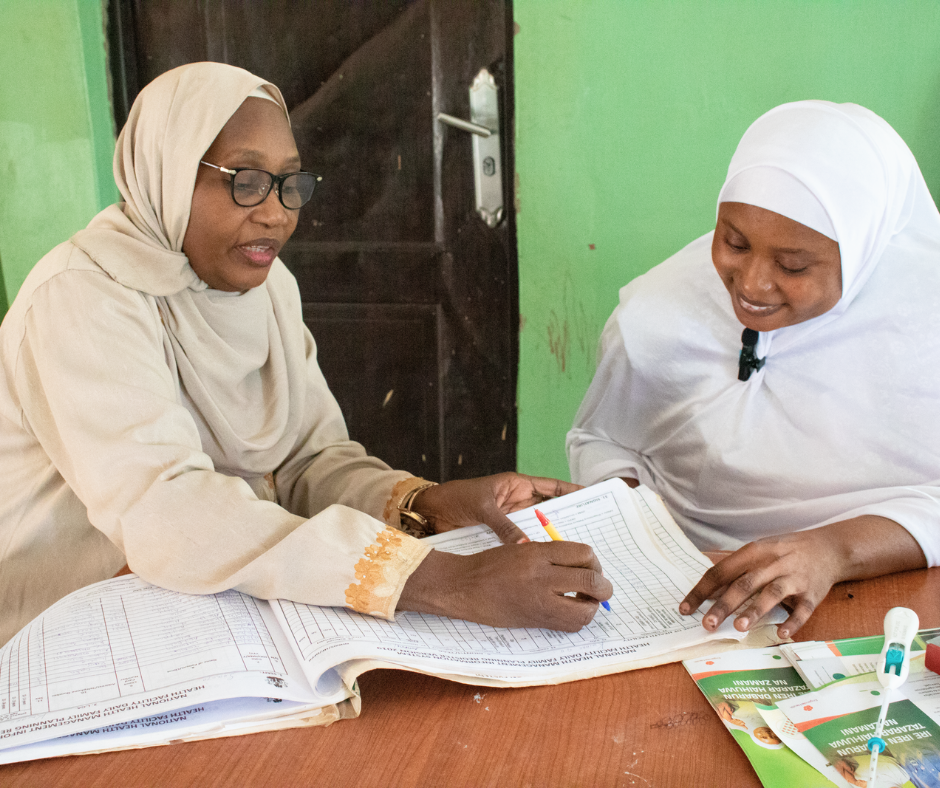
In Bauchi, the state government released ₦50 million (about $32,000) in 2024 to UNFPA to support family planning, and ₦70 million already approved in 2025 budget for contraceptive supplies, including the hormonal IUD. In Sokoto, ₦30 million was released to secure family planning commodities. Even in states like Kebbi and Plateau, where budgets have been approved but not yet disbursed, family planning coordinators are making their voices heard and holding leaders accountable.
These victories may sound bureaucratic, but behind each number is a woman who now has more control over her health, her family, and her future.
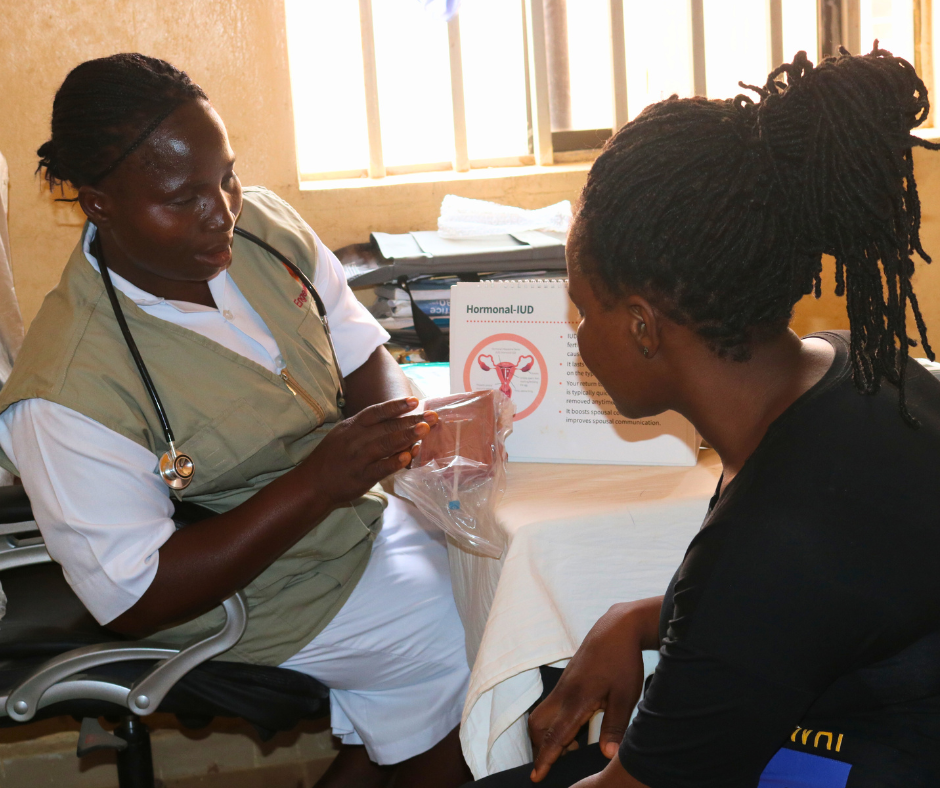
Plangnan, one of the women who chose the hormonal IUD at a public clinic supported by EngenderHealth, said:
“I wanted to rest from pregnancy and childbirth but didn’t know what to do. When the nurse at the health center was talking about it, I felt that this is what I have been looking for.”
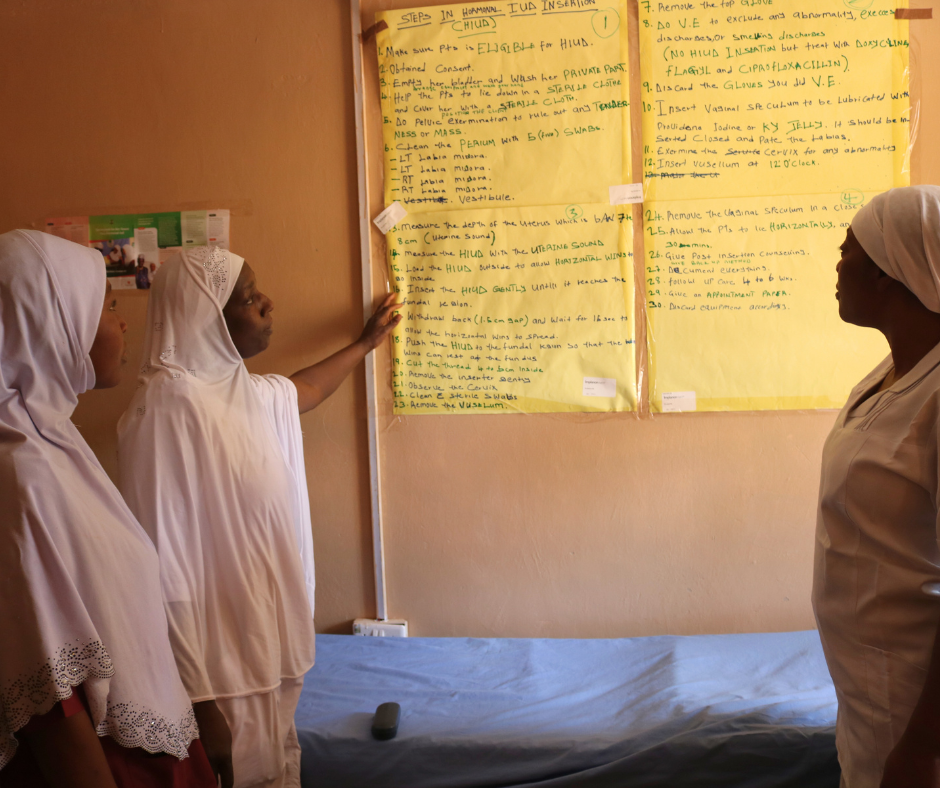
Through the Hormonal IUD Rollout and Scale-Up Program, EngenderHealth is not only training healthcare workers and equipping clinics—it’s also helping governments prioritize the kind of reproductive health services that women like Plangnan are asking for.
Kabiru Atta, EngenderHealth’s Country Director in Nigeria, puts it simply:
“Contraceptive care is about choices, not prescriptions. Our role is to listen, support, and ensure everyone has access to what’s right for them.”
Turning Policy into Progress
Nigeria already has supportive national policies to guarantee access to primary healthcare and family planning. But as the global funding landscape shifts, countries like Nigeria are learning to rely more on domestic resources—and that requires persistence, partnership, and transparency.
EngenderHealth’s advocacy model shows what that looks like in practice. Teams track how funds flow, coach local health officials in budget management, and bring citizens and civil society into the conversation through technical working groups. It’s slow, detailed work—but it builds something powerful: accountability.
A more equitable distribution of family planning resources across federal, state, and local levels will make care more consistent, especially in rural areas. When funding is fair, policies become real—and women everywhere have a better chance to thrive.
A Global Lesson in Local Action
Change like this doesn’t happen overnight, and it doesn’t happen in isolation. It happens because advocates—inside and outside government—believe that everyone deserves access to information and care.
Nigeria’s progress is a reminder that advocacy works. Whether you’re a policymaker, healthcare worker, or community organizer, you can make a difference by holding systems accountable and ensuring resources reach the people who need them most, because when women can make informed choices about their health, everyone benefits.
Thank you to Kabiru Atta, Ahmed Afolabi, Stanley Osayi, and Ana Aguilera for their important contributions to this work.