
“We Have Resorted to Using Substandard and Expired Family Planning Commodities”: The Hidden Cost of USAID Cuts in Nigeria
By Stanley Osayi, EngenderHealth Nigeria
With U.S. foreign aid gone, Nigerian women face dangerous gaps in family planning care.
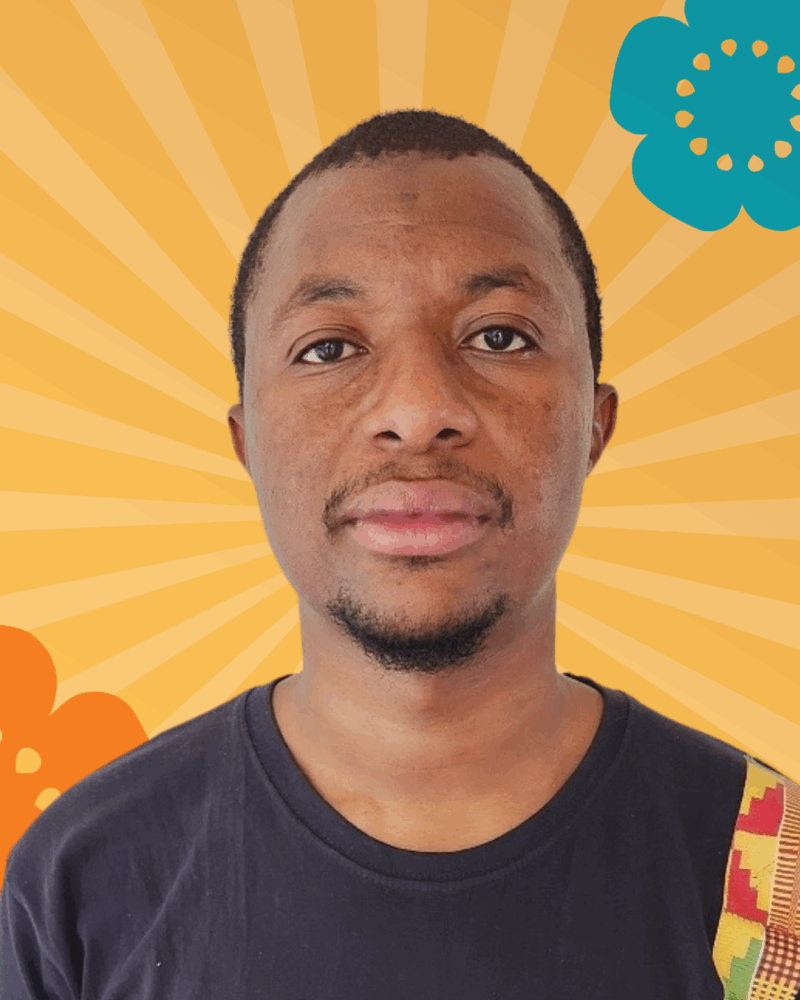
Mubarak Balarebe, a Pharmacist in Kebbi State, Nigeria
In Kebbi State, Nigeria, where EngenderHealth supports maternal health, family planning, and gender-responsive care, healthcare workers are being forced to make impossible choices.
At one facility, staff who are desperate to meet the community’s demands have resorted to using expired family planning products.
Elsewhere, counterfeit and fake contraceptives are quietly entering the supply chain.
This is more than a health crisis. It is a human rights crisis borne from the sudden end of USAID support.
“Before the cuts, the logistics and supply chain system for commodities in the state was effective and everything was moving substantially well with regards to drugs and medical supplies,” says Mubarak Balarebe, a pharmacist and the State Coordinator of Logistics Management Coordination Unit (LMCU) for Kebbi’s Ministry of Health. “Now, there are no family planning supplies at all.”
For years, USAID was a leading donor to Nigeria’s primary healthcare system, providing steady contraceptive supplies, training for health workers, and strong monitoring to ensure women could access safe, informed contraceptive choices.
Through the USAID-supported Global Health Supply Chain Program, Kebbi State received high-quality commodities and technical support received high-quality commodities and technical support reaching from central warehouses to the most remote clinics.
“Services were free. Supplies were steady. Staff were trained. We were making real progress,” Mubarak remembers.
But when USAID support and funding was cut, that progress unraveled almost overnight.
From Protection to Panic
Today, the situation in Kebbi State is dire. Women who once had access to reliable contraception now face stockouts at the clinics, expired products, and unsafe alternatives. Health workers who were once trained in how to counsel and offer holistic care are now unsupported. Entire communities are feeling the ripple effects from this decision.
“We’ve already seen a rise in unwanted pregnancies and birth-related complications, especially in the rural areas,” says Mubarak.
In just a few months, the loss of USAID support has triggered widespread disruption across Nigeria’s health system, including:
- A complete halt to family planning coordination meetings, monitoring, and client tracking
- Lack of training for health workers on essential reproductive and maternal health services
- Use of expired and counterfeit contraceptives due to supply shortages
- A breakdown in nutrition programs, with Ready-to-Use Therapeutic Food (RUTF) no longer reaching malnourished children
- A rise in maternal health risks, including unsafe abortions and pregnancy-related deaths
These aren’t just setbacks—they’re life-threatening consequences. Women are being denied control over their reproductive choices, frontline health workers are operating without support, and maternal and infant deaths are on the rise.
“This Will Cost Lives”
Mubarak is certain about what comes next if funding isn’t restored:
“A lot of people will lose their lives. Unwanted pregnancies, birth complications, under-five deaths—this is what happens when family planning disappears.”
His greatest fear is that these losses will go unnoticed until it’s too late. With nutrition support cut, malnutrition is spiraling for mothers and babies, pushing the health system to the brink. Without contraceptives, more mothers and children will die. Without trained providers, preventable errors are rising. Without oversight, lifesaving supplies are wasted or lost.
Family Planning is the Foundation
Family planning is not a luxury—it is a lifeline. It allows women to make choices, delay marriage, space births, and build better futures for their children. It protects health systems from being overwhelmed. It saves lives.
When we invest in family planning, we invest in women’s autonomy, in economic stability, in healthy families, and strong communities.
“We’re asking for continuity of support across all programs to improve the quality of life in our state,” Mubarak says. “We’re asking for the restoration of what worked—for the sake of the people and the community we serve.”
The loss of USAID funding has put lives at risk—but the need for reproductive health care hasn’t gone away, and neither have we. EngenderHealth is still working alongside local partners to protect access to care, and we’re calling on global leaders to do the same. Join us in taking a stand.