
Transforming Care at Olaniciti Primary Hospital: Supporting Integrated, Women-Centered Care in Ethiopia


By Amina Kampise, Merian Abdirkadir, Usmael Hassen, Betel Sahile and Axumite Seyoum, EngenderHealth Ethiopia
At Olaniciti Primary Hospital in Ethiopia, the story of transformation is not about one woman—it is about many.
For years, women arriving to deliver their babies in this predominantly pastoralist community often experienced fragmented care. Family planning was rarely discussed consistently, and when it was, it sometimes felt rushed or unclear. Cultural and religious reservations shaped perceptions, and many women left without the information they needed to make confident decisions.
At the same time, providers were doing their best within constrained systems. Postpartum hemorrhage (PPH) was assessed through visual estimation of blood loss—an imprecise method that could delay lifesaving interventions. Documentation gaps and supply interruptions, including intrauterine contraceptive device (IUCD) shortages, further limited service quality.
As General Manager Terecha Deme reflected:
“We had skill gaps, and the general family planning acceptance rate was very low. We understood that real change required us to think differently and act differently for our community.”
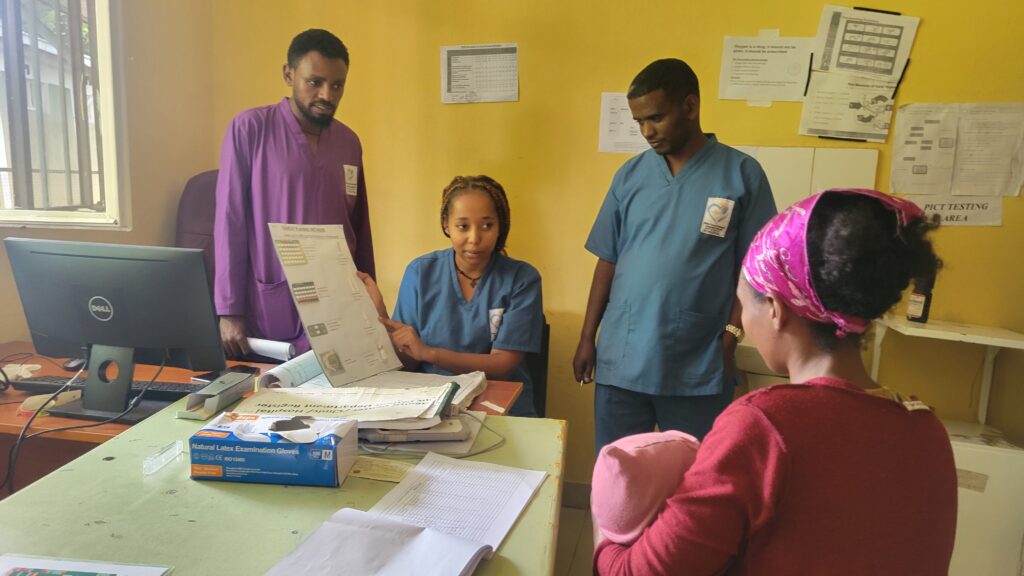
Listening, Learning, and Centering Women
Through EngenderHealth’s RMNCH+PPFP project, Olaniciti Primary Hospital began a whole-of-facility transformation. On-site mentorship, integration of postpartum family planning (PPFP) across services, adoption of the E-MOTIVE PPH bundle, use of calibrated drapes, strengthened data systems, and active community engagement reshaped how care was delivered.
But the most visible shift was in women’s experience.
Family planning counseling is now introduced during antenatal visits, reinforced during delivery, discussed again before discharge, and revisited at postnatal follow-up. Using the REDI framework, providers practice respectful, client-centered communication—asking about women’s plans, concerns, and preferences.
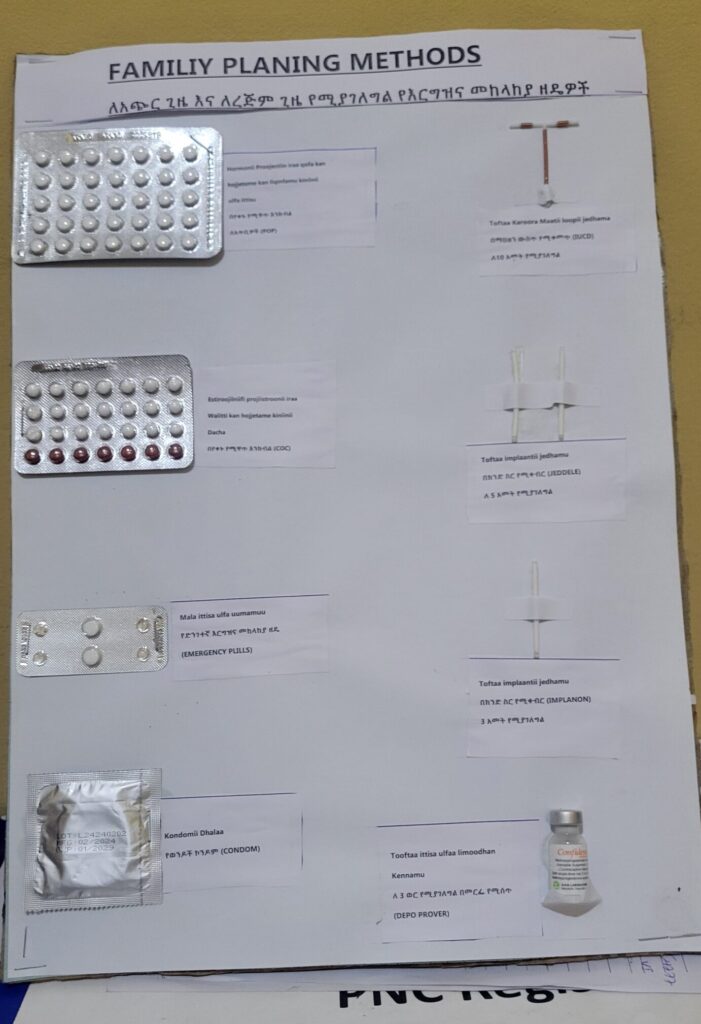
“We wanted family planning conversations to be a normal part of care—not something separate or taboo,” said Terecha Deme.
Women began to notice the difference.
“Now they talk to us at every step,” one new mother explained. “They ask what we want. They give us time.”
Accuracy that Protects Mothers
In delivery rooms, another transformation was taking place. Calibrated drapes replaced visual estimation to accurately measure blood loss after childbirth.
“Using calibrated drapes for every birth transformed how we detect and respond to bleeding,” said Diriba Zewde, Head of Labor & Delivery. “We’ve moved from guessing to knowing, from reacting to preventing.”
For women, this meant closer monitoring and quicker responses.
One mother recalled:
“They were watching me carefully. I felt safe.”
Repeated mentorship strengthened provider confidence and teamwork.
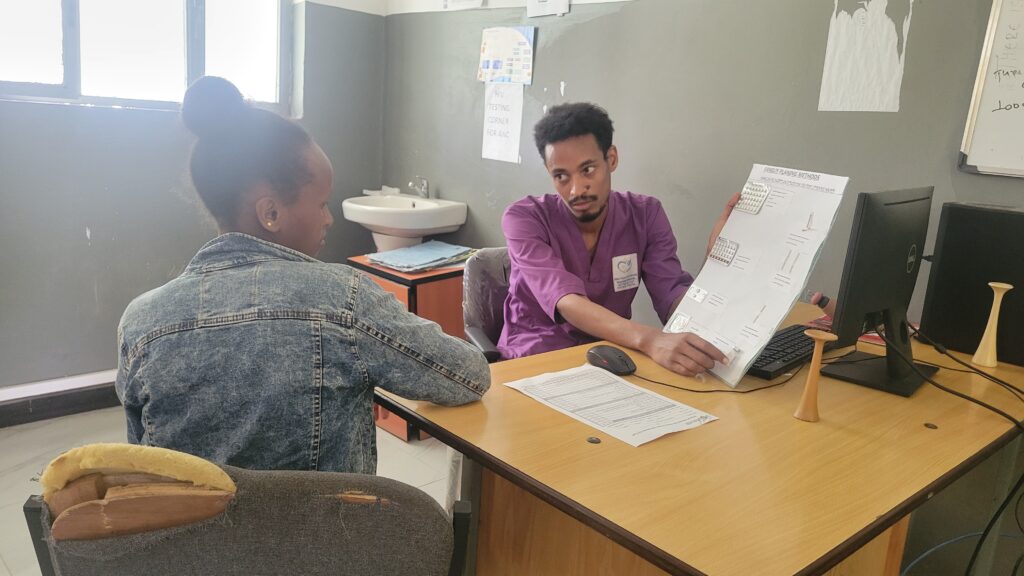
Ashenafi Nigussie, Head of Nursing & Midwifery, shared:
“Change didn’t come from external support alone—our leadership motivated us and made it a team effort.”
Building Trust Beyond the Facility
Recognizing that change required more than clinical improvement, the hospital engaged religious and community leaders to address myths and normalize conversations around family planning. These dialogues created safer spaces for women and families to ask questions and seek clarity.
“Women appreciate being informed and supported to make their own choices,” said Fetiya Ibrahim, a midwife.
Gradually, women’s expectations shifted. Counseling is no longer surprising—it is anticipated. Women report feeling more respected, more informed, and more involved in decisions about their health.
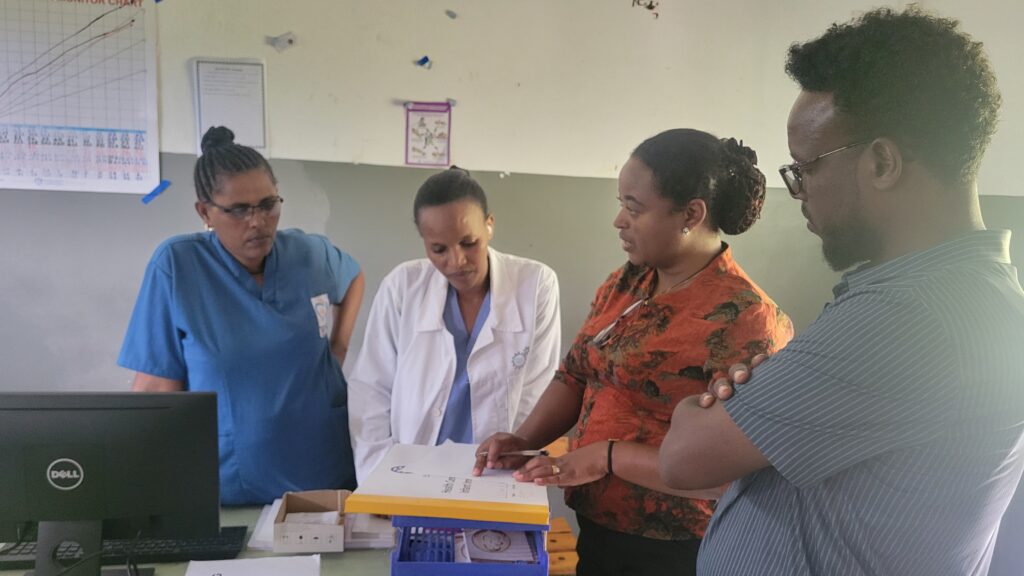
Collective Transformation
The transformation at Olaniciti Primary Hospital is not defined by a single success story—it is reflected in the shared experiences of many women who now walk into the facility expecting respectful counseling, accurate care, and safe delivery.
As Terecha Deme emphasized:
“We’re not just improving services—we’re giving women the confidence and care they deserve.”
Together, their voices tell a story of integration, precision, partnership—and a system that is learning to center women at every step.