
Losing the Gains: How USAID’s Exit Is Widening Health Gaps for Communities in Ebonyi State, Nigeria
By Stanley Osayi, EngenderHealth Nigeria
In Ebonyi State, Nigeria, USAID was not just supporting a handful of health projects. It served as the anchor of the entire healthcare system, ensuring communities had access to lifesaving medicines, well-trained providers, reliable data systems, and comprehensive care.
From malaria and HIV to family planning, maternal care, tuberculosis, and health worker training, USAID-supported programs touched nearly every level of the health system. For decades, these investments made it possible for women to give birth safely, for children to be treated for malaria, and for people living with HIV to access life-saving medicine—care provided to them no matter their income.
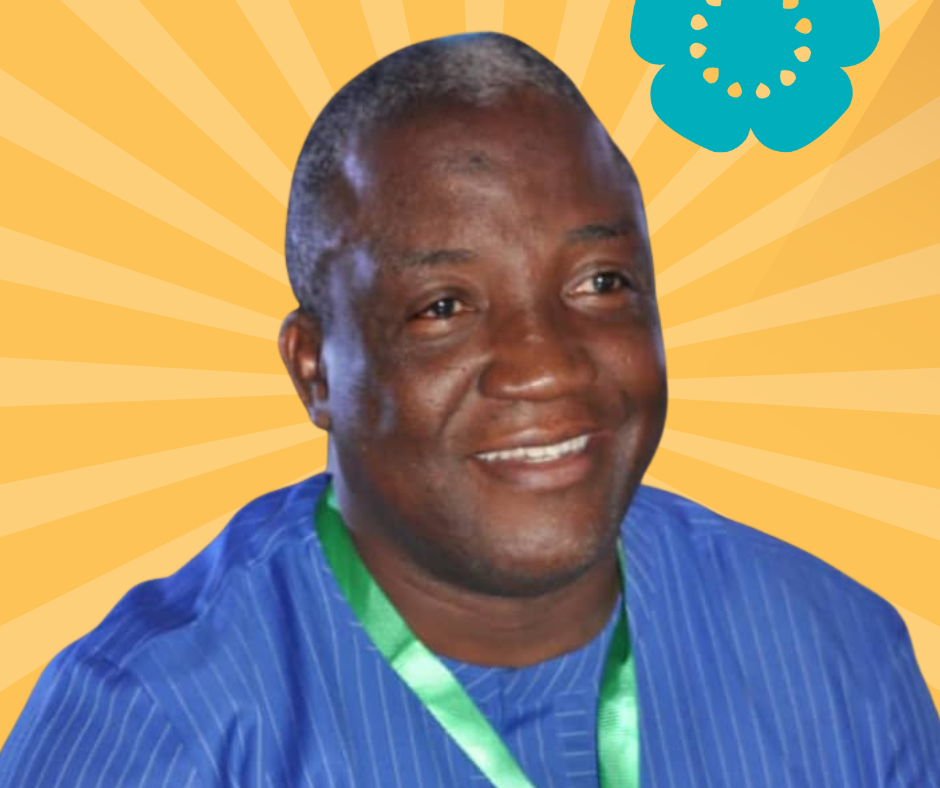
Emmanuel Ogharu, State Ministry of Health’s Reproductive Health Coordinator in Ebonyi State, Nigeria
But in early 2025, USAID abruptly pulled its funding, halting ongoing work across Nigeria. The loss was immediate and widespread and, while the entire community has felt the impact, it is the poorest families who have been hit the hardest.
Emmanuel Ogharu, State Ministry of Health’s Reproductive Health Coordinator in Ebonyi State, shares what he’s seen firsthand in the fallout of USAID’s rapid departure in his community.
How Families Are Coping Without Health Aid
Emmanuel remembers that, before the cuts, families could walk into a clinic and receive essential care: if their child had malaria, they could get antimalarial medicine; if a woman needed contraception, it was available; if someone was living with HIV, they had access to lifesaving antiretroviral drugs. Tuberculosis treatments, maternal health supplies like uterotonics for inducing labor, and protective equipment were all supplied free of charge. Health workers were regularly trained, and clinics received supportive supervision to ensure quality care. Data systems were in place to track and respond to health needs in real time.
But today, the community faces a different reality.
“Essential medicines have stopped arriving. The supervision visits that kept clinics accountable and staff motivated have ended. Our data systems are stalling, and the quality of care is declining,” Emmanuel explains. “The people suffering the most are those already on the margins—women, children, and the poor. They are being pushed further behind.”
The Health Inequality Gap is Growing
In the wake of the USAID funding cuts, the gap between those who can access care and those who cannot is growing wider each day. For the poorest families, even basic health services feel out of reach.
“The poorest can no longer afford care,” Emmanuel says. Patients arrive to find fees for what used to be free, forcing many people to leave without treatment.
“A mother may skip her own health needs to feed her children. A child with malaria might be treated at home with home remedies or herbal treatments instead of antimalarial medicine. A woman who wants contraception might find none in the clinic.”
Nigeria’s income inequality compounds this crisis. Nearly 40% of the population in Nigeria lives below the poverty line, mostly in rural areas with limited access to services. While wealthier families can still pay for private care or purchase medicines, low-income communities face an impossible burden.
When Health Systems Break, the Poorest Fall First
At the beginning of this year, seven major USAID-supported programs were running simultaneously in Ebonyi State—ranging from the Presidential Malaria Initiative and health workforce training to HIV-focused efforts like PEPFAR, which provided critical funding and support for HIV prevention, treatment, and care services—creating a coordinated system that addressed multiple health issues across the entire state.
The level of coordination that USAID helped create was something rare: a functional, responsive system that reached people wherever they were. USAID helped strengthen the Ebonyi State health system from the inside out by training staff, building physical systems, creating accountability, and delivering services where they were most needed.
So when USAID funding ended suddenly, it didn’t just pause one stream of support, it affected the entire system and the many projects that were being implemented. The sudden loss of USAID support in Nigeria is not just a budget cut, it is a loss of critical resources and momentum that jeopardizes health outcomes for millions.
The result is a widening health inequality gap, where those with means continue to access care, while those without are quietly left behind. Emmanuel hopes for an urgent restoration of lifesaving medicines and support for data systems.
Without swift action to restore crucial support, those left behind in Ebonyi State will face even greater health disparities and the widening gap threatens to undo years of progress that once supported so many people.
The loss of USAID funding has put millions at risk—but the need for quality health care in places like Ebonyi State hasn’t disappeared. EngenderHealth remains, working with local partners to keep services going, even in the face of immense challenges. We’re urging global leaders to restore critical support. Join us in taking a stand.