
How Akesta General Hospital is Expanding Informed Choice for Women in Ethiopia
By Bekele Ayalew, Gebeyehu Asire, Ambaye Tilahun and Nardos Delelegn, EngenderHealth Ethiopia
In Ethiopia’s Amhara Region, Akesta General Hospital serves women from rural communities where distance, transportation barriers, and limited access to routine care shape nearly every health decision.
For many families, childbirth is one of the few moments when women are in sustained contact with the health system. That encounter should be a powerful opportunity to support women’s health, protect newborns, and help families plan for the future. But for years, that opportunity was only partially realized at Akesta.
Closing Gaps in Women’s Care
Postpartum family planning is a proven, essential part of maternity care that helps reduce unintended pregnancies, support healthy birth spacing, and improve outcomes for mothers and newborns. Yet, it was being treated as an optional add-on, rather than an essential component of maternity care.
Between July 2024 and March 2025, uptake of immediate postpartum family planning ranged from 0 to 15%, averaging just 5% per month. In practical terms, most women delivered at the hospital and returned home without deciding to partake in a voluntary family planning method, even though they were already in contact with the health system at a critical moment in their lives.
Akesta’s experience mirrored a broader regional pattern.
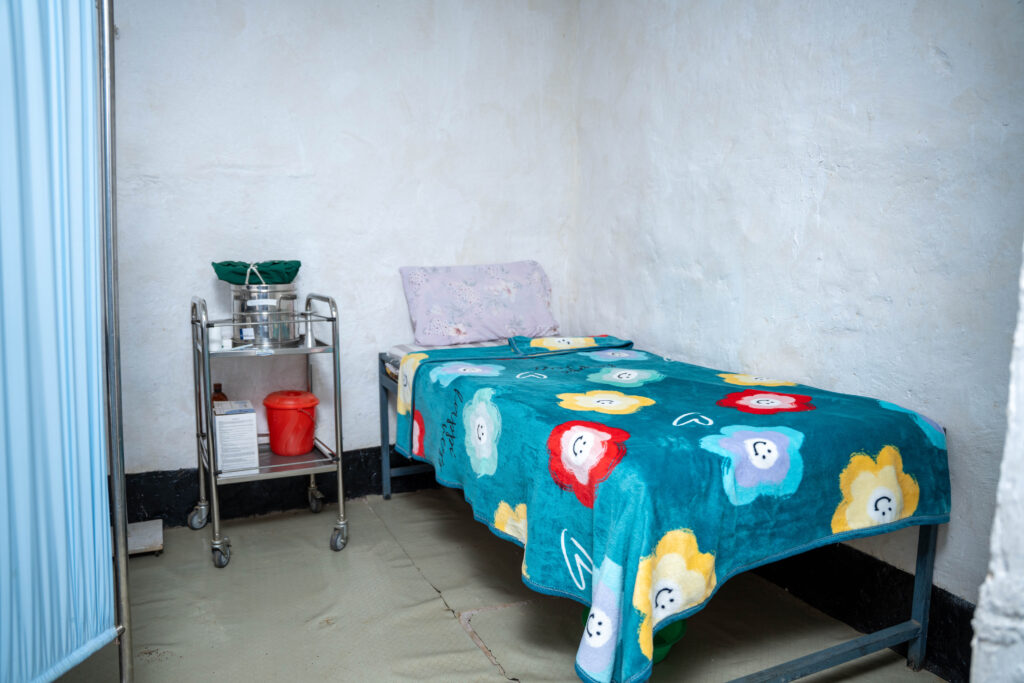
Across the Amhara region, immediate postpartum family planning (IPPFP) uptake hovered between 3% and 5% during the same period. Providers often felt uncertain about counseling, conversations were inconsistent, and documentation of informed choice was weak. Counseling rarely followed women across pregnancy and antenatal care, delivery, postnatal care, and immunization visits. As a result, many critical opportunities were simply lost.
Equipping Providers to Lead
Change began when EngenderHealth’s Integrated RMNCH+PPFP Scale-Up Project started to work alongside the hospital rather than imposing a new system from outside. The approach focused equally on people, processes, and leadership.
Providers received practical training on high-quality counseling, method options, and respectful care. This was not a one-time workshop. Ongoing mentorship helped clinicians translate what they learned into daily practice, especially in busy wards where time pressure had previously discouraged deeper conversations with women.
At the same time, the hospital introduced simple but powerful counseling and follow-up tools. These tools required providers to document whether a woman was counseled, what method she chose, and whether she received it. Over time, this shifted practice from informal conversations to consistent, accountable care. Missed opportunities became easier to see and harder to ignore.
Hospital leadership also became more visibly engaged. Through regular dialogue with regional and zonal health authorities, postpartum family planning was reframed as a shared institutional priority rather than the responsibility of a single unit or a few midwives. Unit heads began reviewing the hospital’s performance together, creating a culture of collective problem-solving rather than assigning blame.
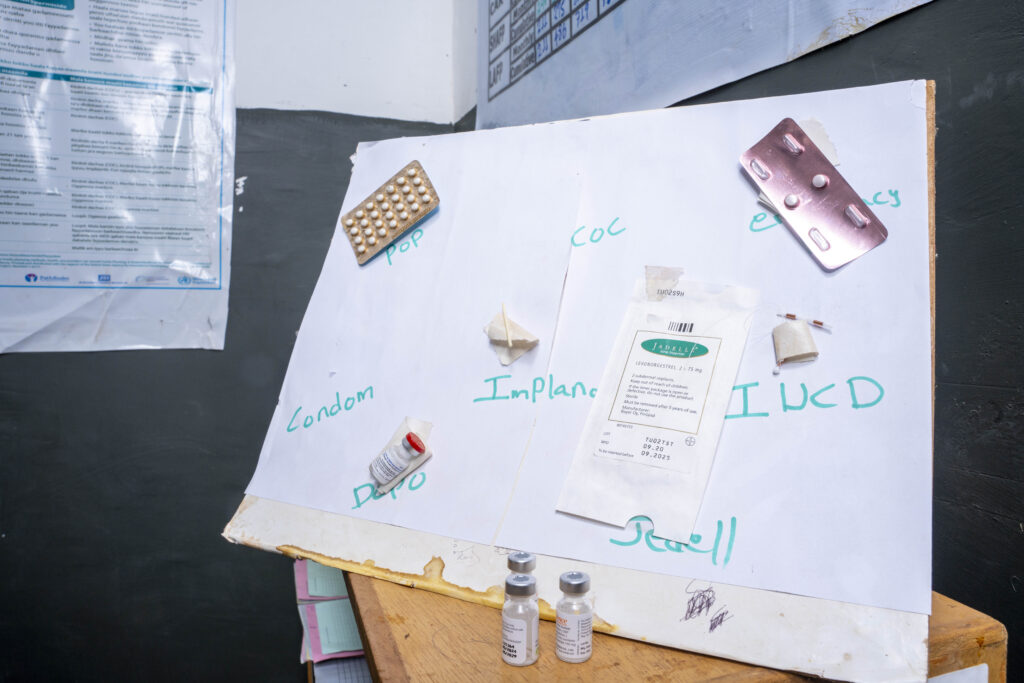
Perhaps most importantly, family planning counseling was intentionally woven into the entire continuum of care. Women encountered consistent messages during antenatal visits, labor and delivery, postnatal check-ups, and child immunization appointments. Instead of a single, rushed conversation after birth, counseling became a continuous process rooted in trust.
A Rapid Turnaround in Patient Care
The results followed quickly.
From November 2024 to March 2025, IPPFP uptake remained stuck between 0-8%, averaging 5%. By contrast, from April to August 2025, average monthly uptake climbed to 55%. By August, performance reached 85%, and by December it rose to 91%.
In just months, Akesta General Hospital moved from being a low-performing site to a regional example of integrated, client-centered postpartum family planning. More women left the facility with a voluntary family planning method, clearer information, and greater confidence in their choices.
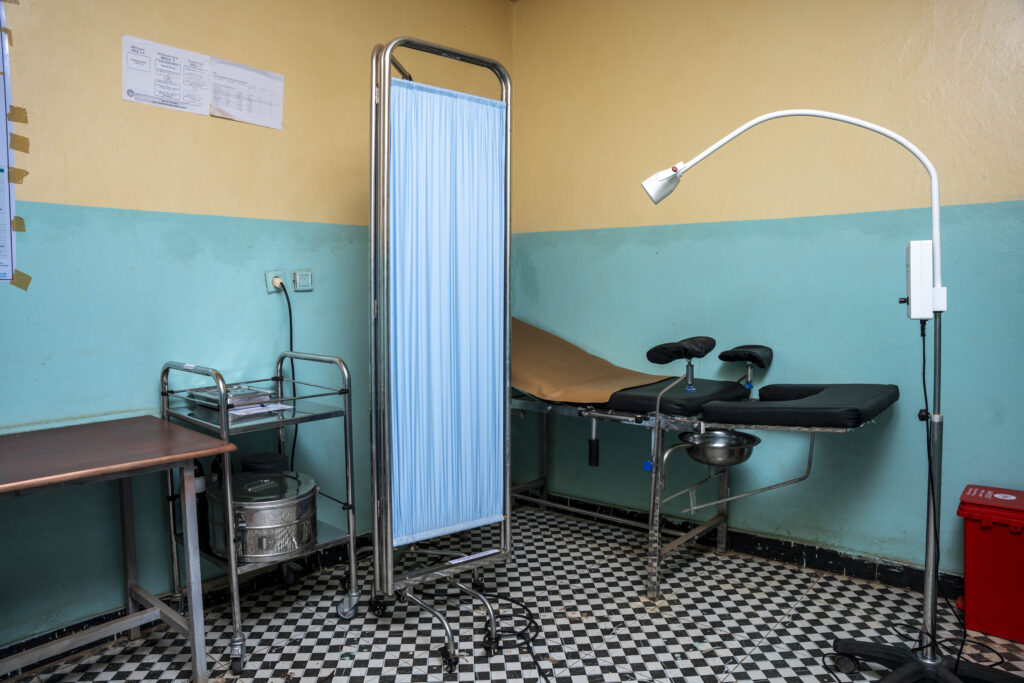
Sustaining Progress for the Future
The transformation was not only numerical. Providers reported greater confidence in counseling and a stronger sense of professional pride. Documentation of counseling and method choice during late pregnancy and the postpartum period became more reliable, strengthening both care and data quality.
The hospital launched its own quality improvement initiative to monitor trends and share lessons with other facilities in its catchment area. Collaboration between antenatal care, delivery, postnatal care, and immunization units improved markedly, creating a shared responsibility for ensuring that every woman receives respectful, informed, and voluntary family planning care.
Akesta’s experience shows that increasing postpartum family planning is not simply a matter of training. It requires aligned leadership, practical tools, integrated services, and genuine provider ownership. When these elements come together, even facilities with historically low performance can achieve rapid, meaningful, and sustainable change for women and families.