
Bringing Contraceptive Choice Closer to Home: The Hormonal IUD Revolution in Nigeria
In the hills and farmlands of Pankshin, Shendam, Mangu, and beyond, a project is introducing more family planning options for Nigerian women.
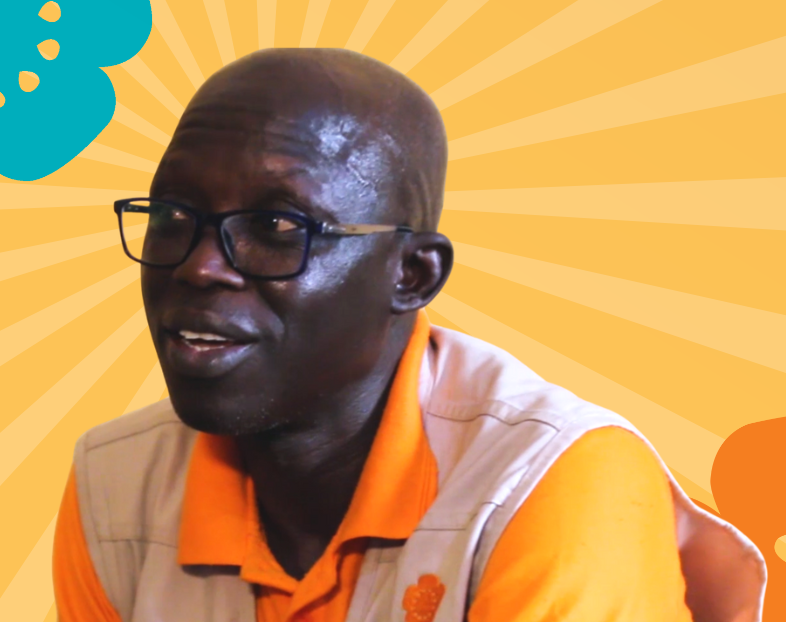
Dr. Simon Audu, Champion of Hormonal IUD access in Nigeria.
Not long ago, modern contraceptives like the Hormonal Intrauterine Device (HIUD) were out of reach for most women living in the rural Plateau State.
For many, the only option was to travel long distances to the Jos University Teaching Hospital (JUTH)—a journey most couldn’t afford, financially or physically.
The HIUD was seen as a method reserved for the rich or the elite. It was simply not an option for everyone else.
Hormonal IUDs: A Life-Changing Solution
The Hormonal IUD (HIUD) is more than just a contraceptive. It offers up to five years of protection, minimal side effects, and has added health benefits like reduced menstrual bleeding and less pain. For women juggling childcare, work, education, and economic opportunities, it is a game-changer.
But for years, women in rural Nigeria were denied the chance to choose it—not because they didn’t want it, but because they couldn’t access it.
Bridging the Divide: The Hormonal IUD Scale-Up Project
That reality is changing, thanks to the Hormonal IUD Scale-Up Project, led by EngenderHealth in partnership with local health authorities. In just five months since the project started, the once-rare HIUD has gone from being a hospital-only option to a community-available service.
“Trained providers across multiple local government areas are now offering Hormonal IUD services to women in need,” says Dr. Simon Audu, one of the health professions involved in the project.
Doctors, nurses, and Community Health Extension Workers (CHEWs) have been trained, equipped, and supported to provide this method safely and effectively in 23 facilities across Plateau State.
What was once a distant dream is now available at a nearby health center.
From Luxury to Local Option: What Access Really Looks Like
This isn’t just about availability—it’s about equity. For the first time, rural women are accessing a contraceptive method that fits their needs, their lives, and their bodies. No long trips. No prohibitive costs.
Frontline providers report a wave of women rushing to clinics, eager for a method they’d only heard of before, if at all. Demand is soaring—not because of aggressive marketing, but because women are eagerly choosing this method for themselves.
Over the past seven months, the number of hormonal IUD insertions has skyrocketed from 49 to over 705. That’s more than 700 women who now have the power to plan their futures.
But access is only the beginning. The real transformation lies in the shifting social landscape:
- Male partners are getting involved, attending counseling sessions and supporting decisions once considered taboo.
- Religious and traditional leaders are becoming allies, advocating for women’s health as a community issue.
- Local providers are becoming champions, not just delivering services but inspiring confidence and dignity.
“We are seeing a cultural shift toward supporting women’s health decisions,” says Dr. Audu. “That’s where true change happens.”
What’s Next: Building on the Momentum
The success in Plateau State holds lessons—and hope—for the rest of Nigeria. But progress like this doesn’t sustain itself.
It requires:
- Continued investment in training, supervision, and well-stocked supply chains
- Policy support that removes legal barriers and prioritizes women’s reproductive health
- Community engagement to build trust and fight misinformation
Because every woman, no matter where she lives, deserves the right to make decisions about her own body.
The Hormonal IUD is no longer a luxury. It’s a symbol of what is possible when health systems work, when communities lead, and when reproductive health access is seen as a right, not a privilege.