
Bold Leadership and Committed Staff: Transforming Immediate Postpartum Family Planning at Dilla University Hospital
By Erkiyhun Ketema, Tesfaye Ordolo, and Nardos Delelegn, EngenderHealth Ethiopia
Every day, women arrive at Dilla University Teaching and General Hospital in southern Ethiopia to give birth. Many women leave with healthy newborns in their arms. Yet too often, they used to depart without a conversation that could shape their own health and future: voluntary postpartum family planning.
Although the hospital had trained their providers on Immediate Postpartum Family Planning (IPPFP), the service had never truly taken root. Month after month, performance reports showed the same stark reality: zero uptake. A critical window for healthy birth spacing was consistently being missed.
A Turning Point in Leadership
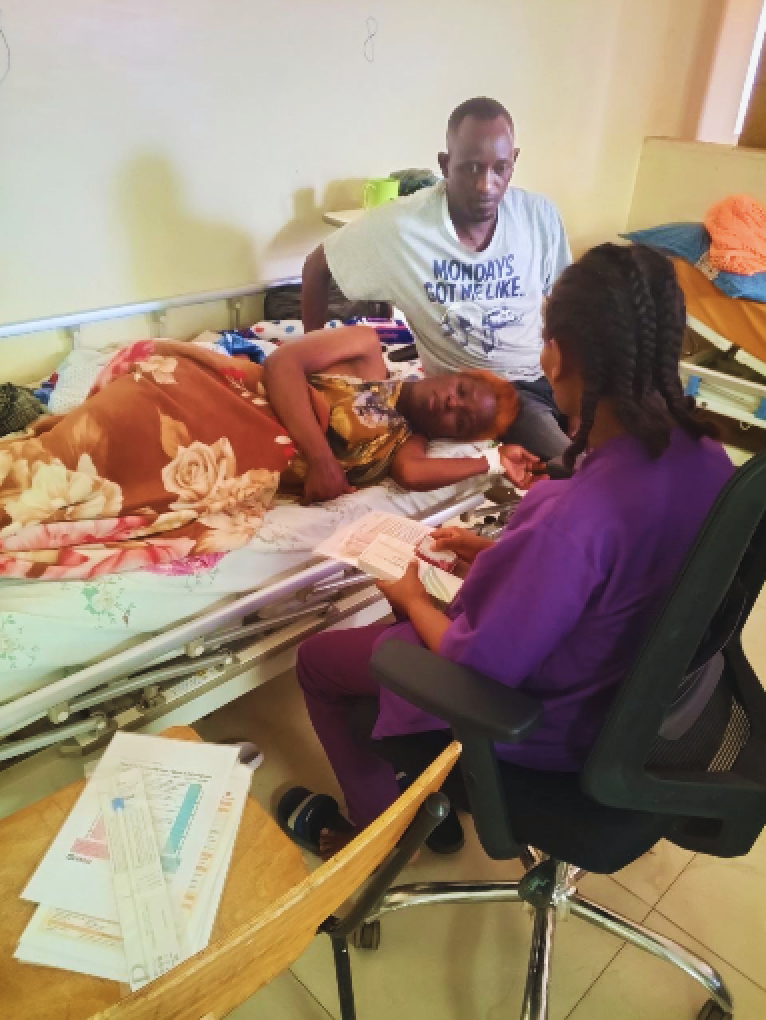
In June 2025, hospital leadership chose a different path. Rather than accepting stagnant results, they formally integrated IPPFP into the hospital’s Quality Improvement (QI) project, signaling that postpartum family planning was no longer optional, but a critical part of essential care.
This decision marked a shift from intention to accountability. Maternal health leaders, clinicians, and managers committed to understanding why services had failed to take hold and what could be done differently.
A rapid internal review made one thing clear: providers were capable, but the system was not.
There were no standardized counseling tools to guide conversations. Documentation was inconsistent. No one had clear responsibility for coordinating IPPFP. And perhaps most importantly, there was no private space where women could speak openly about family planning.
Rather than introducing expensive solutions, the team chose a practical, facility-led QI approach by testing small, realistic changes that fit Dilla’s context.
Small Changes, Big Shifts
The transformation began where births happen: in the labor ward.
A simple IPPFP counseling checklist was introduced to guide providers on when and how to discuss postpartum family planning. Each day, the checklist was reviewed together—not as punishment, but as support. Over time, uncertainty gave way to consistency.
While reviewing the checklist, the team looked earlier in the care continuum. “Why wait until after delivery?”
So the team moved upstream in the care journey. Instead of waiting until after delivery, IPPFP counseling was integrated into antenatal care (ANC) records. Women began hearing about their options while pregnant, allowing them to reflect, ask questions, and prepare for decisions after birth.
To sustain momentum, the hospital appointed a dedicated IPPFP focal person to coordinate services, mentor colleagues, and lead weekly performance reviews. Challenges that once lingered for months were now addressed in days.
Then came a subtle but powerful change: a private counseling space was designated inside the maternity unit. In this quiet setting, women could speak freely, share fears, and make informed choices with dignity.
From Zero to Sixty
The results came quickly.
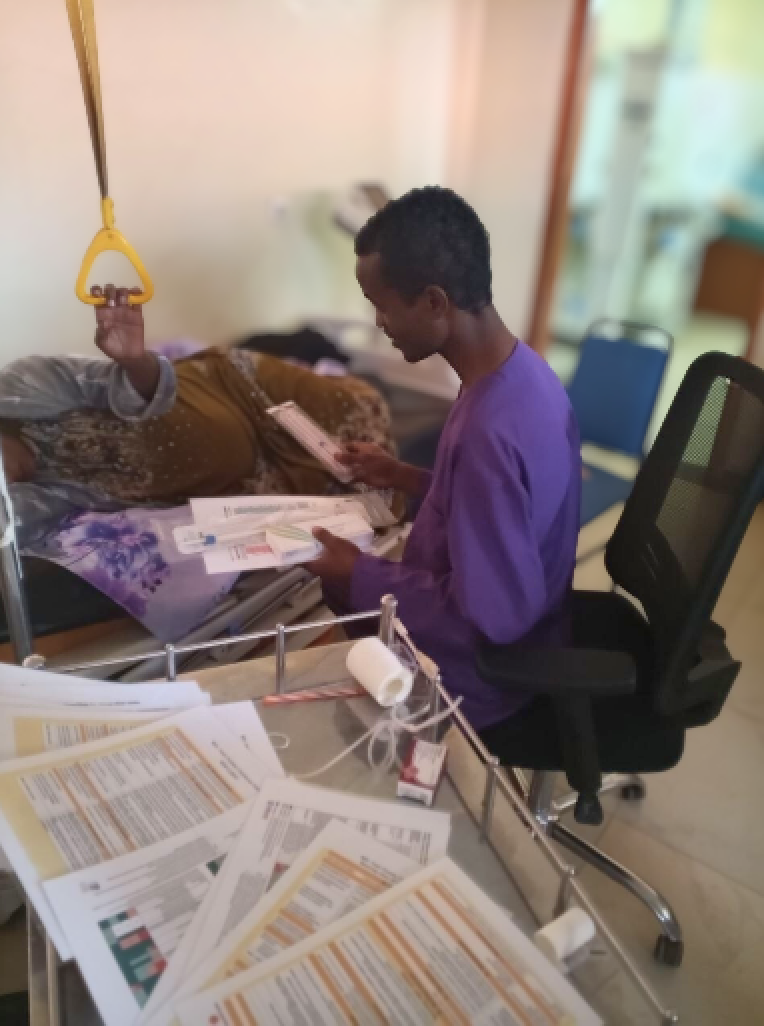
Within just a few months, IPPFP uptake jumped from 0% to 60%. This was a dramatic shift that demonstrated what is possible when systems, leadership, and staff align around quality care.
Providers reported greater confidence and ownership. Women arrived in the postpartum period better informed, having already discussed family planning during pregnancy. The private counseling space strengthened trust and satisfaction.
What had once been a missed opportunity became a routine part of respectful maternal care.
Building on What Works
The work done at Dilla University Teaching and General Hospital demonstrates that meaningful change doesn’t always require more resources; sometimes it requires better systems, clear roles, and thoughtful attention to the people those systems serve.
Simple, practical tools like counseling checklists can create consistency, giving providers confidence to deliver care reliably. Introducing family planning counseling early, during antenatal visits, builds trust and helps women feel informed and prepared for postpartum decisions. When responsibility is clearly assigned—from a dedicated focal person to team-led performance reviews—progress is sustained and challenges are solved quickly. Creating private spaces for counseling further strengthens quality, allowing women to ask questions, share concerns, and make choices with dignity. And when the team regularly reflects on successes and setbacks, improvement becomes continuous, not temporary.
Through bold leadership, committed staff, and a focus on practical, people-centered solutions, Dilla turned a stalled service into a model of integrated postpartum care. Today, more women leave the hospital not only with healthy babies, but with informed choices that protect their health, wellbeing, and future.