
Left to Suffer: The Hidden Crisis of Obstetric Fistulas


By Anna Pappas for EngenderHealth
Yesmin was 12 years old when she was married. Within a year, she was pregnant.
Married early in an attempt to secure her family’s economic future, Yesmin’s planned to deliver at home but labored for a full day without progress. She eventually was taken to a hospital where she received a blood transfusion, lost consciousness, and had to be catheterized for nine days.
Upon waking, she learned that her child was stillborn.
Though doctors recommended that she remain in the hospital to recover, her husband arranged for a hospital cleaner to remove Yesmin’s catheter, and she was taken home prematurely.
After returning home, Yesmin quickly realized that she was leaking urine and had developed a fistula.
What is a Fistula?
If you have never heard of a fistula before, you are not alone.
An obstetric fistula is a childbirth injury caused by prolonged, obstructed labor without timely medical care. It can leave women incontinent and facing stigma, isolation, and loss of income and support.
An estimated half a million women are living with fistulas worldwide, many waiting years for care that could transform their lives. Yet this injury is both preventable and treatable with access to safe and timely surgery.
Obstetric fistulas are most common in low-income settings, accounting for 80-90% of all cases. Acquired genital fistulas are exceedingly rare in high-income countries like the United States, where access to emergency obstetric care means that obstructed labors are managed before tissue damage can occur through cesarean sections. In the rare cases that do occur, provider knowledge and prompt surgical repair mean that women seldom live with the condition for long.
Fistulas are, in this sense, a health condition rooted in inequality, highlighting the gap in access to care between the world’s wealthiest and poorest countries.
The Connection between Fistula and Child Marriage
Obstetric fistulas disproportionately impact young women whose bodies were not fully developed at the time of pregnancy, many of whom also face significant barriers to medical care.
Child marriage remains remarkably prevalent in many regions throughout the world. It is recognized as a form of gender-based violence, or an act that is perpetuated by harmful gender norms that affects millions of young women globally.
Countries such as Bangladesh, where Yesmin is from, have some of the highest rates of child marriage in the world, with more than half of girls being married before the age of 18. Poverty is a driving factor, as many families cannot provide for their young daughters and view marriage as an opportunity to secure their future. The consequences of child marriage are profound, encompassing devastating impacts on a person’s mental, sexual, and physical health.
Yesmin’s experience reflects the layered impact of gender-based violence: married before she was ready, pregnant before her body had fully developed, and ultimately left with a debilitating and stigmatized condition that would come to define the next years of her life.
How are Fistulas Repaired?
Up to 90% of fistulas can be repaired through surgery. However, in many low-income countries, few surgeons are trained in fistula repair, medical supplies are limited, and necessary technologies are often unavailable.
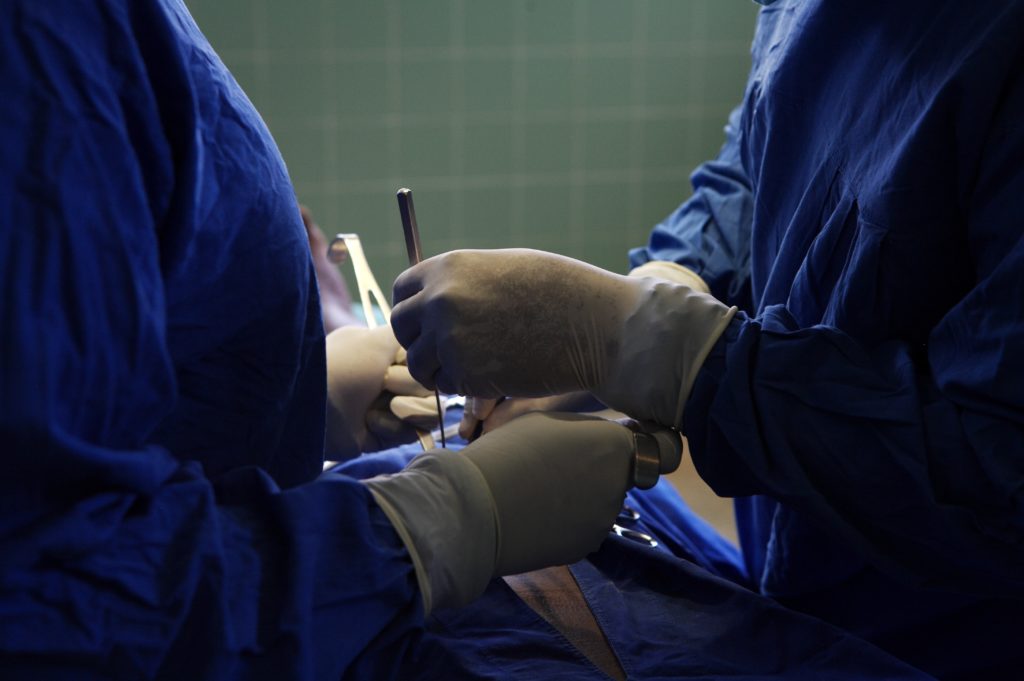
When Yesmin realized that she was leaking urine, she returned to the local health center only to be told that she would need to seek treatment at a larger hospital. She did not have the funds for this and had to postpone her care. After three years of dealing with intense social stigma, a miscarriage, and being abandoned by her husband, Yesmin learned about fistula repair surgeries being offered at an EngenderHealth-supported hospital.
Finally, after years of isolation and trauma, she had her surgery and was able to reclaim her life.
Expanding Access to Care and Recovery
For decades, EngenderHealth operated programs designed not only to provide repair surgery but also to provide preventative services. Through years of work with partners around the world, EngenderHealth supported more than 50,000 fistula repair surgeries and helped train tens of thousands of healthcare professionals in fistula prevention and care. Through these programs, EngenderHealth not only restored women’s lives, but also strengthened the capacity of health systems in some of the world’s most under-resourced countries to identify, treat, and prevent the condition independently.
Yesmin’s experience underscores two urgent needs: sustained funding for fistula repair and stronger protections against child marriage.
Without EngenderHealth’s fistula program, made possible by USAID funding, Yesmin could not have accessed the surgery she needed. Her story also illustrates how child marriage and obstetric fistulas are not separate issues, but part of the same cycle of gender-based violence. Addressing both together is essential to protecting the health, dignity, and rights of girls and women worldwide.
Global progress to end fistulas has been disrupted as key programs have been forced to close following the closure of USAID, leaving many women without access to care.
Obstetric fistulas are, at their core, a condition rooted in inequality. Yesmin’s journey, from a child bride in rural Bangladesh to waiting years for surgery, is not an anomaly. It is the reality of hundreds of thousands of women and girls around the world.
The solutions exist. What’s at risk is whether women can access them. Fistulas are treatable. Child marriage is preventable. What remains uncertain is whether women can access the care they need. EngenderHealth is working to protect access to fistula care and help ensure more women are not left waiting for life-changing surgery.