
Countering the Antichoice Movement: Lessons from Ethiopia’s Next Generation of Abortion Providers


Unsafe Abortions Persist Despite Legal Access in Ethiopia
Ethiopia has made notable progress in expanding legal provision and access to safe abortion care (SAC) since 2005. But unsafe abortions remain common: 47% of women and girls seek abortion care outside health facilities, often in unsafe conditions.
Why? Provider refusal is a major barrier. Many young healthcare professionals bring community stigma, religious beliefs, or judgment into their practice. A lack of understanding of national abortion laws and the severe complications of unsafe abortion compounds the problem. And because the law allows some provider discretion, individual biases often determine whether a woman receives care.
This gap is exactly what antichoice movements exploit. Increasingly, they target young health workers through schools, journals, and professional associations—shaping the future of healthcare in Ethiopia.
“My view and belief on abortion care were shaped by religion, culture, and social norms. However, the most important factor is the choices the mother makes when facing an unintended pregnancy.”
— Participating Medical Intern
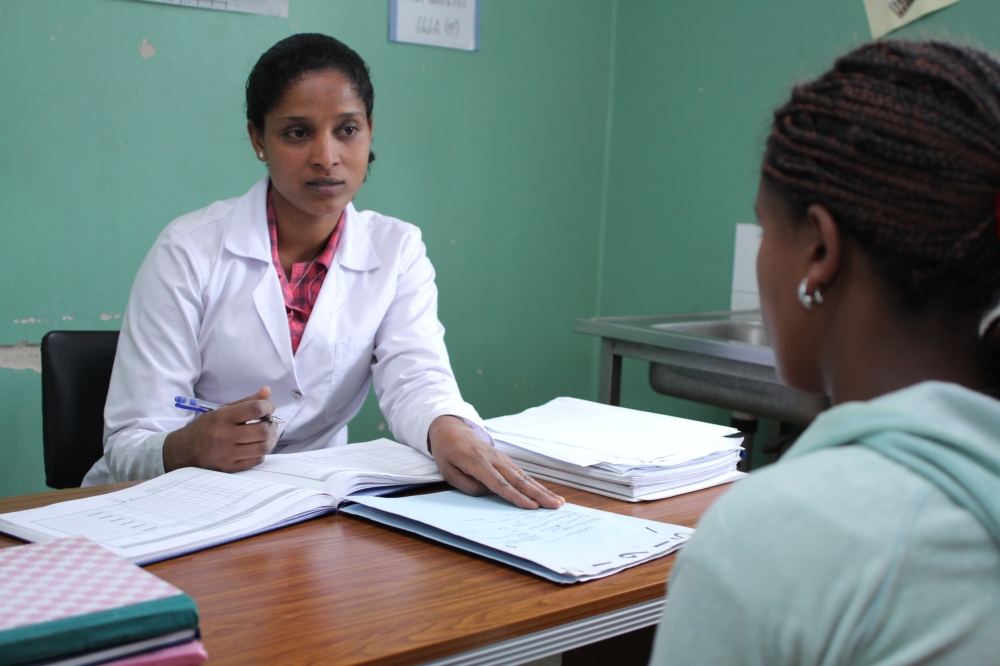
How Ethiopia is Training Young Providers to Counter Abortion Stigma
To protect women’s health and rights, EngenderHealth, with support from the David and Lucile Packard Foundation, launched the Destigmatizing Safe Abortion Care (SAC) Among Health Professionals in Ethiopia program, designed to counter the antichoice movement and expand access to compassionate, stigma-free care.
The program worked with women- and youth-led organizations, professional associations, and Yetena Weg (a digital media network of health professionals) to:
- Deliver digital trainings and webinars (16+ hours) with values clarification exercises to help providers confront bias.
- Apply Gender, Youth, and Social Inclusion (GYSI) tools to ensure inclusive, gender-transformative, and youth-friendly approaches.
- Run digital advocacy campaigns on X (formerly Twitter), Telegram, and Facebook, reaching over 500,000 people each quarter.
- Strengthen coalitions of medical professionals to embed evidence-based safe abortion care advocacy into annual conferences and summits.
- Support the Ministry of Health by tracking antichoice activity and engaging parliament and women’s caucus groups in safe abortion care advocacy.
From Judgment to Compassion: Providers Share Their Transformations
The program directly addressed the biases that young healthcare providers carry into their work.
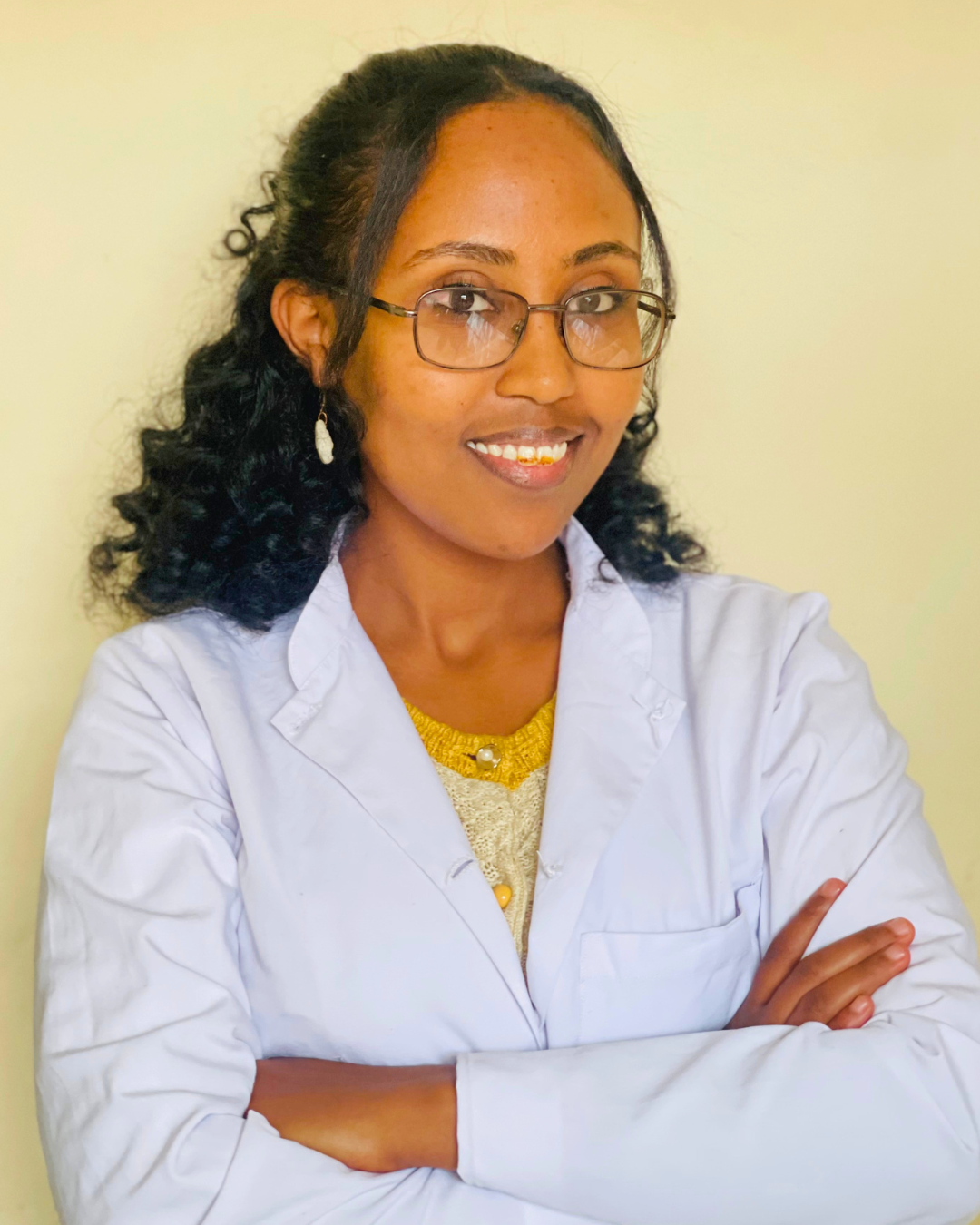
“In our community, cultural norms and beliefs tend to view abortion as unacceptable and a moral transgression. Given that healthcare providers are members of this same community, we bring these prevailing perspectives with us to our workplace. The community’s cultural beliefs made me judgmental about the services and the clients. I tended to judge whether the woman seeking abortion services ‘deserved’ care based on her circumstances, rather than approaching it without bias. The group discussions during the training were instrumental in helping me overcome these preconceptions and commit to providing safe abortion care to all who need it, without judgment.”
— Dr. Hymanot, healthcare provider
Providers described the experience as transformative:
“The exercise provided me with the opportunity to gain a deeper understanding of the importance of safe abortion services and the ethical considerations surrounding reproductive healthcare… it shifts my perspectives, fostering a more supportive and compassionate approach to providing safe abortion services.”
— Thiyanga, healthcare provider
Key Results: 500,000 Reached and Young Providers Reframe Abortion Care
- 500,000+ people were reached each quarter with sexual and reproductive health and safe abortion care information through digital campaigns.
- 167 young health professionals were trained (60.5% female).
- Participants reported greater confidence, improved communication skills, and stronger commitment to stigma-free care.
- Providers described moving from judgment to compassion, seeing abortion as a matter of client rights, not provider discretion.
Why Investing in Young Providers is Critical for Safe Abortion Care
According to the Guttmacher Institute, an estimated 99 million unintended pregnancies occur each year globally. It is also estimated that 41% of all pregnancies in Ethiopia are unintended, with 31% of those ending in abortion. While laws have improved access to safe abortion care, stigma and provider discretion keep many women from care.
Antichoice movements are exploiting these barriers, especially by targeting young health workers. Ethiopia’s experience demonstrates that investing in the next generation of providers is critical to safeguard reproductive rights and ensure women receive safe, respectful care.
“Seeing firsthand the impact of restrictive cultural norms on individuals’ reproductive health choices reinforced my commitment to advocating for safe abortion services and challenging these barriers within our community.”
— Thiyanga, healthcare provider
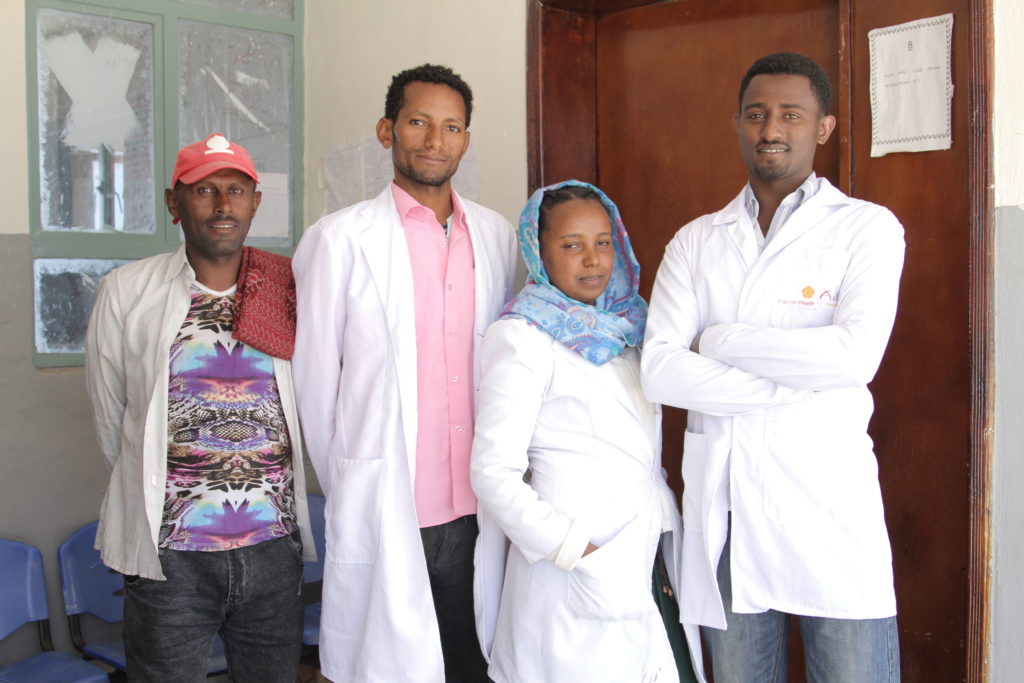
Lessons for Scaling Abortion Stigma Reduction Globally
Capacity building matters.
Training young providers is not just about clinical skills—it’s also about helping them develop the confidence, empathy, and commitment to provide client-centered care. Values clarification exercises and mentorship proved especially powerful in shifting attitudes and ensuring that safe abortion care is delivered without judgment.
Digital strategies are powerful.
In Ethiopia, online platforms like X, Telegram, and Facebook proved to be cost-effective and scalable ways to reach both healthcare providers and the wider public. These strategies resonate strongly with youth audiences, helping to counter misinformation where it often spreads the fastest.
Coalition advocacy is essential.
Destigmatizing abortion cannot be achieved by providers alone. By working through professional associations, women- and youth-led organizations, and national coalitions, the program strengthened accountability and created a united front to push back against organized antichoice campaigns.
Investing in the next generation has long-term impact.
Young health professionals will shape the future of Ethiopia’s health system—and the same is true in every country. Addressing stigma and bias early in their careers ensures that future providers everywhere are equipped to deliver safe, respectful abortion care and uphold women’s rights for generations to come.
Ethiopia’s Model Offers a Blueprint for Other Countries
Our work in Ethiopia shows that it is possible to shift mindsets, reduce stigma, and prepare young professionals to deliver care without judgment.
Legal access is not enough. Safe abortion care must be stigma-free, client-centered, and universally available. By equipping the next generation of providers, Ethiopia offers a blueprint for other countries facing similar challenges: build knowledge, confront bias, and empower healthcare workers to protect women’s rights and dignity.
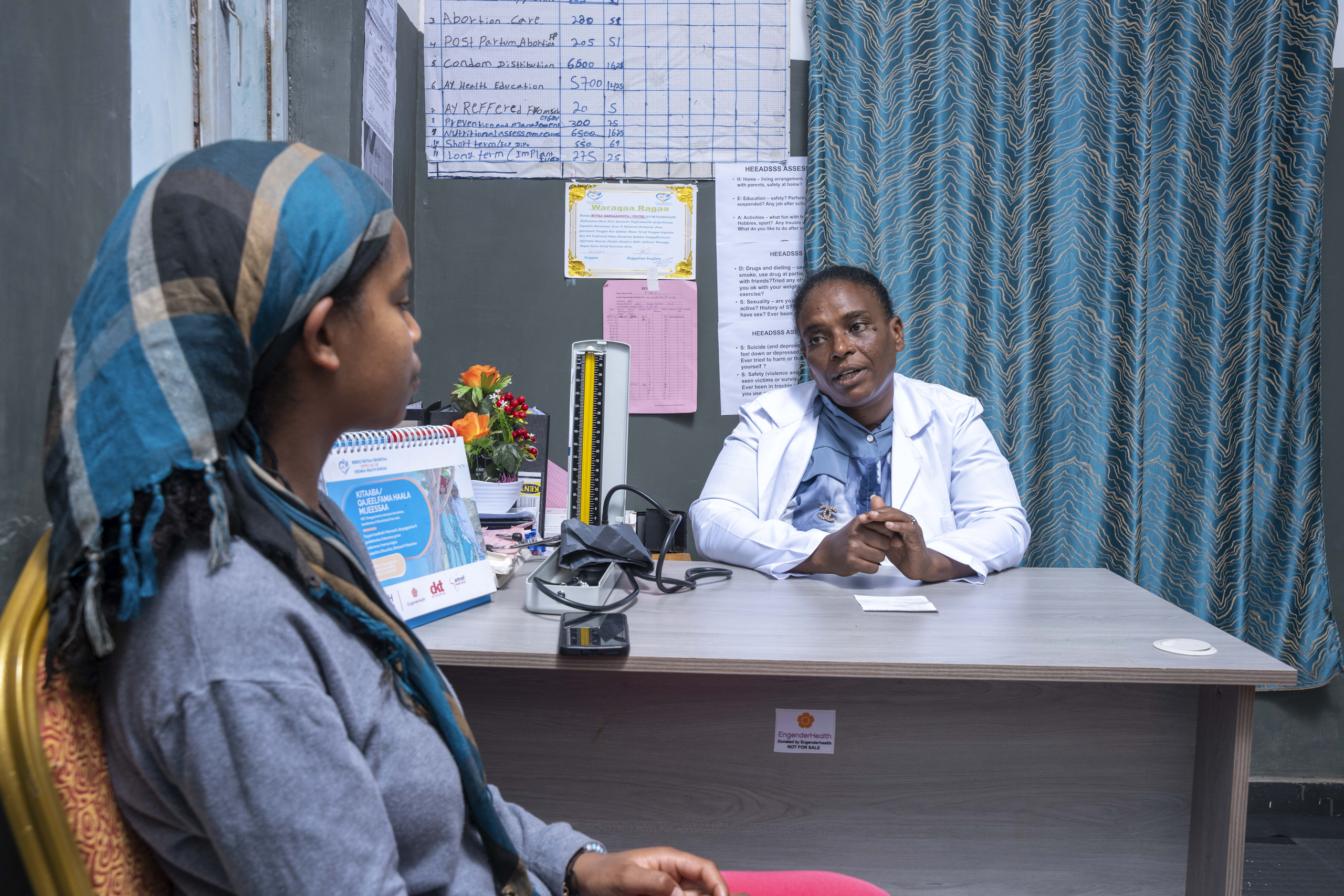
Join Us in Destigmatizing Abortion Care Worldwide
Safe abortion care is essential healthcare. To protect it, we must support young providers, counter misinformation, and build health systems rooted in compassion and rights.
No matter where you live, there are ways to help protect access to safe abortion care, challenge stigma, and strengthen support for reproductive rights. Start with the resources below to learn more, speak up, and support safe, respectful abortion care.
- Explore our Abortion Language Guide to see how EngenderHealth frames abortion with dignity and rights.
- Support EngenderHealth’s work to expand stigma-free reproductive healthcare worldwide.
- Learn how EngenderHealth addresses growing antichoice threats across Africa.
Thank you to Meskerem Setegne, Biruk Desta, Kalkidan Kassaye, Jemal Kassaw, Ana Aguilera, and Kathryn O’Connell for your contributions to this work.