
The Future of Sexual and Reproductive Health Is Already Here
A conversation with Ana Aguilera, EngenderHealth’s Director of Sexual and Reproductive Health and Rights, on youth leadership, inclusion, and hope
Who can we look to when progress for women’s health and rights feels fragile, and the future is uncertain?
For Ana Aguilera, EngenderHealth’s Director of Sexual and Reproductive Health and Rights, much of the answer lies with young people.
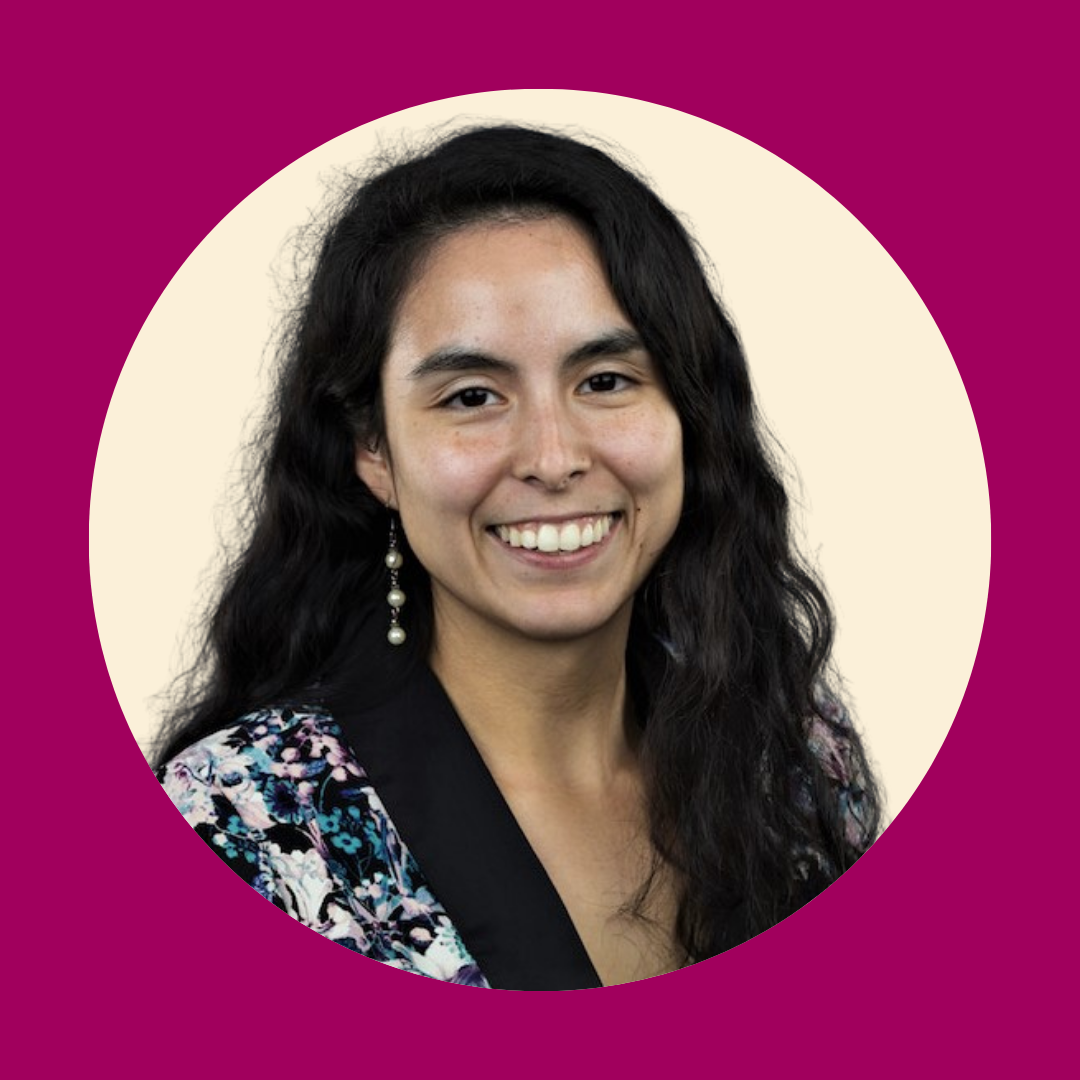
Ana began her own journey as a 16-year-old youth volunteer, and today she leads EngenderHealth’s efforts to strengthen sexual and reproductive health programming and ensure that gender, youth, and social inclusion shape every part of our work.
We spoke with Ana about the power of youth leadership, why people are experts in their own lives, what reproductive justice requires from all of us, and the grassroots organizers, advocates, and everyday people who give her hope that a more just future is already being built.
What drives you most about your work? Could you share a moment or story from your work that reinforces why this work matters?
My personal experience as an adolescent and young adult navigating sexual and reproductive health information and care drives me to work towards a more inclusive and supportive environment for young people.
As an adolescent, I participated in youth leadership opportunities. I remember being told that I couldn’t do some things that the boys could do, like stay out past dark, because it was not safe for me, nor was it proper.
Lived experiences like mine are the basis for why we at EngenderHealth focus on the integration of a gender, youth, and social inclusion (GYSI) lens to identify, challenge, and change the underlying gender, age- and related biases, prejudices, and stereotypes that hold adolescents and youth back, especially adolescent girls and young women.
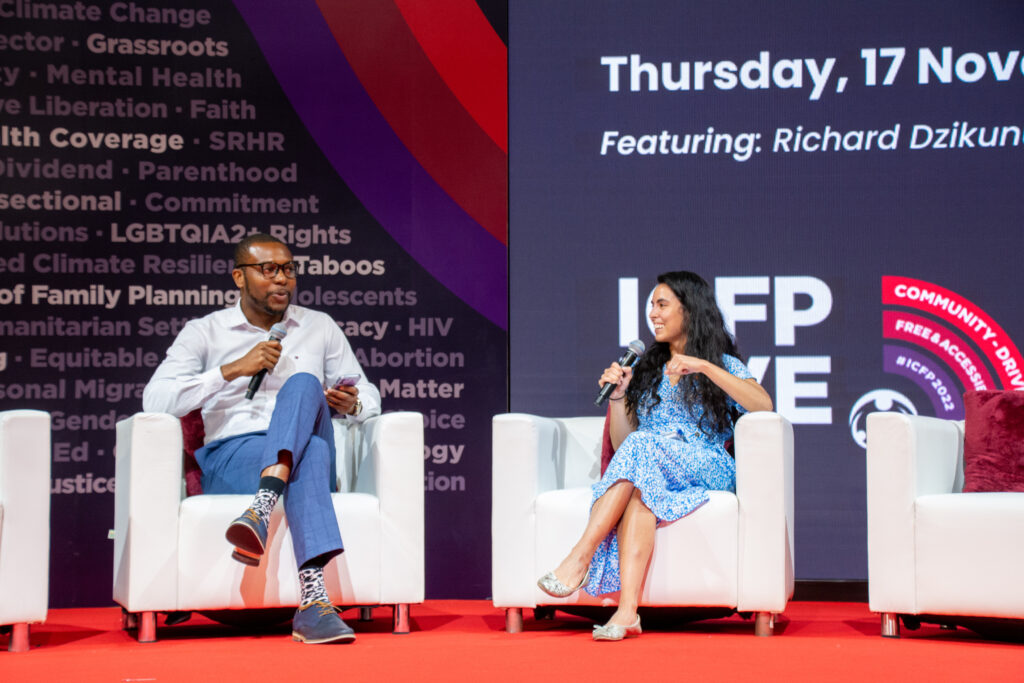
What did your journey look like to reach this point in your career? Could you share an important lesson that you’ve learned during your career?
I never set out to become a “technical expert,” nor did I ever think I would have a fancy title like Sexual and Reproductive Health and Rights (SRHR) Director.
To be honest, I didn’t really know what SRHR was until after I finished my graduate degree. The fundamental belief that people are experts in their own lives and that this expertise is just as valuable and necessary as medical degrees and technical expertise has followed me from the beginning of my career as a 16-year-old youth volunteer to today. This belief includes young people, women, and other groups who have traditionally been deemed as “hard to reach” and “underserved.”
As a result, I constantly remind myself that my job is to create safe and inclusive spaces for people to participate meaningfully, to express themselves how they would like, and to exercise their fundamental rights to SRHR (among many other things).
That means that I don’t consider myself a technical expert in pretty much anything, but rather, I use the technical knowledge and experience I do have to apply how evidence-based approaches and good practices might support improved access to and support of SRHR, GBV (gender-based violence), and menstrual health information and services.

Why is investing in adolescent and youth sexual and reproductive health essential to achieving broader development goals?
There are over 1.8 billion young people in the world today, 90% of whom live in low- and middle-income countries. Adolescent girls aged 15–19 years in low- and middle-income countries have an estimated 21 million pregnancies each year, 50% of which are unintended.
Across settings, access to accurate and up-to-date information and education about sexuality, reproduction, and sexual and reproductive health and rights is limited. The estimated global prevalence of physical or sexual intimate partner violence against adolescent girls aged 15–19 years is 24% in their lifetime and 16% in the past year.
With limited access to reproductive health and services, young people’s present and future are compromised. Healthy young people are more likely to stay in school, enter the workforce, and participate productively in the economy, while those without reproductive health care often get left behind.
Investing in reproductive health is one of the best investments you can make in young people. Every dollar spent on contraceptive services for adolescents beyond the current level would save $3.70 in the cost of maternal, newborn, and abortion care.
There is so much news about reproductive rights and justice in the United States today, so why should we care about the global issue?
As described by SisterSong, reproductive justice is one of the most fundamental human rights that one has. The right to maintain personal bodily autonomy, have children, not have children, and parent the children we have in safe and sustainable communities is at the core of who we are as human beings, whether we live in the United States or in Ethiopia.
We should care about reproductive justice as a whole, not a narrow definition of reproductive rights or a narrow focus on specific topics like abortion or contraceptive care. This is because we don’t live single-issue lives, and increasingly, the anti-rights movement and anti-choice actors are attacking our rights and abilities to decide over our own bodies, families, and communities.
If we care about a topic like abortion care or comprehensive sex education, then we need to equally care about and show up for our trans community and our immigrant community, among many other groups.
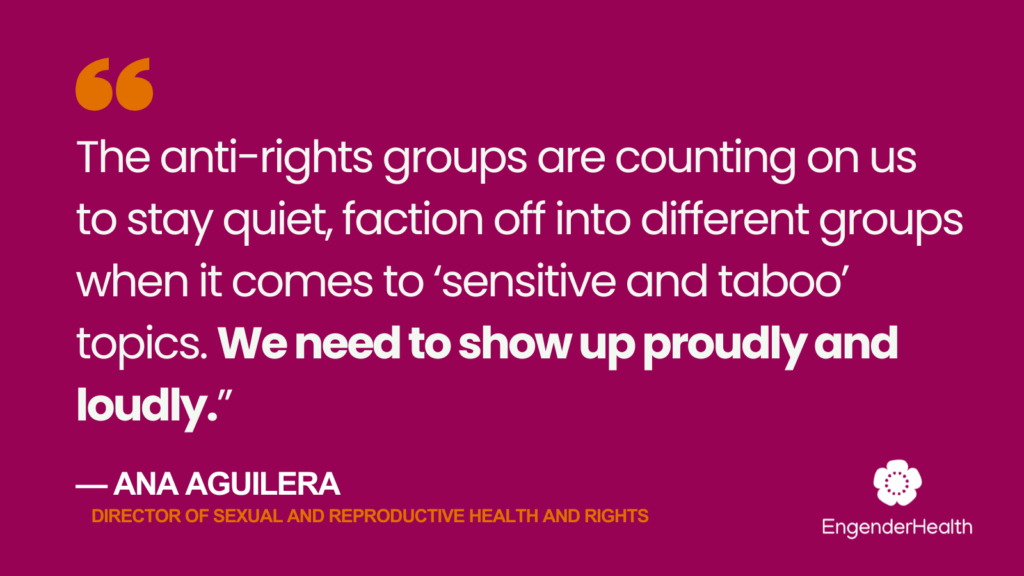
The anti-rights groups are counting on us to stay quiet, faction off into different groups when it comes to “sensitive and taboo” topics. We need to show up proudly and loudly.
The only way we truly make progress to advance reproductive justice for all is to 1) recognize that our intersecting identities and needs are what make us stronger, and 2) unite as a broad coalition of people and groups and act today, tomorrow, next week, and for years to come.
What gives you hope that the future moves in the right direction for global health and reproductive health?
Lots of things give me hope.
First, the incredible spirit, energy, and relentlessness that young people have always had and always will have. They aren’t as stuck in past thinking and ways of doing things, they don’t give up, and they don’t take no for an answer. My career began because someone gave me a chance when I was 16 and believed that I could do something good for my community in service to others, and that is something I carry with me every day.
Second, we know what it takes to solve some of the biggest reproductive and global health challenges. We have the community, health system structures, and people power to do something. Yes, the global health community has been dealt some big and unexpected funding cuts, and yes, it has caused real harm and suffering. However, the grassroots organizers, the women’s groups, the youth-led collectives, the local health systems, and the local abortion networks are still there and still operating. They didn’t vanish overnight, and they aren’t going anywhere.
Finally, the actions of everyday people around the world give me hope. From the local community health worker who goes out of her way to visit a newborn child and their family, despite not being compensated or recognized, to the adolescent girl who organizes a school campaign to fight child marriage in her school despite being pressured at home to marry soon. And the abortion fund volunteer helping someone access the abortion care they need and deserve, regardless of where they live.
Thank you to Lucy Fishkin for leading this conversation with such thoughtful questions and care.