
Against the Odds: How Jinka Hospital Protected Mothers and Babies During the Marburg Outbreak
By Erkiyhun Ketema and Nardos Delelegn, EngenderHealth Ethiopia
When Marburg Virus Disease, or MVD, struck South Ethiopia Region in October 2025, fear spread faster than facts. Caused by a virus in the same family as Ebola, Marburg virus disease (MVD) is a highly severe and frequently fatal condition. The disease is characterized by sudden onset of high fever, severe headache, and severe malaise, and can progress to hemorrhagic symptoms and multi-organ dysfunction.
Between late October and mid-November 2025, there were 13 laboratory confirmed cases reported, 8 of which resulted in death, a devastating case fatality rate of 61.5%. Jinka Town quickly emerged as the epicenter, accounting for the majority of cases and deaths.
As treatment and isolation centers were rapidly established, Jinka General Hospital found itself at the center of an escalating public health emergency.
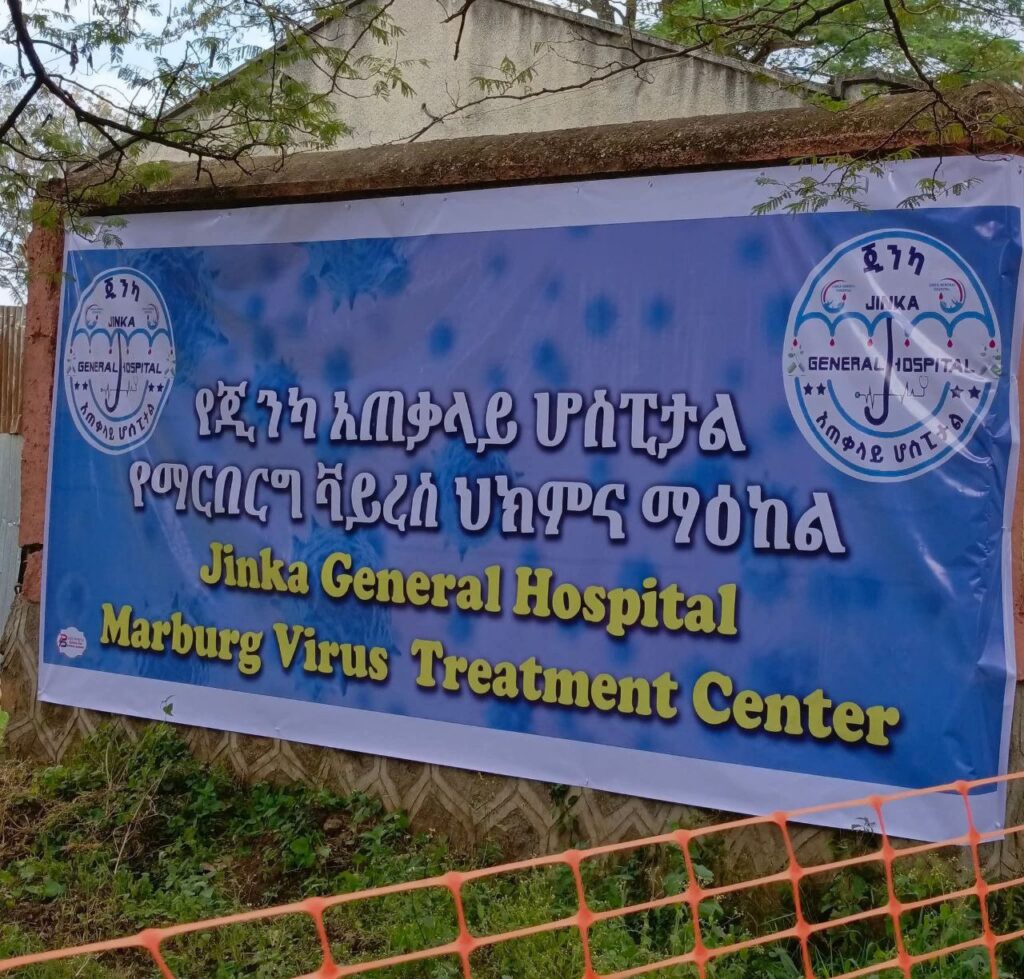
Looking back now, after Ethiopia had officially declared Marburg virus under control, the scale of the challenge, and the lessons learned, are even clearer.
“We knew that if maternity wards fell silent, the indirect deaths from disrupted services could outnumber those caused by Marburg itself. Protecting essential reproductive, maternal, newborn and child health services was not secondary to the outbreak response: it was central to it.” – Hospital Leadership at Jinka General Hospital
Yet beyond the immediate threat of the Marburg virus, another danger loomed large: the risk that essential health services; especially reproductive, maternal, newborn, and child health (RMNCH) would collapse under the weight of outbreak response.
Hospital leadership recognized early that indirect deaths from disrupted maternity care, immunization, and family planning could ultimately surpass deaths caused directly by the virus itself.
Protecting Care While Fighting an Outbreak
To prevent an outbreak, Jinka General Hospital took decisive organizational action. Health workers were deployed into two clearly separated teams: one dedicated exclusively to Marburg response and control, led by the Hospital CEO, and another responsible for essential health services, led by the Medical Director. This clear division of labor ensured that outbreak control did not displace routine care.
Service delivery was restructured in line with the National Essential Health Services Continuity Guidelines. Separate triage points were established at hospital entry, with mandatory fever and symptom screening. Staff were zoned to minimize cross-infection, with dedicated teams assigned to Marburg isolation areas and others to maternity, outpatient, immunization, and chronic care clinics. Mothers, newborns, and children without symptoms were fast-tracked to reduce exposure risks.
Throughout this period, EngenderHealth’s Integrated RMNCH+ project provided critical technical and logistical support, reinforcing the hospital’s capacity to sustain essential services. The project supported infection prevention and control (IPC) strengthening, service reorganization, provider mentorship, and the availability of essential RMNCH supplies ensuring that continuity plans were translated into practice on the ground.
Strict IPC measures became the backbone of service continuity. Hand hygiene, safe injection practices, appropriate Personal Protective Equipment (PPE) use, environmental cleaning, and waste management were rigorously enforced. Postpartum and post-abortion family planning services continued 24/7, all antenatal visits began with Marburg screening, and essential newborn care was provided at every delivery without interruption.
Health Workers at the Heart of the Response
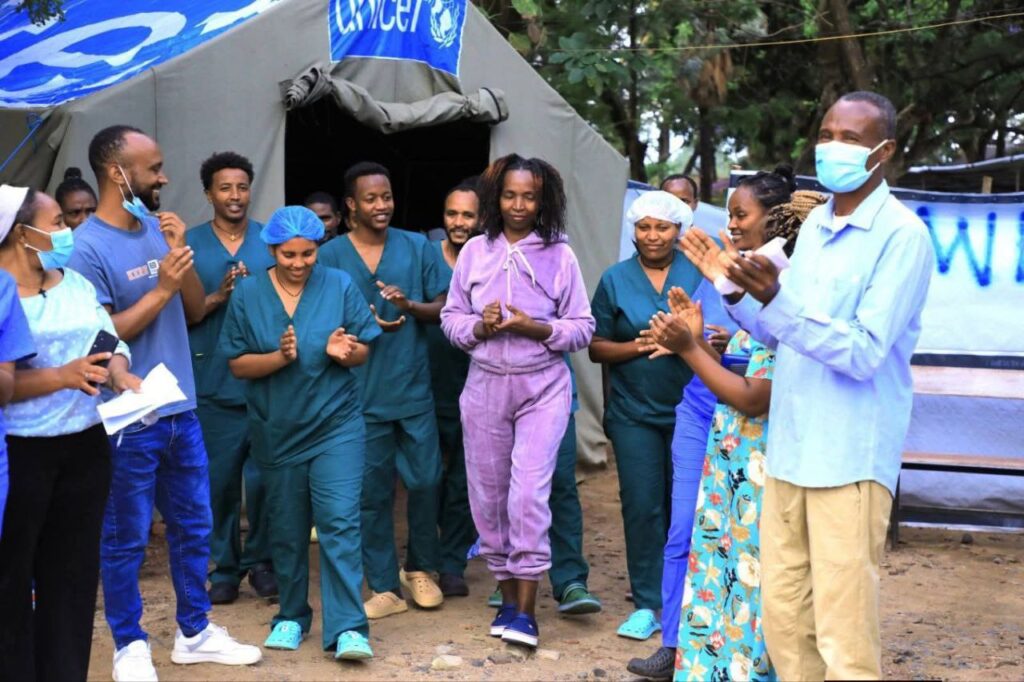
Health workers faced fear, fatigue, and uncertainty, yet adapted through discipline and resilience. Screening and triage became non-negotiable. Correct donning and doffing of PPE were treated as a life-saving skill. Continuous training, on-site mentorship, and close follow-up strengthened staff confidence and competence throughout the crisis.
One moment captured the spirit of this response: one midwife (a delivery ward staff member) contracted Marburg while caring for a Marburg-positive pregnant woman. The midwife fell critically ill but survived. Her recovery became a powerful reminder of both the risks health workers face and the life-saving importance of infection prevention and control. Today, she has fully recovered and returned to her life and work.
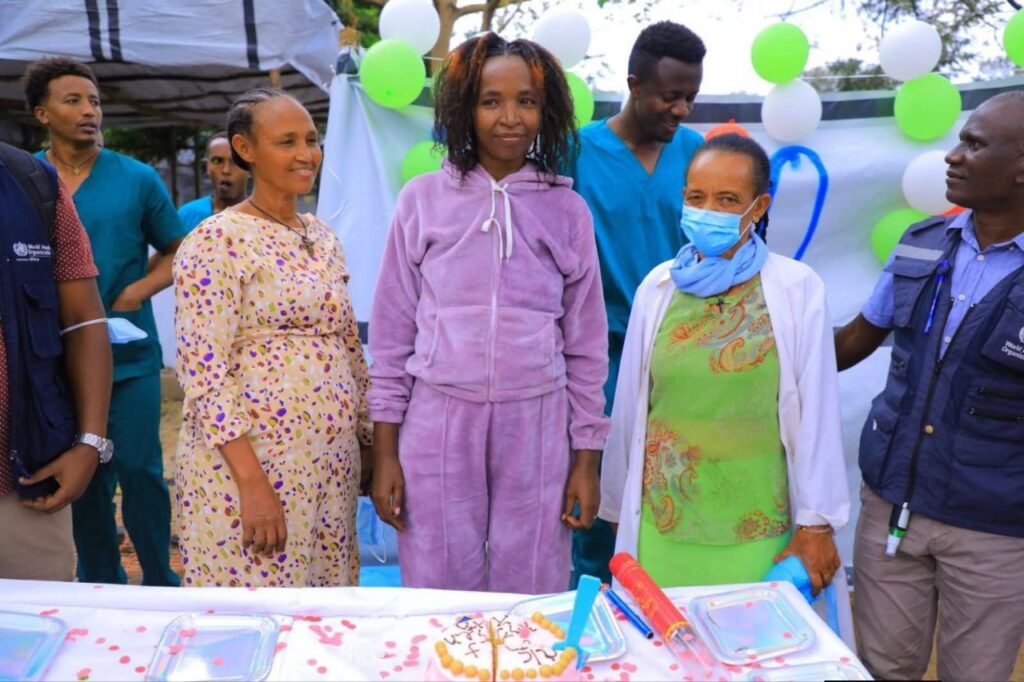
“When one of our own contracted Marburg while caring for a pregnant patient, it reminded us of the risks we carry. Her recovery became a symbol of resilience—and of why strict infection prevention and control saves lives.” – Hospital Leadership at Jinka General Hospital
Community Trust Made the Difference
Initially, panic and fear kept families away from health facilities. Through intensified risk communication and community engagement, the hospital and health authorities worked with trusted community structures like the Health Development Army, women’s groups, religious leaders, youth associations, schools, and local media to deliver a clear message: health facilities were open, safe, and ready to care for mothers and children.
By integrating Marburg prevention messages with service continuity information, and linking communities to official toll-free information services, trust was gradually restored. Women and families returned, reassured by the presence of dedicated care teams and visible safety measures.
Results That Matter
Nearly all RMNCH services were maintained throughout the outbreak. Critically, postpartum family planning uptake remained steady, with no significant decline before, during, or after the outbreak. Mothers and newborns continued to receive timely, compassionate care without increased exposure risk, while psychosocial support remained an integral part of service delivery.
“Even at the height of the outbreak, postpartum family planning uptake did not decline. That consistency tells a powerful story: continuity is possible, even in crisis.” – Erkiyhun Ketema, EngenderHealth Ethiopia
The experience at Jinka General Hospital reinforced lasting lessons: daily monitoring of essential services, integration of outbreak preparedness into routine management, continuous PPFP counseling, and unwavering commitment to IPC.
For hospitals facing similar crises, the message is clear: protect essential health services from day one, establish strong leadership and team structures, communicate transparently with communities, and never compromise infection prevention.