
When the Work Was Just Beginning: Lucie’s Story and the Impact of USAID Cuts on GBV Services in Burundi
Lucie Nyamarushwa joined EngenderHealth in 2016. With her, she carried years of hands-on experience in gender-based violence (GBV) prevention. “I had my little luggage,” she says humbly.
But it wasn’t little. It was full—of lessons, of leadership, of hope.
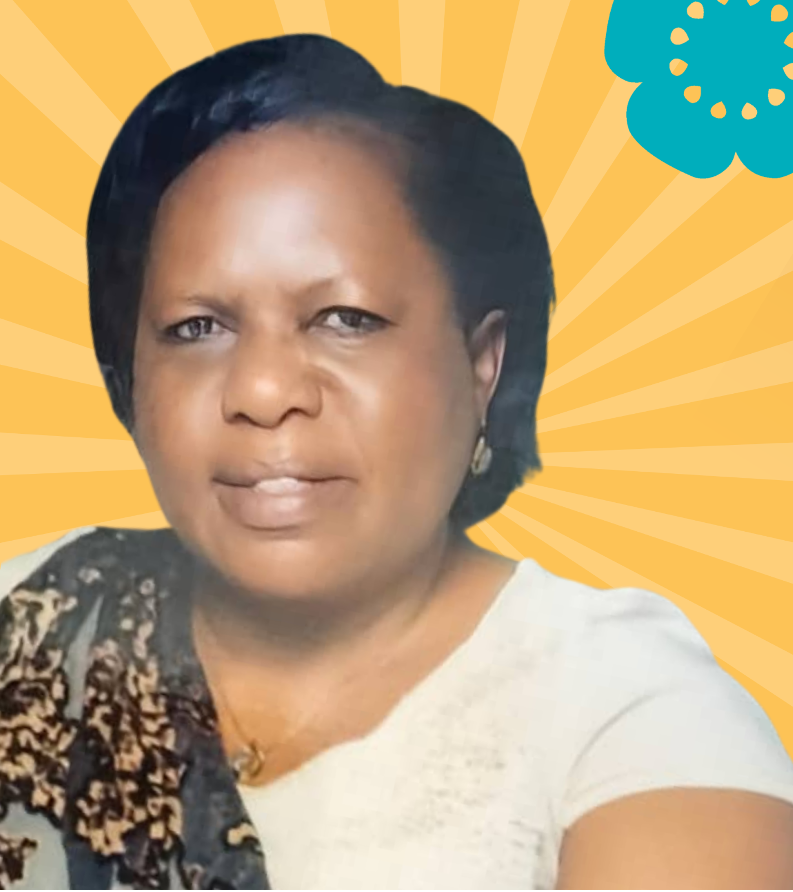
As a senior GBV technical advisor in Burundi, Lucie helped spearhead transformative change—working alongside community and religious leaders, and reaching out to men, women and youth to shift long-standing social norms around gender, power, and violence.
She built coalitions. She launched awareness raising campaigns.
She listened, deeply, to survivors.
But when the stop-work order came from USAID in January, everything changed.
“We had made such progress,” Lucie says, her voice breaking with emotion. “We were transforming lives. We were bringing hope to women who had lived in silence and fear. And then, all of a sudden, the work stopped.”
The projects she supported—first Burundians Responding Against Violence and Inequality (BRAVI), GIR’ITEKA and Mpore —were among the only of their kind in Burundi. With USAID’s support, Lucie and her team trained men to be allies, not aggressors. They built GBV response systems that connected communities to health services. They integrated GBV prevention into HIV programming—knowing that every unaddressed case of sexual violence could become another doorway for HIV transmission.
“We were trying to close the door,” she says. “To make sure no case of GBV went unnoticed, no survivor went unsupported. That’s how we protect the next generation.”
Lucie tells the story of a man who, after attending one of our gender-based violence trainings, came to a painful realization: what he had long considered a normal part of marriage was, in fact, sexual violence. Until that moment, he had never questioned the power dynamics in his relationship or the harm caused by his actions. But something shifted. After the session, he vowed to share his story with other men to change minds in his community. This was the work. This was what progress looked like.
And then, it was interrupted.
“We still had so far to go,” Lucie says. “Changing social norms takes time. We had begun to see results—community leaders speaking out, churches integrating messages about equality into their teachings, local governments giving space at public meetings to discuss GBV. Men were starting to break the silence about their own GBV experiences. There was ownership. There was momentum. And now, it’s all in jeopardy.”
What’s been lost isn’t just funding. It’s trust. It’s continuity. It’s the chance to cement the changes they had worked so hard to spark.
Lucie is especially worried about the connection between GBV and HIV—something often misunderstood by those far from the field.
“Our goal was to integrate GBV response into HIV prevention fully,” she explains. “By addressing GBV, we were also treating undiagnosed HIV cases, which helped prevent further spread of infection. We were building a system to stop that chain. But now, we’ve lost that ability to provide integrated services.”
Still, she’s clear-eyed about the future. “We’re not giving up,” she says. “But we need support. We need donors to step in to help us continue the work. We had come so far—but we had just begun.”
As a mother of four daughters and grandmother to three grandchildren, Lucie’s story carries a personal weight. “I think about their futures. About the world they’ll grow up in. We can’t let this be the end of the story.”
Thank you to Kate O’Connell and Kate Tibone for sharing Lucie’s story.