
When the System Starts to Fray: Deus’s Story and the Impact of USAID’s Exit in Tanzania
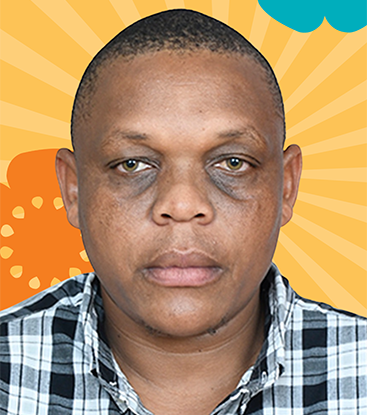
For years, Deus Ngerangera, the Head of Monitoring, Evaluation, and Learning at EngenderHealth Tanzania helped keep the country’s health system accountable and responsive.
From leading a team of data specialists to guiding national conversations about maternal health, family planning, HIV, malaria, and gender equity, he ensured programs were rooted in real-time evidence—and grounded in impact.
But now, that system is starting to fray.
“When USAID funding was strong, we had robust teams,” Deus explains. “We supported facilities in tracking data, coached health providers, ensured accurate reporting, and helped the Ministry of Health respond to what the data was showing.”
One major initiative—Afya Yangu Northern, part of a larger USAID-funded project—focused on family planning and gender and youth social inclusion (GYSI). In the past, EngenderHealth has supported projects like Afya Yangu Northern, which abruptly ended in February of 2025 during the global dismantling of USAID-funded initiatives.
The abrupt ending set off a domino effect.
“Our technical leads left. Our mentorship programs ended. We lost the people who knew how to track services, identify problems, and support health workers. And it didn’t just affect us. The government and health facilities lost key expertise they relied on.”
Across Tanzania, the ripple effects were immediate:
- Data quality assessments and visits to facilities have slowed or stopped, as district and regional health teams lacked the funds once provided by USAID-backed partners.
- Lack of updated data collection tools, which were recently updated by the Ministry, and remain only partially distributed. “I was just in the field,” he says. “Many clinics are still using outdated forms that don’t match our systems. There will be inconsistent data until all facilities use the same tool. This will create huge reporting gaps.”
- Commodity supply chains—once buttressed by USAID’s direct support to the Ministry of Health—now teeter on the edge of disruption. “If the current termination stands, within six months, we’ll see shortages across the country.”
Even where services technically remain, demand is dropping. Community health workers, who once provided clients with critical information, are no longer supported. “They used to go door to door. Without them, people don’t know where or how to get care. They simply stay home.”
The implications go beyond paperwork.
“If there are no commodities, there are no services,” he says. “And if there are no services, the community suffers. That’s what worries me most.”
Not all hope is lost. Some HIV-related programs are beginning to restart, bringing back a few data clerks and providers. But for family planning, gender, malaria, and maternal health—areas where USAID once played a central role—the future remains uncertain.
Still, he sees this as a moment of reckoning—and a chance to learn.
“This situation is teaching us, as a country, that we need to think seriously about how we mobilize domestic resources and reduce dependence on foreign aid. But it’s also a call to action. If the U.S. won’t fill these gaps, then we need other donors—other governments—to step in and keep communities from being left behind.”
He pauses, then adds, quietly: “These services matter. Not because they’re funded. But because they save lives.”
Thank you to Danielle Garfinkel and Kate Tibone for sharing Deus’s story.