
SWAA-Ngozi’s Efforts to Provide Holistic Responses to Gender-Based Violence in Burundi
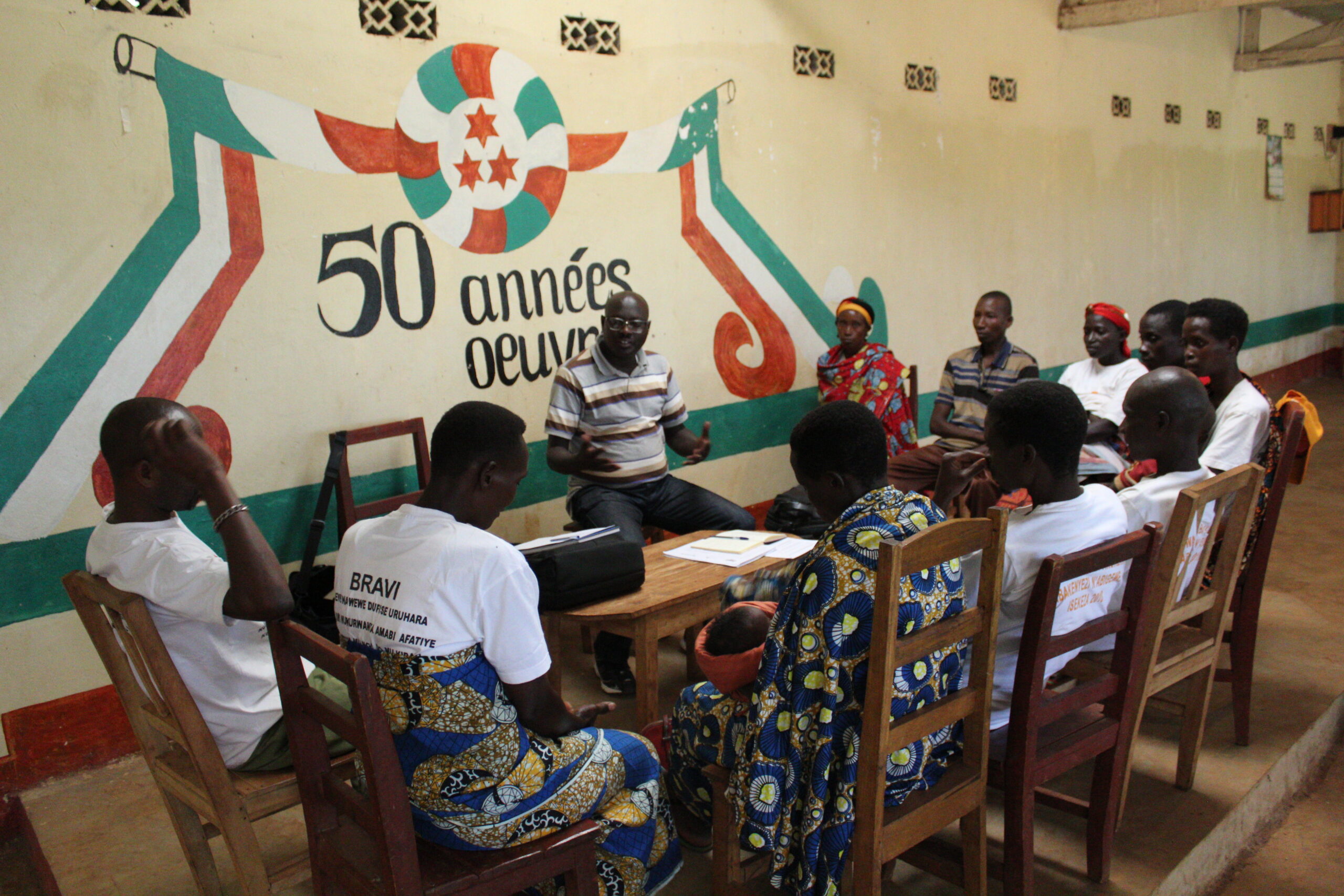
Gender-based violence (GBV) remains one of the most pressing human rights challenges that impact communities across Africa. In Ngozi, Burundi, the Society for Women and AIDS in Africa (SWAA-Ngozi) has been on the frontlines of this fight since 1996, providing crucial medical care and psychological support to people living with HIV/AIDS.
A significant turning point in SWAA-Ngozi’s journey came with the introduction of the Burundians Responding Against Violence and Inequality (BRAVI) project. Launched to strengthen GBV response services across Burundi with funding by USAID and support from EngenderHealth, the BRAVI project has played a vital role in transforming SWAA-Ngozi’s capacity to care for survivors of sexual and gender-based violence (SGBV).
A Humble Beginning with Many Challenges
Ms. Godeberthe Ngendakumana, a dedicated nurse and SGBV provider at SWAA-Ngozi, paints a vivid picture of their early struggles. “Before the BRAVI project’s support, 100% of SGBV survivors were seen in the same room as people living with HIV,” she shared. There was no specific, confidential space, no clear protocols, and no stock of essential post-exposure prophylaxis (PEP) drugs for survivors of sexual violence.
Documentation was disorganized, making it difficult to track and manage cases effectively. Psychosocial support services existed, but SGBV survivors rarely accessed them. The emotional toll on providers like Ms. Godeberthe was immense:
“I was emotionally traumatized by SGBV cases. I didn’t know how to examine and treat survivors properly.”
80-90% of complex cases were routinely referred to the Ngozi hospital, highlighting a gap in local care.
Transformation Through Partnership
The turning point came with the BRAVI project. Through training workshops and ongoing post-training supervision since 2016, SWAA-Ngozi’s staff have gained the expertise, skills, and confidence they need to manage SGBV cases more holistically.
“Today, we are breathing a sigh of relief,” Ms. Godeberthe said with pride.
Now, two to three SGBV survivors per month are supported from start to finish at the SWAA-Ngozi clinic, ensuring a seamless continuum of care—including medical, legal, and psychosocial services.
Building a Survivor-Centered Model
The changes have been profound:
- Dedicated, Confidential Spaces: A unique room now exists solely for the clinical and biological examination of SGBV survivors, ensuring privacy and dignity for clients. Treatment, including the administration of rape kits, is also provided in this confidential space.
- Integrated Services: SGBV services are now fully integrated into family planning services, ensuring survivors can access comprehensive reproductive health services.
- Holistic Care Pathways: While SWAA-Ngozi doesn’t provide vaccinations, survivors are transported free of charge by SWAA’s motorcycles to other health facilities to receive essential follow-up care.
- Legal Support: Around 80-90% of survivors are referred to legal authorities, not only to seek services, but also to prevent recurrence of SGBV in the community.
Changing Lives, Changing Communities
This holistic model is doing more than healing individuals—it is shifting community attitudes. By ensuring that survivors are supported, accepted, and empowered, SWAA-Ngozi is helping to dismantle the stigma that so often surrounds sexual and gender-based violence.
Ms. Godeberthe is proud of how far the organization has come and remains hopeful about the work ahead. She passionately advocates for the continuation and expansion of these SGBV activities, particularly urging support to introduce hepatitis B vaccinations at SWAA facilities to make care even more comprehensive.
The Road Ahead
SWAA-Ngozi’s story is a testament to what’s possible when dedicated local organizations receive the training, professional skills, and structured support they need to offer comprehensive services to women. With continued investment and collaboration, SWAA and its partners are proving that a holistic, survivor-centered response to GBV is not only necessary, but transformative.