
Second Chances at Kitovu: Fistula Survivors Find Care and Community in Uganda
At Kitovu Mission Hospital in Uganda’s Masaka District, healing is not measured only by successful surgery, but by the moments that follow. A woman smiling for the first time in years. A mother preparing to return home with her newborn. A nurse carefully caring for an infant while recovery continues.
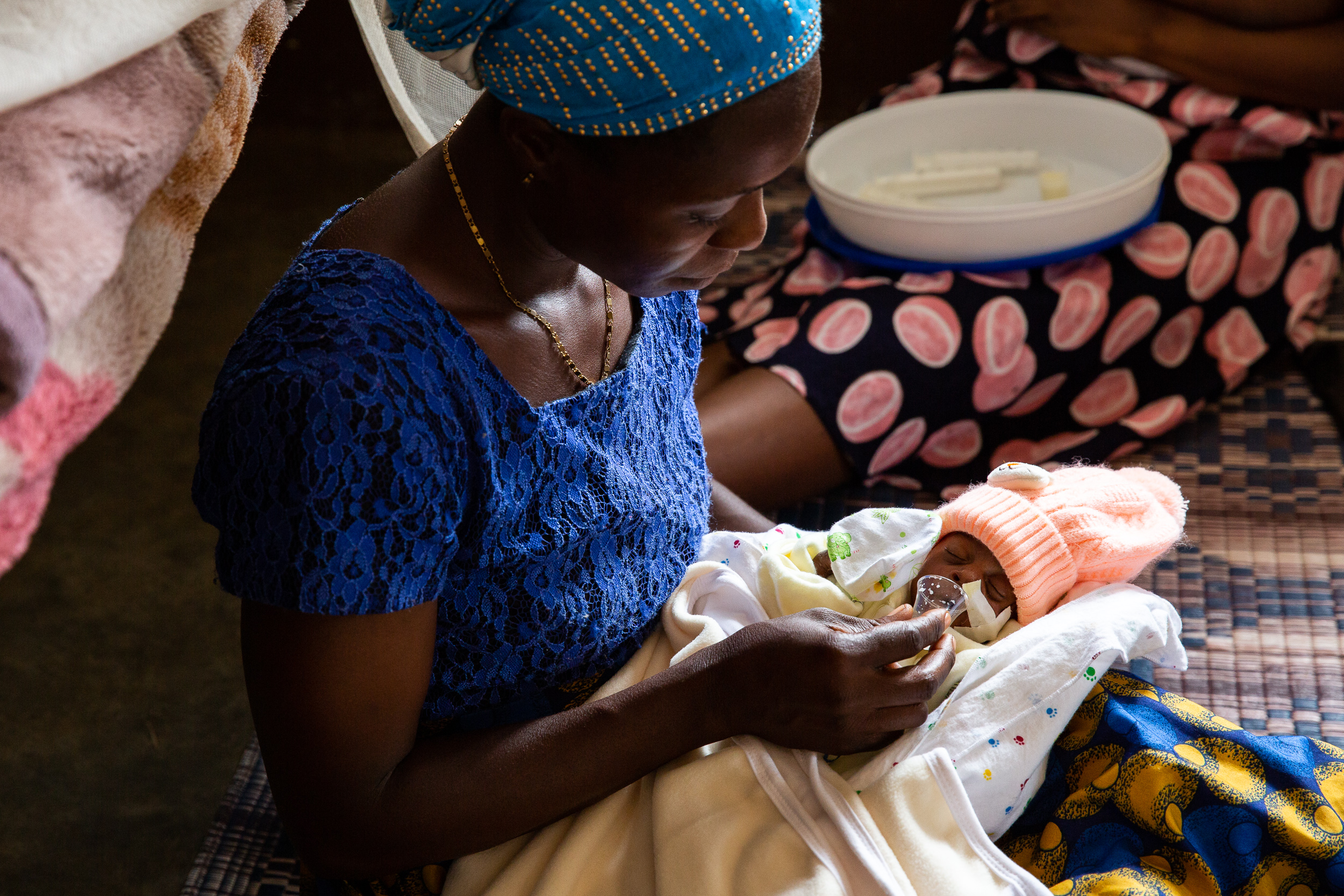
Masaka District, Uganda: A nurse feeds 3-week-old Reign Alma her mother’s breast milk from a cup at Kitovu Hospital. (Photo credit: Carielle Doe)
For women living with obstetric fistula, these moments mark the end of long journeys shaped by pain, isolation, and uncertainty.
Obstetric fistula is a devastating childbirth injury caused by prolonged, obstructed labor without timely medical care. Women experience uncontrollable leaking of urine or feces, often accompanied by stigma, social exclusion, and profound emotional trauma.
Though fistula is entirely preventable and treatable, many women in rural communities lack access to the skilled care needed to save their lives—and restore them.
Through the USAID‑supported, EngenderHealth-led Fistula Care Plus (FC+) project, women in Uganda received free, life-changing surgery, counseling, and reintegration support—offering not only treatment, but a path to dignity and renewed hope.
The Cost of Waiting
For many women, fistula brings years of suffering. Some withdraw from their communities entirely. Others endure rejection, economic hardship, or the belief that their condition is a punishment to bear alone. Without information or resources, treatment can feel impossibly out of reach.
At Kitovu Mission Hospital, the FC+ project offered specialized care, compassion, and the chance to begin again—showing the profound impact of timely, respectful care.
Mimshaba: Finding Relief and Renewal
After facing years of hardship because of her condition, Mimshaba Oliver arrived at Kitovu Mission Hospital for fistula repair surgery.
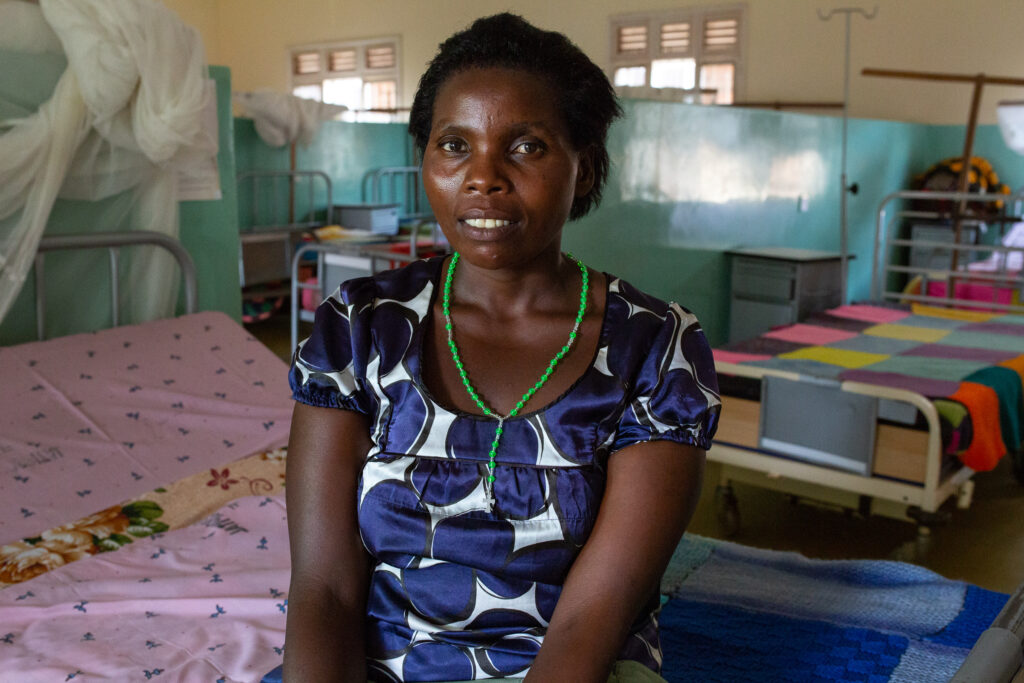
Her surgery was successful. When she returned for follow-up care, her relief was visible: not just in her body, but in her confidence and presence. Healing restored her dignity and allowed her to reclaim daily life. What had once defined her existence no longer controlled it.
Agnes: Healing for Mother and Child
In the fistula ward, there was another story of recovery.
After surgery and a period of healing, Agnes Namusisi prepared to leave the hospital with her newborn child. Sitting on her bed, she was ready to return home and begin again. This was a turnaround from before when she felt her future was once uncertain.
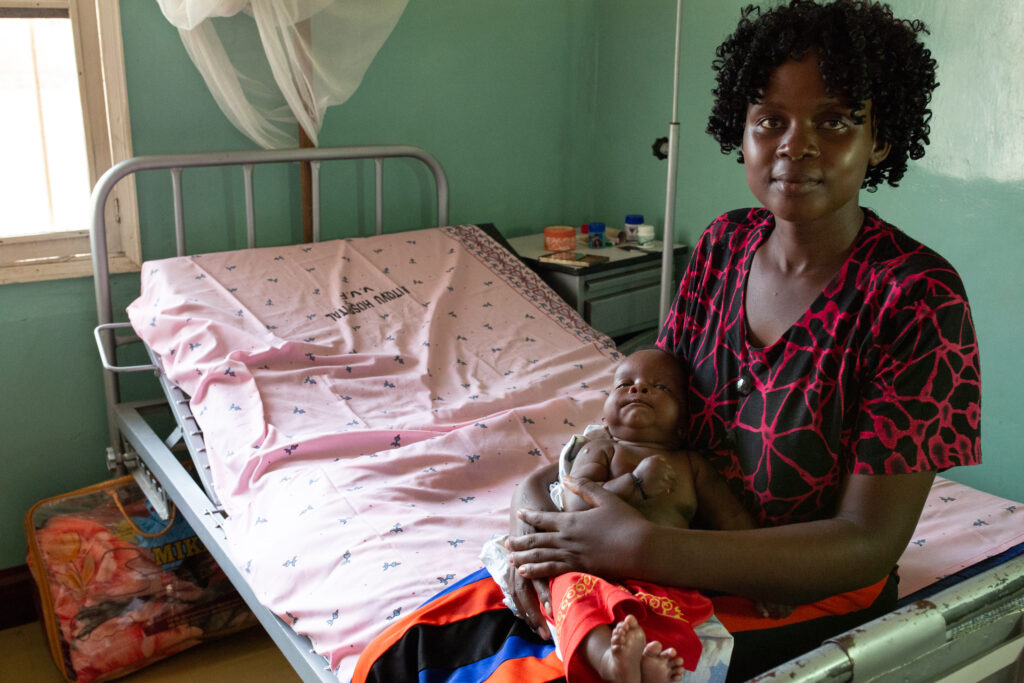
During her recovery, nurses ensured her baby was cared for, feeding expressed breast milk by cup until Agnes was able to safely resume breastfeeding. Their careful attention made it possible for both mother and child to heal together.
Agnes’s experience reflects what comprehensive fistula care makes possible: not just surgical repair, but protection, dignity, and support for the entire family.
Care That Extends Beyond the Hospital
Fistula repair is only the beginning. True healing includes post-operative care, counseling, and reintegration support to allow women to return to families and communities with confidence. Beyond hospital walls, community gatherings become spaces for reconnection and learning. Silence is replaced by conversation; shame gives way to understanding.
Why This Work Matters
Stories like Mimshaba’s and Agnes’s remind us that obstetric fistula does not have to define a woman’s life. With access to timely, respectful care, healing is possible—and lives can be transformed.
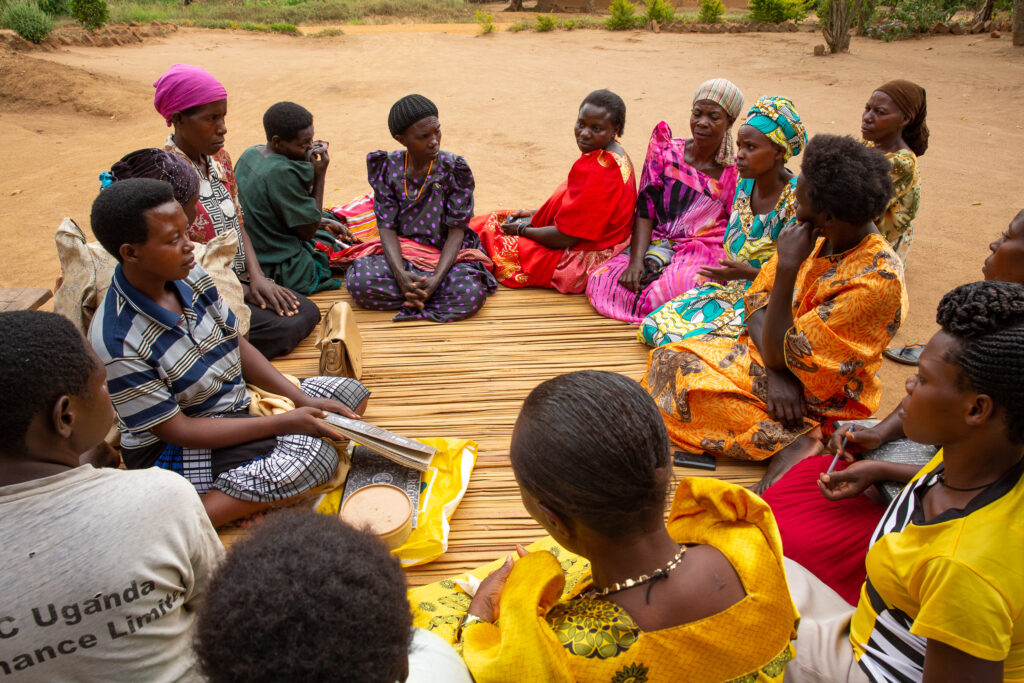
The women who walk through Kitovu Mission Hospital’s doors are not seeking miracles, they are seeking care.
And when care is available, dignity, health, and hope return—one woman, one family, one community at a time.
Through the Fistula Care Plus project, thousands of women in Uganda and across the region received free, life-changing surgery and support. But as funding for fistula services declines, the need has not.