
Healing After Fistula: Justine’s Next Chapter in Uganda
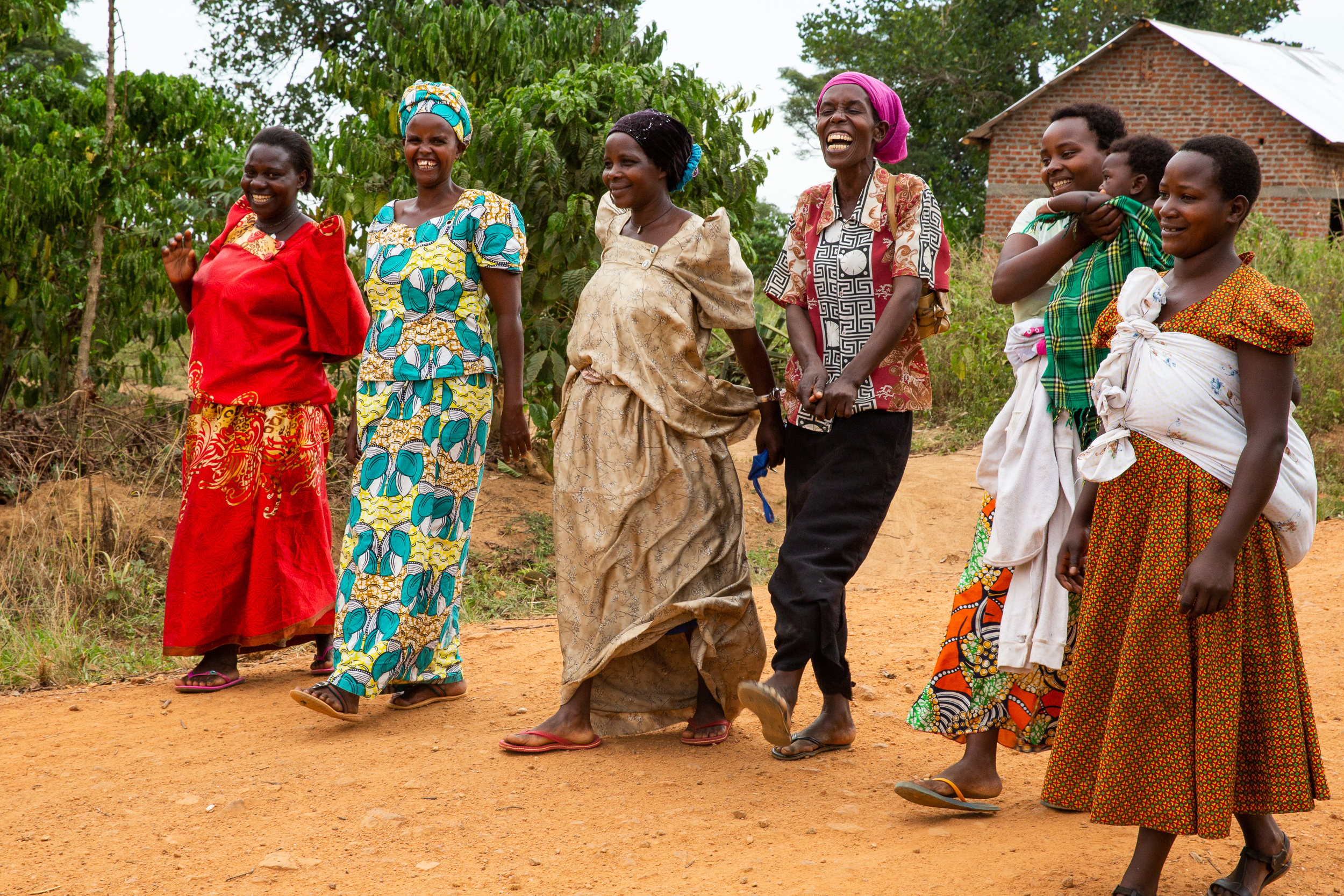
Kalungu District, Uganda: Justine walks home from a weekly community meeting with local women. (Photo credit: Carielle Doe)
In the early morning sun in Kalungu District in Uganda, Justine Nitele, 36, walks confidently toward her weekly women’s group meeting, greeting neighbors with a warm smile.
These simple social moments—laughing with friends, joining conversations, attending gatherings—once felt impossible to her.
Justine is a mother of seven. In 2011, during the prolonged and difficult labor of her fifth child, she developed obstetric fistula, a childbirth injury that left her leaking urine constantly. For three years, Justine suffered in silence, physically uncomfortable, isolated by shame, and unsure that help was available.
Living in the Shadows of Shame
After the injury, everyday life became a heavy burden. Tasks most people take for granted (carrying water from the well, tending her garden, walking to the market) filled her with dread. She feared others would notice her condition and judge her.
Justine withdrew from village life. She stopped attending meetings, avoided social events, and carried her suffering alone. In Bulenzi Village, where close community ties are central to daily living, her world grew smaller with each passing day.
A Midwife Brings Hope
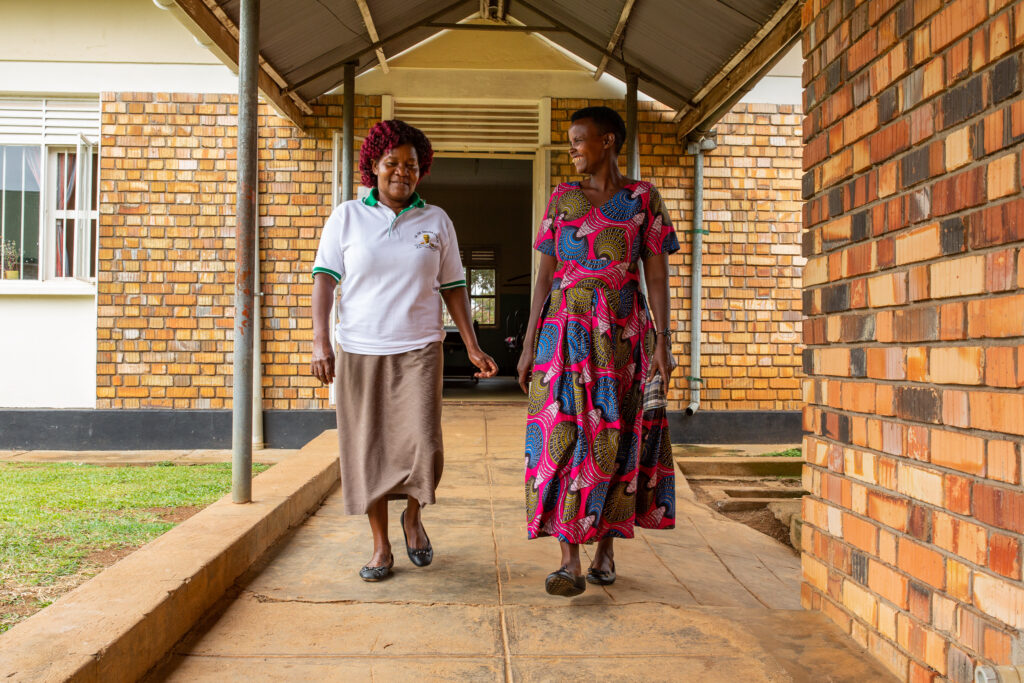
Everything changed when a midwife told Justine that obstetric fistula could be treated—and that free repair surgery was available at Kitovu Mission Hospital through the USAID‑supported Fistula Care Plus (FC+) project, led by EngenderHealth in partnership with local health providers.
For the first time in years, Justine dared to hope.
Justine’s Healing Journey Begins
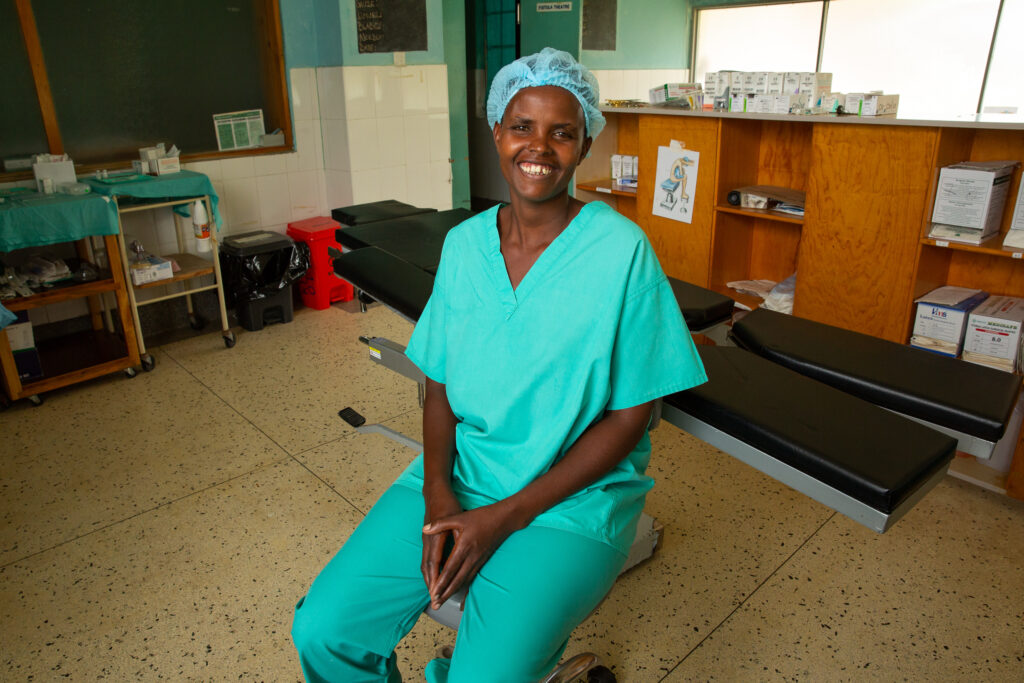
In 2014, Justine traveled to Kitovu Mission Hospital for surgery. The operation was successful. After three long years, she could finally sleep comfortably, move without fear, and begin life anew.
Returning home marked more than a physical recovery. It was the start of transformation. Justine could carry water again, prepare meals, work in her garden, and embrace her children without inhibition. As part of her reintegration in village life, she received four goats as a small livelihood support package to help rebuild stability for her family.
Finding Her Voice
Healing restored more than Justine’s body. It restored her voice.
Today, she stands before groups of women at weekly community meetings, openly sharing her story. She talks about what happened during her labor, the risks women face when they labor too long without skilled care, and the importance of timely medical attention. What was once a source of fear and embarrassment has become a wellspring of strength and purpose.
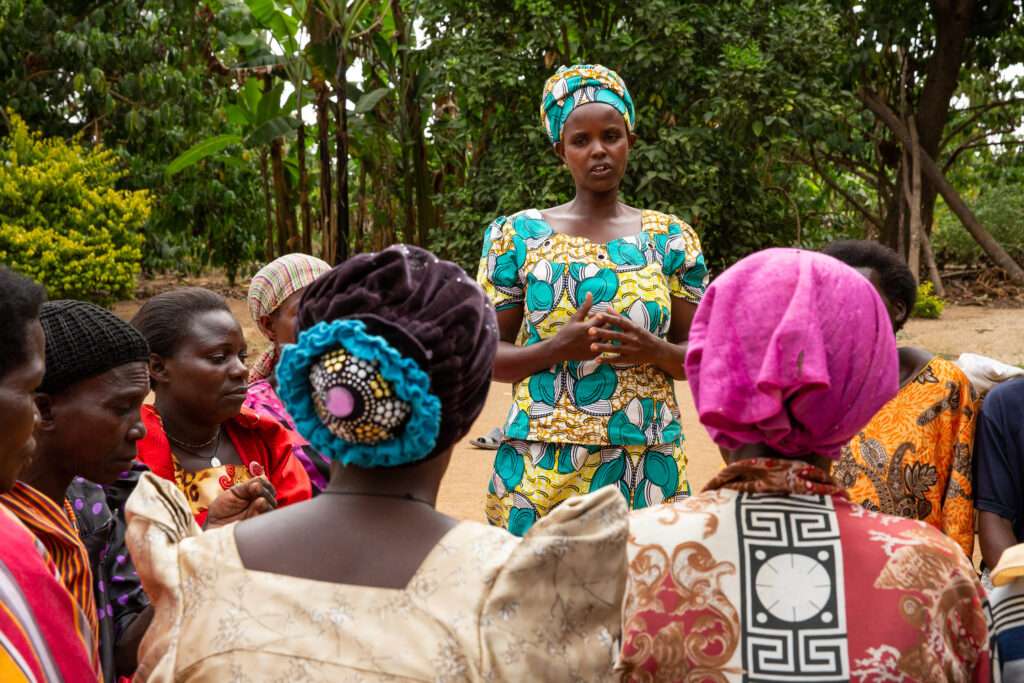
After she speaks, women often gather around her; listening, asking questions, and reflecting on what they have learned. “She is very brave,” her friend Jane Nakiwala says simply of her.
Giving Back, Looking Forward
Justine often returns to Kitovu Mission Hospital, where she reconnects with nurses who once cared for her. Standing in the fistula ward and surgical theater, she reflects on how far she has come. Looking at old photographs from her time as a patient, she no longer sees only hardship—she sees resilience, healing, and possibility.
Justine’s story is a powerful reminder that obstetric fistula is both preventable and treatable. With access to quality care and supportive reintegration, women can reclaim their health, rebuild their livelihoods, and become leaders in their communities.
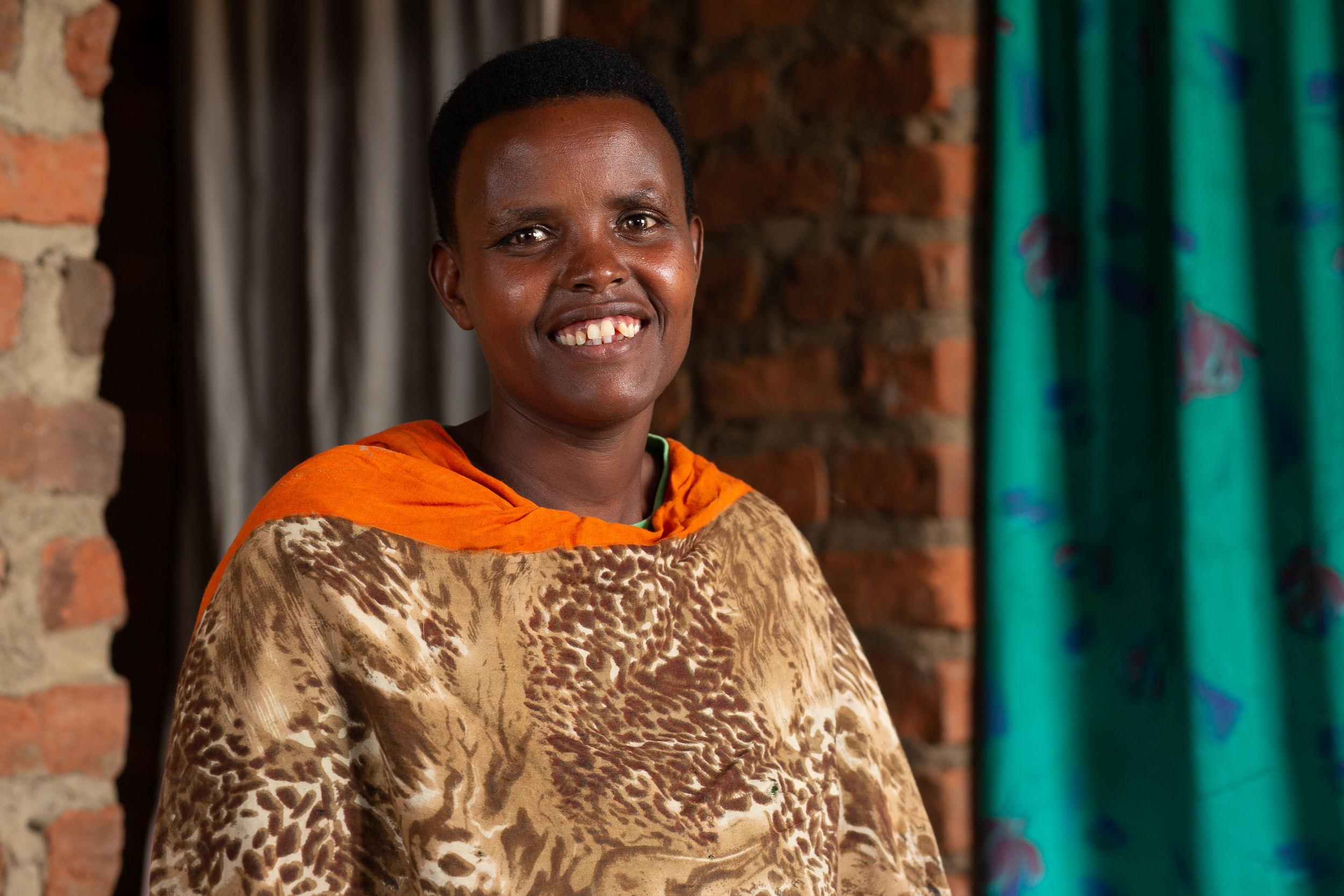
Bulenzi Village, Kalungu District, Uganda: a photo of Justine, a mother of seven and a fistula survivor. (Photo credit: Carielle Doe)
Through programs like Fistula Care Plus, women like Justine found healing and hope. As funding for fistula services declines, her voice stands as a testament to what is possible and what must not be lost.
Justine no longer walks in silence. She walks forward, leading others with her.