
Dignity and Joy in Guinea: Massiamy’s Journey Back to Society
By Moustapha Diallo, MOMENTUM Safe Surgery in Family Planning and Obstetrics project, Guinea
No woman should suffer for decades from a treatable condition—but that was Massiamy Conde’s reality until she received the care she had long been denied. Her story is a powerful reminder of what’s possible when women have access to timely, respectful surgical care and of what’s at stake when that care is taken away.
Living with Obstetric Fistula in Guinea
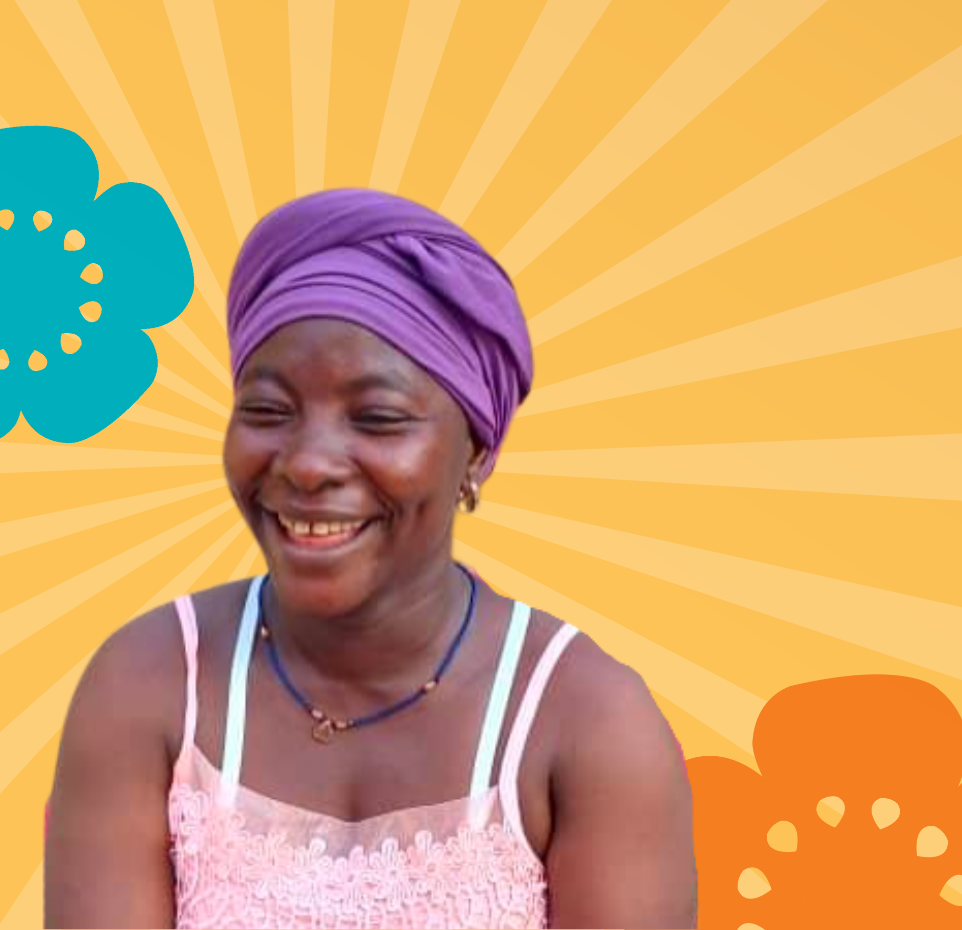
Massiamy Conde. Photo credit: Adama Barry, MSSFPO/Guinea
Obstetric fistula remains a serious and often overlooked health condition affecting women around the world, particularly in low-resource settings.
It is a condition where women experience incontinence due to an abnormal opening between the genital and urinary tract or rectum.
Such is the case for one woman, Massiamy Conde, who lived with obstetric fistula in Guinea for over twenty years.
There are an estimated half a million cases of fistula globally, and thousands of new cases each year.
Major causes of fistula include prolonged or obstructed labor, surgical error (most often during cesarean section), and trauma (such as sexual violence). Women who experience fistula suffer incontinence and with it, shame, social isolation, and health issues.
How the USAID-funded MOMENTUM Project Expanded Access to Surgical Care
Guinea has one of the highest maternal mortality rates in the world, 550 maternal deaths per 100,000 live births, attributed to the inadequate provision of emergency obstetric and neonatal care services.
The MOMENTUM Safe Surgery in Family Planning and Obstetrics project was active in Guinea starting in 2022 and was impacted by the USAID stop-work order which ended the program early in 2025.
In Guinea, MOMENTUM was working to address key gaps in the capacity of surgical teams to deliver safe surgical obstetric care, and to prevent and treat fistula. The project routinely scheduled fistula repair sessions in project-supported regions.
Raising Awareness and Reducing Stigma Through Community Engagement
MOMENTUM worked with local community leaders and radio stations to share information about fistula, and encouraged women to come to a health post, health center, or district hospital to determine eligibility for repair.
For example, MOMENTUM organized a fistula repair session in Labe in December 2023. This session coincided with an advocacy campaign for free fistula care in Guinea, also led by MOMENTUM.
Massiamy provided a painful testimonial at the launch of this advocacy campaign. She spoke about living with obstetric fistula for decades, bringing attendees to tears as she recounted the physiological, psychological, and social consequences of the condition. During this testimony she made a plea for treatment.
A Life-Changing Surgery in Kindia
While Massiamy had been referred to the Labe repair session, doctors there determined that she required surgical treatment of severe bladder stones first and would need to take advantage of a subsequent repair session to treat her fistula. Over 60 women, including Massiamy, were referred to the Kindia Regional Hospital for examination and diagnosis.
Of these, thirty-five were diagnosed with fistula and received surgical fistula repairs in Kindia with MOMENTUM support in April and May 2024.
Happily, one of these women was Massiamy.
Recovery and Reintegration After Fistula Repair
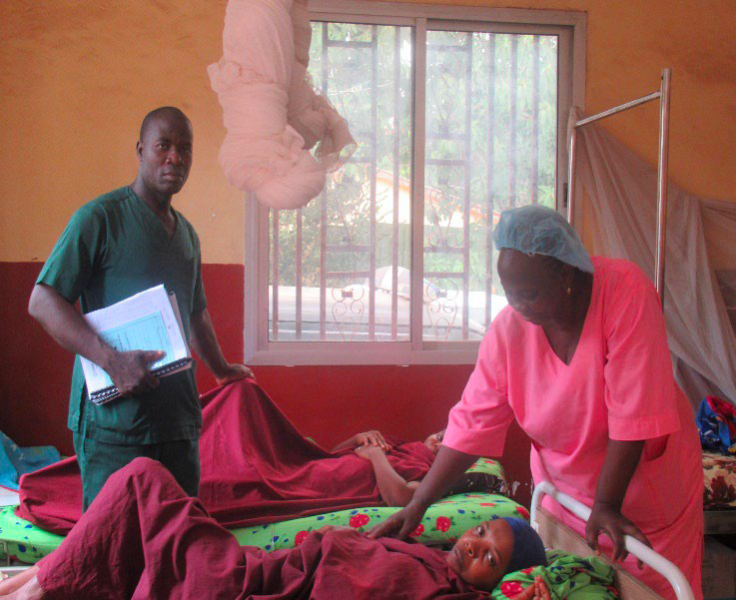
Fistula repair session in Kindia. Photo credit: Sita Millimono, MSSFPO/Guinea
The next stage of the journey involves community reintegration. Upon discharge from surgery, MOMENTUM offered women the opportunity to enroll in a social immersion program with host families, who provided them with support to gradually reintegrate into routines in society.
This model, which was designed by EngenderHealth, has been documented to support positive outcomes for women who have had fistula.
Women post-repair lived with a volunteer host family for two to three weeks, while the family involved them in activities such as cooking, eating meals together, shopping, and participating in social events. The families provided a supportive, caring environment as women recuperated physically and emotionally after periods of social isolation that had sometimes lasted for years due to stigmatization. Massiamy enrolled in such a program in Kindia before returning to her village.
During their stay, host families were honored through special visits from their mayors or mayoral representatives and were interviewed by rural radio stations. These broadcasts helped sensitize communities and combat the stigmatization of women with fistula.
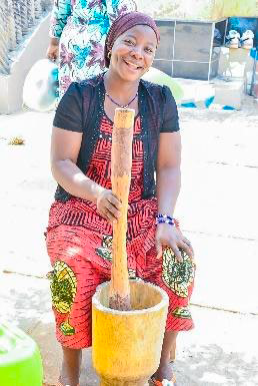
Massiamy at work. Photo credit: Adama Barry, MSSFPO/Guinea
Massiamy’s successful surgical fistula repair, coupled with a caring and supportive social immersion experience, is where this story ends.
But, after being socially isolated for many years, Massiamy Conde is once again a full participant in society. She has reclaimed her life with dignity.
Why Continued Investment in Fistula Care Matters
Massiamy’s story is one of resilience, but it should not have taken decades for her to receive the care she needed. Every woman deserves timely, respectful treatment, and the chance to heal, reconnect, and live with dignity.
As global support for health programs becomes increasingly uncertain, Massiamy’s journey reminds us why sustained investment in maternal health and safe surgery is not just necessary. It is urgent.
This story was originally published on the USAID MOMENTUM website. It reflects work supported by a USAID-funded initiative focused on strengthening surgical safety in maternal health and voluntary family planning. It has been updated to reflect the critical consequences that the dismantling of USAID-funded health programs will have on women like Massiamy.