
Breaking the Cycle: Father Becomes Champion for Ending Child Marriage
“I now know that my religion doesn’t force child marriage, and my daughter has the right to decide the timing of her own marriage. This realization has made me deeply regret my previous decision to allow my child to marry at the age of 14, while she should have been in school, pursuing her education. The EngenderHealth training was truly transformative in helping me recognize the importance of respecting girls’ rights and supporting their educational and personal development before they consider marriage.”
Child marriage has long been practiced in Ethiopia’s Afar region and it is quite common for girls as young as eight to marry. Because deeply entrenched societal norms and expectations make it difficult for girls to find suitable husbands after the age of 18, families often feel obligated to ensure their daughters marry before they become of “unmarriageable” age.
Child, early, and forced marriage is a form of gender-based violence that includes formal and informal unions in which one or both parties are under the age of 18, regardless of local laws, and unions that occur without the full and free consent of one or both parties.
“Unless they marry at early age, girls may fail to get man to marry them once they reach 18 years in our community.”
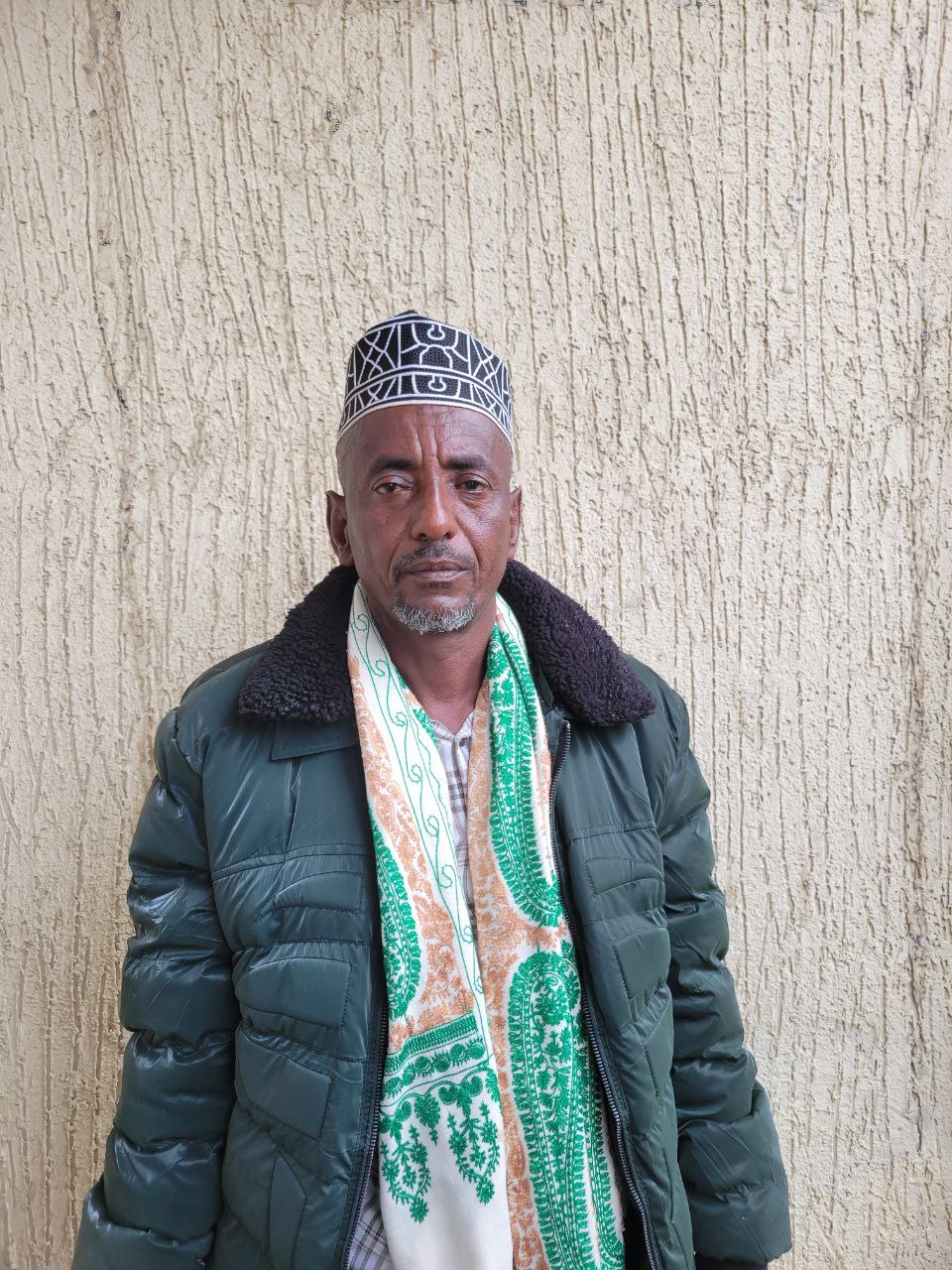
Mohammed, a father living in Afar, has experience with this complex issue with his own daughters. As a clinically trained nurse, he understands there can be serious consequences associated with child marriage. He has witnessed the suffering endured by many young girls, including devastating issues like fistula and other profound psychosocial problems arising from early pregnancy.
Yet, the overwhelming pressure Mohammed endured from his family and community forced him to participate in this practice by allowing three of his daughters to marry earlier than he would have liked. He let his first two daughters marry at the age of 17 and, more recently, made the difficult decision to allow his third daughter to marry at the age of 14.
“I tried my utmost for my daughter to continue her education, but the relentless demands from her mother, extended family members, and the broader community proved too overwhelming. I was fearful of being ostracized by the community for going against the deeply entrenched cultural norms.”
After attending a transformative training on child protection organized by EngenderHealth’s Provision of Life-Saving Protection and Gender-Based Violence Assistance project, Mohammed gained new insights. The program focused on conflict-affected internally displaced persons, host communities, and returnees in Kilabti-Resu, Zone 2 of the Afar region.
Following the training, Mohammed became truly aware of the fundamental rights of girls. He learned that while child marriage is a deeply entrenched practice in Afar, it is not actually supported by Islam and there are no religious documents, including the Quran, that support child marriage. Rather, this harmful practice has been supported by cultural norms and societal pressures.
Moving forward, Mohammed has committed to ending the deeply harmful practice of child marriage in his community by engaging with community and religious leaders. He is determined to resist social pressures that promote child marriage and wants to encourage his remaining daughters to continue their education.
“I will advocate for girls’ rights and work with community and religious leaders to end child marriage and its harmful effects. I am committed to ensuring that my remaining daughters complete their college education before considering marriage. If Allah blesses me with good health and a long life, I will do everything I can to support my daughters in achieving their full potentials through higher education before they take the important step of marriage.”