
UNiTE to End Digital Violence: Turning 16 Days of Activism into Lasting Action
By Nardos Delelegn Bogale and Nahom Birru, EngenderHealth Ethiopia
From November 25 to December 10, 2025, EngenderHealth Ethiopia harnessed the global campaign against gender‑based violence (GBV)—the 16 Days of Activism— not as a momentary call to awareness, but as a catalyst for sustainable change. Through the Rights‑Based Approach to Enhancing Sexual and Reproductive Health and Rights (SRHR) and Responding to GBV project, funded by the Swedish International Development Cooperation Agency (Sida), the organization worked with partners across Addis Ababa City Administration, Amhara Region, and Somali Region to amplify voices, strengthen systems, and translate awareness into action.
With the global theme “UNiTE to End Digital Violence against All Women and Girls,” the campaign responded to the growing reality that violence against women and girls increasingly extends into digital spaces—and that ending it requires coordinated, rights‑centered strategies across sectors.
Building Knowledge, Shaping Attitudes, Strengthening Systems
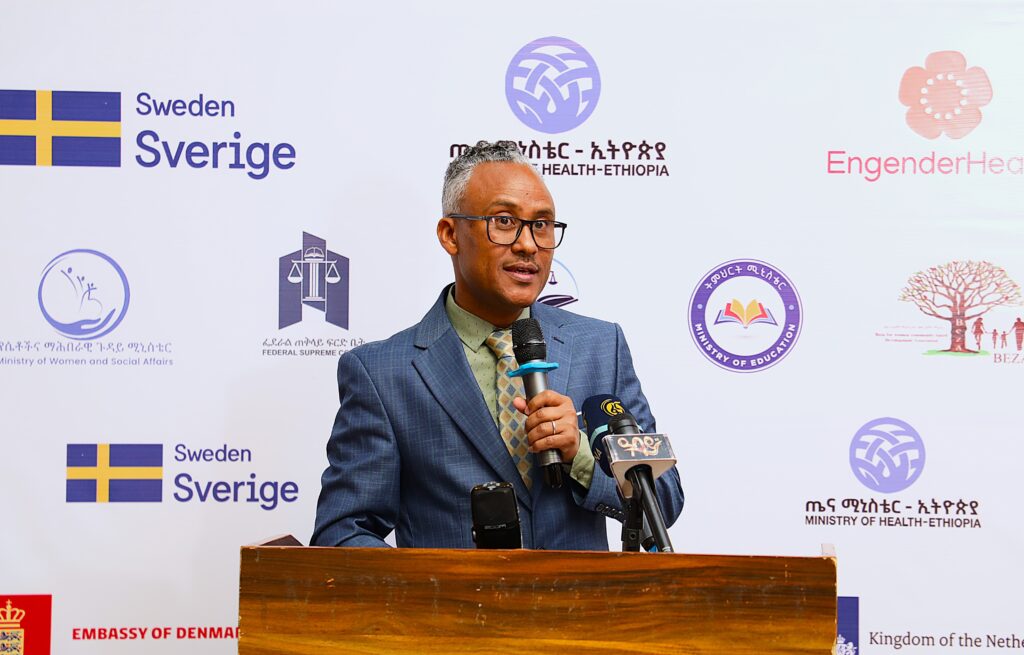
Systems that prevent and respond to violence must be informed, coordinated, and inclusive. Over the 16 Days, EngenderHealth Ethiopia trained 186 frontline professionals (52% women)—including police officers, judges, journalists, and healthcare providers—to deepen their knowledge and skills in survivor‑centered GBV prevention and response.
Police officers strengthened their understanding of GBV dynamics and survivor‑centered care, while judges from the Federal First Instance Courts enhanced their grasp of Gender, Youth, and Social Inclusion (GYSI) and the relevant legal frameworks. Journalists and communication professionals explored how media can responsibly inform the public, challenge harmful social norms, and elevate survivor‑centered narratives.
At the service delivery level, healthcare providers and staff from One‑Stop Centers (OSCs) received Adolescent and Youth Health training and sign language training, ensuring that care is not just available, but inclusive and accessible to all survivors, including people with disabilities. These investments in knowledge and capacity helped create a more coordinated system ready to prevent violence, uphold rights, and protect survivors.
Jemal Kassaw, the Ethiopia Country Director at EngenderHealth emphasized:
“This event was organized not only to mark the 16 Days of Activism, but also to bring partners together to reflect on progress, openly discuss challenges, and identify practical steps for moving forward.”
Each training contributed to a stronger, more coordinated system, one that is now better equipped to prevent violence, protect survivors, and uphold rights.
Creating Space for Dialogue and Accountability
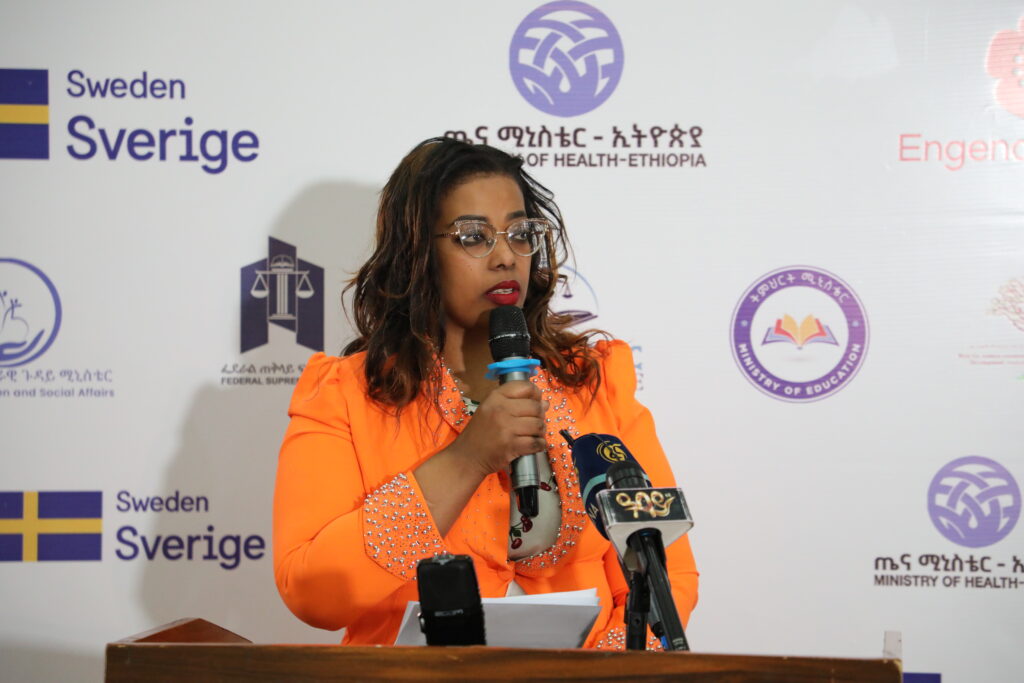
A central milestone of the campaign was a High‑Level Panel Discussion on Accountability and Progress, held on December 4, 2025, in Addis Ababa. The event convened 87 senior government leaders (57% women), policymakers, and partners — with more than half identifying as women — from the health, justice, and social sectors.
H.E. Asenefech Abebe emphasized the urgency of collective responsibility:
“Violence is a gross misconduct of human rights, and we must build a community that doesn’t tolerate any form of violence.”
Going beyond speeches, the discussion built on previous commitments and created space for honest reflection on progress made, the gaps that remain, and the shared responsibility needed to end violence against women and girls. The presence and engagement of high-level officials sent a powerful message: ending GBV is a national priority.
To extend this conversation beyond the conference hall, the dialogue was broadcast on national media, reaching wider audiences and sparking public discussion. Coverage can be found here for Abay TV, Arada FM, Fana Television YouTube, ebstv Worldwide YouTube.
Reaching Communities, Engaging Young People
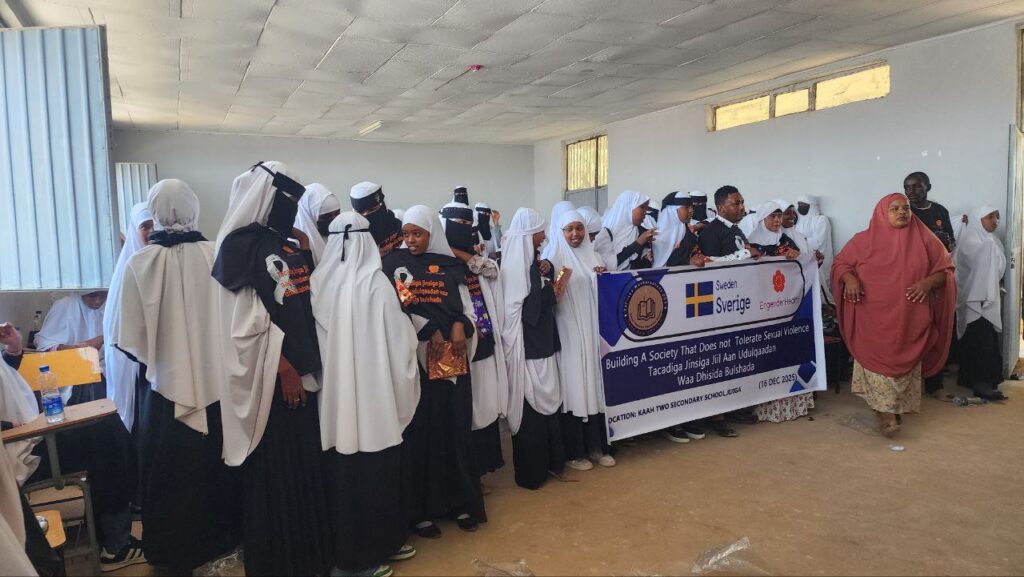
While high‑level policy dialogues matter, change begins in community spaces. Throughout the campaign, EngenderHealth Ethiopia collaborated with schools, youth groups, and local stakeholders to reach 1,110 young people—746 of them girls— in conversations about GBV prevention, healthy relationships, and gender equality.
School‑based awareness sessions across Addis Ababa, Amhara, and Somali Regions created safe spaces for students to ask questions, challenge harmful norms, and explore peer activism. In Kalu Woreda, community dialogues brought together local leaders, service providers, and residents to discuss survivor support, referral pathways, and collective solutions—reinforcing the idea that prevention begins early, and every community member has a role to play.
Media as a tool to challenge silence and spark accountability
Digital platforms were central to EngenderHealth Ethiopia’s strategy. With daily social media content—including short videos and visual messaging—the campaign reached an estimated 39–43 million viewers, amplifying key messages on digital safety, rights, and accountability.
By working closely with journalists, broadcasters, and digital platforms, the initiative helped ensure that GBV conversations were visible, accurate, and survivor‑centered, countering misinformation and contributing to a public dialogue often constrained by silence.
Supporting Survivors Through Practical Action
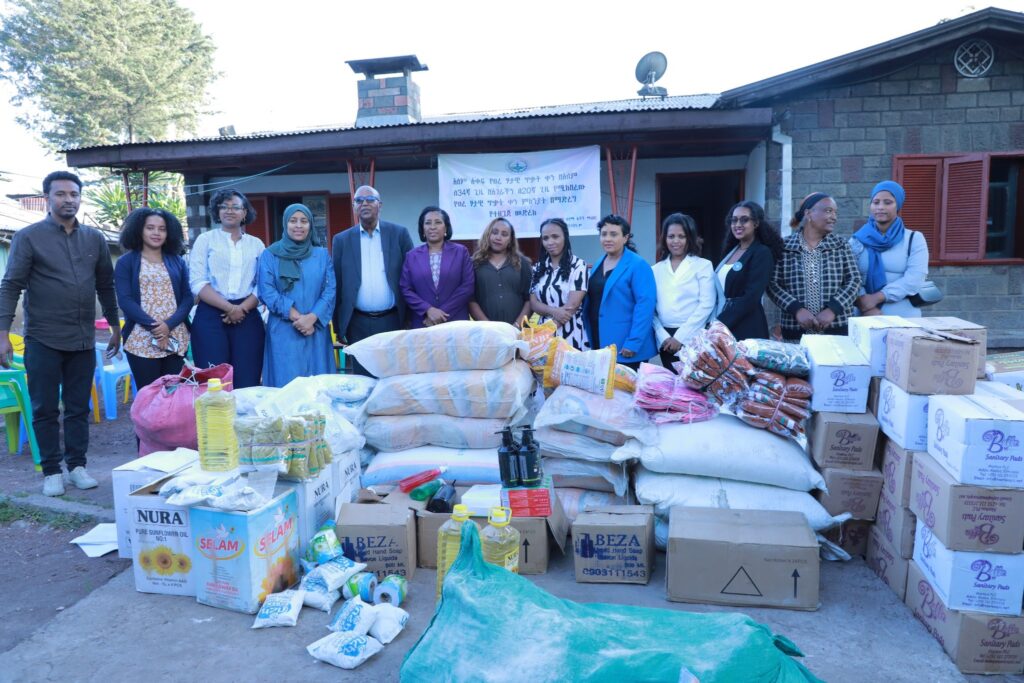
Beyond advocacy and awareness, the campaign translated commitment into practical support. EngenderHealth Ethiopia donated sanitary pads to government partners for distribution at OSCs, shelters, and internally displaced persons (IDP) sites, addressing an essential, yet often overlooked, need for women and girls affected by crisis and violence.
Additionally, medical equipment and materials were provided to the St. Paul’s Millennium Medical College One‑Stop Center, bolstering the ability of health facilities to deliver dignified care. Field visits to OSCs, hospitals, and IDP sites allowed partners to listen, learn, and strengthen referral systems—ensuring services respond to real needs in communities.
Renewed Commitment
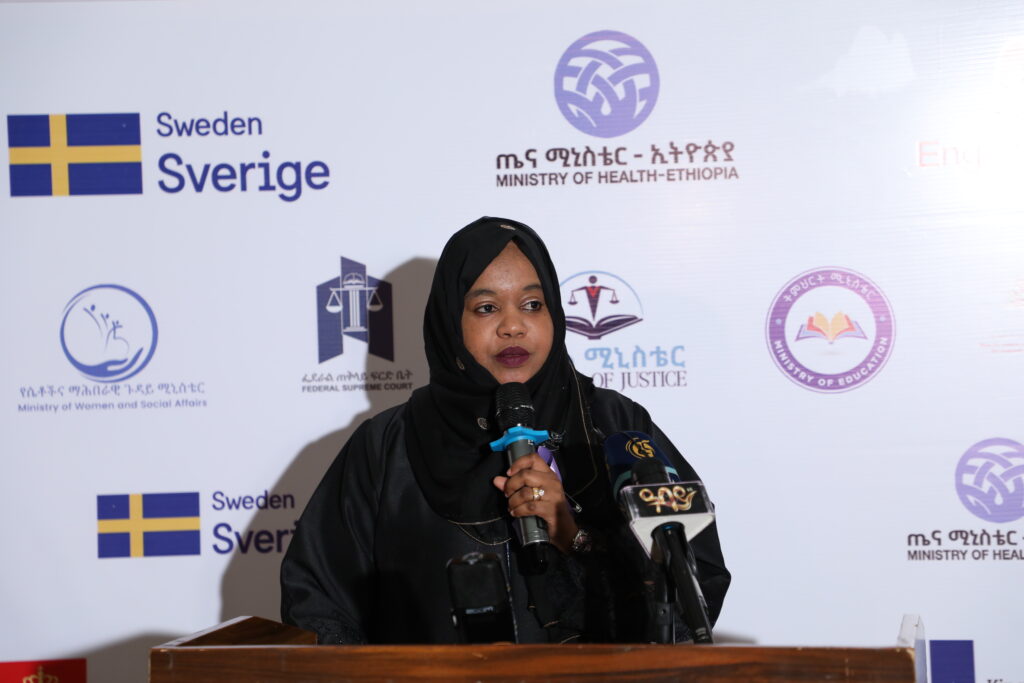
As the 16 Days of Activism concluded, one message emerged clearly: the work does not end here. Through strengthened partnerships with government institutions, women‑ and youth‑led organizations, media, and communities, EngenderHealth Ethiopia helped lay the foundation for sustained change.
H.E. Mrs. Saharla Abdulahi reflected on the dual nature of effective support:
“The cornerstone for supporting survivors of GBV is a dual approach composed of system strengthening and community‑based prevention and response.”
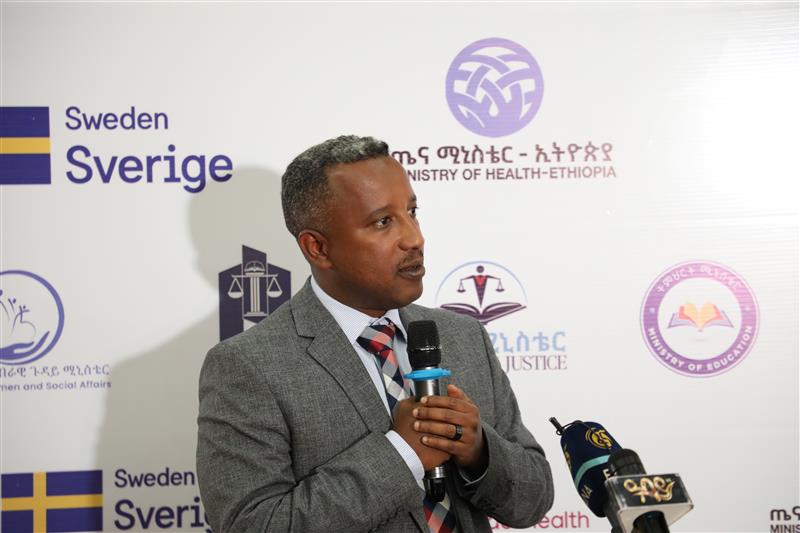
H.E. Dr. Ermias Yemanebirhan, State Minister of the Ministry of Justice.
H.E. Dr. Ermias Yemanebirhan reaffirmed the collaborative call to action:
“We need to protect human rights, engage communities in preventing Gender‑Based Violence and strengthen collaborative planning among all stakeholders.”
By combining dialogue with action, awareness with systems strengthening, and advocacy with service delivery, the campaign moved beyond symbolism—contributing to real, measurable progress toward a future where all women and girls can live free from violence.