
From Stigma to Choice: Lessons on Inclusive Sexual and Reproductive Health in Tanzania


Strengthening Health Systems for Disability-Inclusive Family Planning in Tanzania
An estimated 1.3 billion people worldwide live with a significant disability—about 16% of the global population. Yet most still face overwhelming barriers to sexual and reproductive healthcare.
In Tanzania, EngenderHealth’s Scaling Up Family Planning (SuFP) program is demonstrating how health systems can change course. By embedding inclusion into every level of care, SuFP is ensuring that people with disabilities have the same rights, choices, and access to family planning as anyone else.
We sat down with members of the SuFP team to learn what it takes to make health systems more inclusive, what the data reveals, and how these lessons can strengthen family planning services everywhere.
Why do people with disabilities face barriers to family planning?
Harmful social norms and systemic barriers often push people with disabilities to the margins of healthcare.
Misconceptions—like the idea that they are asexual or unfit to parent—combine with inaccessible facilities, limited communication resources, and providers who may not feel equipped to deliver inclusive care.
These obstacles don’t just make family planning harder to reach; they deny people with disabilities the dignity, autonomy, and choices that are central to sexual and reproductive health and rights.
How is Tanzania expanding inclusive family planning services?
Through the Scaling Up Family Planning (SuFP) program, EngenderHealth took a health systems approach to inclusion—embedding accessibility and equity throughout service delivery.
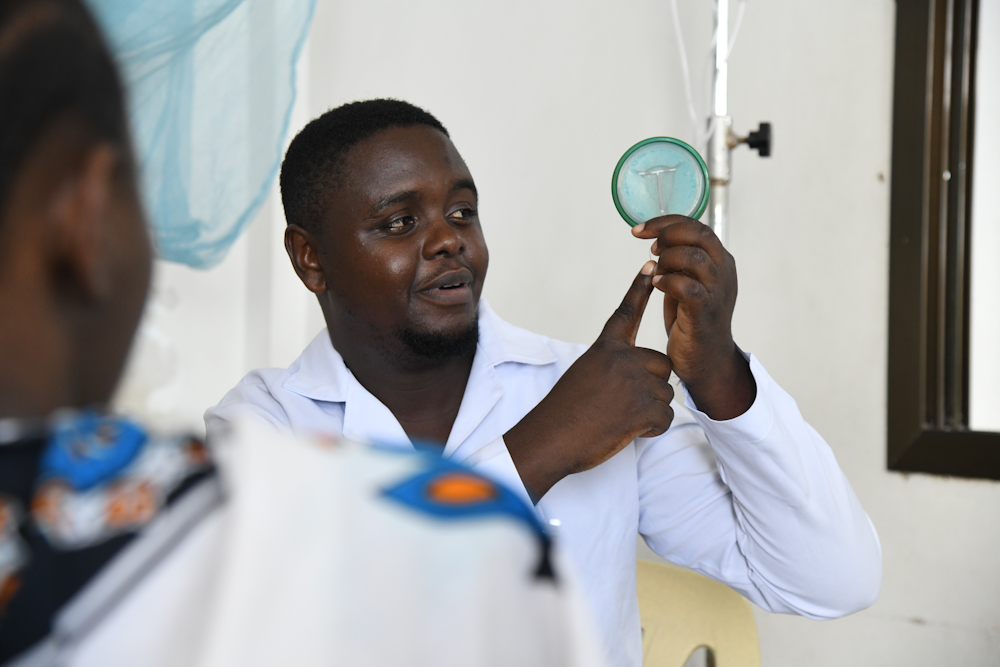
What role does provider training play?
An important part of this work was ensuring that providers have the knowledge, tools, and confidence to deliver respectful, inclusive, and client-centered care to people with diverse needs. Providers were trained to recognize bias, improve communication, and offer contraceptive options suitable for each client.
How are communities and leaders involved?
Building inclusive systems requires support beyond clinic walls. Community and administrative leaders were engaged to challenge stigma, recognize the rights of people with disabilities, and create supportive environments for contraceptive access.
Why is engaging people with disabilities directly so important?
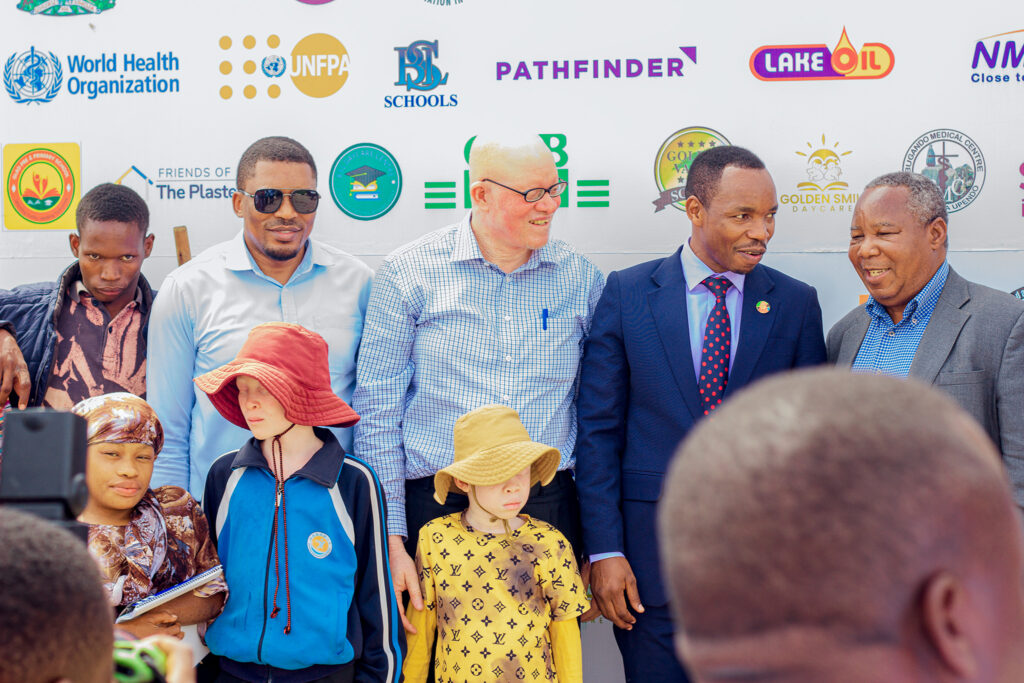
To ensure programs reflect lived realities, EngenderHealth worked alongside people with disabilities to co-design outreach, strengthen accountability, and ensure services respond to client preferences and needs. Their involvement made the program more relevant, effective, and trusted.
Which family planning methods are most in demand?
Between 2022 and 2024, SuFP reached over 1.6 million family planning clients, including more than 17,000 people with disabilities. More than half were first-time family planning users.
Among clients with disabilities, demand for long-acting reversible contraceptives was especially strong:
- 77% chose implants
- 7% chose IUDs
- 15% opted for short-term methods
- 1% selected permanent methods
These figures highlight the importance of ensuring equitable access to reliable, long-term contraceptive options.
How does stronger data improve services?
Inclusive data collection made people with disabilities visible in family planning reporting, something that had rarely been done before. Disaggregated data allowed teams to track progress, identify gaps, and continually strengthen service delivery.
How are community attitudes shifting due to this work?
Community acceptance grew as leaders and families became more engaged. Over time, attitudes shifted to recognize that people with disabilities have the same rights to sexual and reproductive health as everyone else. Inclusion benefits all and leads to healthier families, stronger communities, and more equitable health systems.
Why do inclusive health systems benefit everyone?
Delivering quality family planning services for people with disabilities is possible—even in low-resource settings. Inclusive health systems address barriers faced by one group while improving the care environment for all clients. Accessibility, respectful care, and strong data systems help everyone.
What should other countries learn from Tanzania’s experience?
Three key lessons stand out:
- Train providers to deliver inclusive, respectful care.
- Mobilize communities to challenge stigma and support rights.
- Engage people with disabilities in program design and accountability.
These steps show that disability-inclusive family planning is both achievable and essential worldwide.
From Tanzania to the World: A Call for Inclusive Family Planning
At EngenderHealth, we believe all people—including people with disabilities—have the right to make decisions about their bodies and their lives. By embedding inclusion into health systems, we can ensure no one is left behind.
Program Spotlight: Scaling Up Family Planning (SuFP) in Tanzania

Since 2019, EngenderHealth’s Scaling Up Family Planning (SuFP) program has been strengthening health systems to ensure that all people—including adolescents, young people, and people with disabilities—can access high-quality, voluntary contraceptive care and family planning services.
Where we work: Eight regions across the mainland of Tanzania (Arusha, Dar es Salaam, Dodoma, Geita, Kilimanjaro, Morogoro, Pwani, and Tanga) and all five regions of Zanzibar.
What we do:
- Train providers in inclusive, respectful contraceptive care.
- Mobilize communities and leaders to support family planning rights.
- Expand outreach to underserved populations.
- Strengthen data systems to track and improve services.
Our impact (2022–2024):
- Reached 1.6 million people with family planning services.
- Expanded access for 17,000+ people with disabilities, more than half first-time users.
- Demonstrated strong demand, with 84% of clients with disabilities choosing long-acting methods (implants and IUDs).
Through SuFP, EngenderHealth and partners are proving that inclusive family planning is not only possible—it’s essential.
Thank you to Simon Mbele, Moke Magoma, Fredrick Msigalla, Deus Ngerangera, Lilian Lukumai, Nasibu Mwanamsangu, Anna Temba, Danielle Garfinkel, and Kathryn O’Connell for their contributions to this article.
For guidance on respectful, inclusive terminology, read EngenderHealth’s People with Disabilities Language Guide.