
From Crises to Care: EngenderHealth’s Actions Against Gender-Based Violence
By Nama Taha, Humanitarian Assistant Fellow
In crisis settings like conflict zones and refugee camps, gender-based violence (GBV) worsens, disproportionately affecting women and girls. EngenderHealth provides comprehensive, tailored services to meet the immediate and long-term needs of vulnerable individuals in these environments.
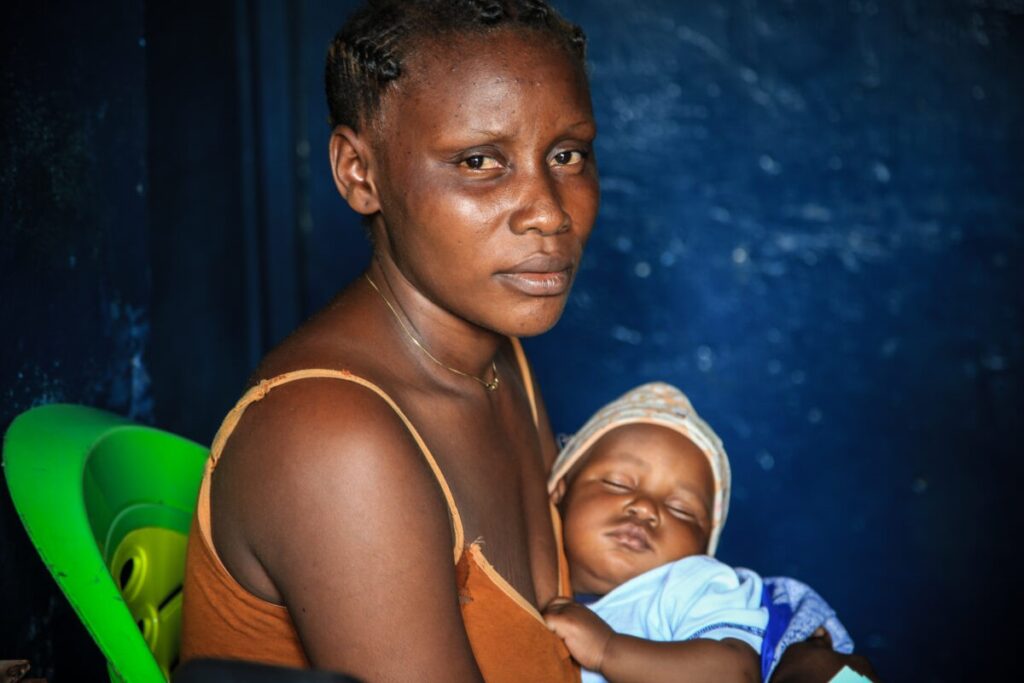
What is gender-based violence?
Gender-based violence (GBV) refers to harmful acts directed towards individuals based on their gender. This can include female genital mutilation or cutting, sexual, physical, economic, and psychological violence, as well as early and forced marriage. GBV disproportionately affects girls and women.
What is a humanitarian setting?
Humanitarian settings are environments where people have been displaced or endangered due to conflict, disaster, and other emergencies. Humanitarian settings include conflict zones, refugee camps, temporary shelters of internally displaced persons (IDPs), and areas affected by natural disasters, including climate emergencies.
What is the correlation between gender-based violence and humanitarian settings?
In humanitarian settings, when societal structures are broken down, access to healthcare services becomes limited, and basic resources become scarce. As a result, violence, exploitation and abuse become prevalent, which in turn causes the risk of GBV to increase significantly in comparison to areas that are not considered humanitarian settings.
The need for a different approach to GBV in humanitarian settings
The scale and urgency of GBV in humanitarian settings require interventions that are rapid and flexible, which is why addressing the ever-changing settings where these interventions are to be implemented is a high priority. The fast-changing conditions, limited infrastructure, and cultural barriers are important factors to consider in the application of GBV interventions to humanitarian settings.
EngenderHealth works with local and international NGOs, governments, and UN agencies to expand the reach and impact of its programs. These partnerships provide a strong foundation and help create a more coordinated and efficient approach to GBV interventions. EngenderHealth prioritizes working with local organizations and community leaders to ensure that interventions are culturally appropriate, dignified, and community driven. This helps foster trust and ensures that individuals get their needs met with respect.

How does EngenderHealth approach ending GBV in humanitarian settings?
No matter where we work, our approach to preventing and addressing GBV encompasses engaging communities, including men and boys, to transform harmful gender norms; training healthcare providers and facilities to better deliver survivor-centered GBV services; and supporting improved multi-sectoral coordination of GBV prevention and response.
In a humanitarian crisis, due to disrupted healthcare systems and increased cases of sexual abuse and violence, women experience a lack of access to contraception and an increased number of unintended pregnancies. As a result, many become vulnerable and at risk of undergoing unsafe abortive procedures. Currently, EngenderHealth is helping to implement the Minimum Initial Service Package (MISP), which is a set of actionable priority items that ensure the provision of essential sexual and reproductive health services in emergencies, which includes gender-based violence. EngenderHealth helps to implement safe abortion care (SAC) in humanitarian settings, which falls under the MISP, in a way that is both feasible and legal.
Since GBV survivors are at a heightened risk of contracting sexually transmitted infections (STIs), including HIV, EngenderHealth helps to set up STI treatment and HIV testing services and counseling, as well as post-exposure prophylaxis (PEP) to prevent the further transmission of HIV.
In situations where survivors of sexual violence seek medical care, EngenderHealth helps to offer timely and comprehensive CMR (clinical management of rape) services, which include emergency contraceptive methods, STI prevention and psychosocial support. In addition, our projects incorporate a Do No Harm Framework and a Gender, Youth and Social Inclusion lens to prevent any unintended negative consequences and to ensure all receive quality care and services.
To minimize the impacts of humanitarian crises, EngenderHealth collaborates with national and regional stakeholders to ensure a comprehensive set of services for GBV survivors are available and accessible. These services include case management, training and referral pathways, mitigation activities, dignity kits, and access to women and girls’ safe spaces. Projects focus on addressing the issue of GBV structurally, as well as from national and policy levels, and community and individual, case-by-case levels.
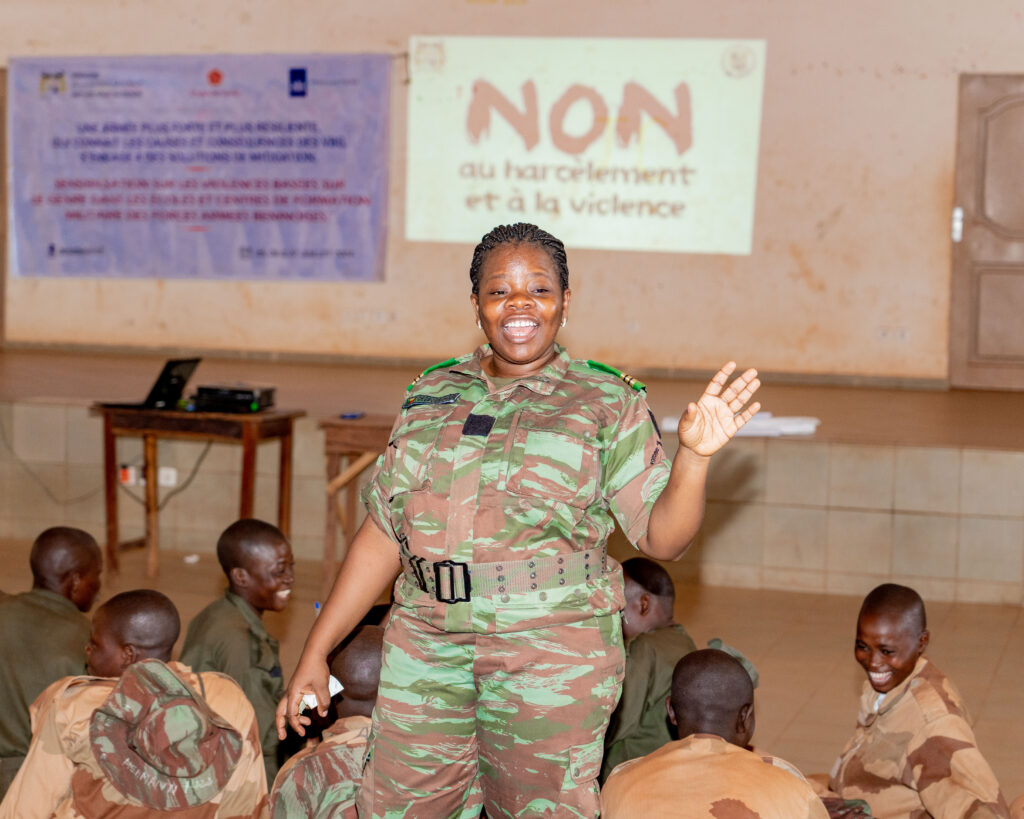
In Benin, EngenderHealth has partnered with a local NGO to implement a GBV awareness-raising course under the Ministry of Defense for student soldiers in military school. EngenderHealth supports the creation of a system of referral pathways for offered services, allowing survivors to receive exactly the care they need.
In Ethiopia, EngenderHealth implemented a project in partnership with UNICEF in the rural Afar region that strengthened the implementation of One-Stop Centers (OSC) that provide access to gender-based violence response services for survivors. EngenderHealth staff are highly trained to manage cases with confidentiality and respect, which builds rapport and trust with the community and affected individuals.
In Burkina Faso, EngenderHealth partnered with UNOCHA to implement a project that helped increase community involvement in GBV-prevention, offer support structures for GBV survivors, and mitigate future risks of GBV. In these projects, Women and Girls Safe Spaces (WGSS) were also built, where individuals can go to receive support and services.
Universally, the services implemented across these projects included counseling, psychosocial support, awareness building and capacity strengthening activities, access to comprehensive care, and improving linkages to legal and judicial services, to help survivors heal and rebuild their lives, and help prevent future risk of GBV.
Building a future free from GBV, together
While EngenderHealth has successfully integrated GBV prevention and response into its broader programming, there is still more work to be done. GBV profoundly damages individual lives, societies, and economies. Addressing and preventing GBV is critical to transforming gender norms and advancing gender-equitable communities. It is unclear whether gender-based violence can be completely eliminated in the near future, but with time, patience and compassion, patriarchal structures that leave girls and women disadvantaged and at high risk can be broken down.
Everyone deserves to live a dignified life, and when it comes to GBV, nobody should live in constant fear of it happening or live a life where they believe they should minimize their voice if they have suffered from it.
Together with our partners, we are working to develop and enhance national and social programs aimed at preventing GBV. EngenderHealth believes that mindsets and perspectives can change, and knowledge can reign, leaving room for clarity of the present, and a future rich with opportunity.
Published: December 20, 2024