
“We Use What We Have or We Turn Women Away”: Family Planning in Crisis After USAID Cuts
By Stanley Osayi, EngenderHealth Nigeria
The loss of USAID funding in Nigeria is jeopardizing access to family planning, HIV care, and maternal health, putting women’s lives at risk.
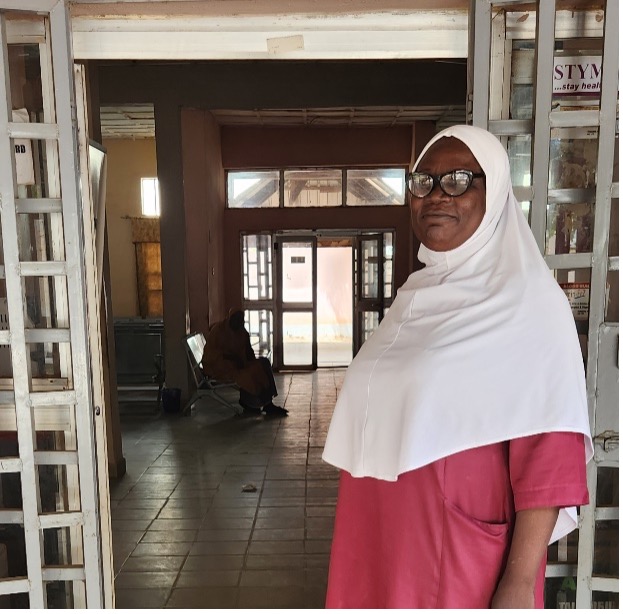
Nurse Rashida O. Lawal in Kebbi State
At the Federal Teaching Hospital in Birnin Kebbi in Kebbi State, Nigeria, Nurse Rashida O. Lawal faces impossible decisions every day.
As the midwife responsible for family planning and HIV prevention, she used to be able to offer women a choice—a future that women could plan on their own terms.
Today, that ability to choose is slipping away.
“Now we use what we have,” she says. “Or we turn women away.”
For years, US foreign aid fueled life-saving health programs across the globe, including in Kebbi, Nigeria, where thousands of women depended on steady access to modern contraceptives, family planning, HIV care, and maternal health services.
Then in early 2025, USAID abruptly shut down its programs worldwide. Overnight, supplies vanished, clinics faltered, and progress crumbled leaving countless women and families facing uncertainty, risk, and loss.
What Was Working: Choice, Trust, and Hope
USAID had funded a network of interconnected health programs in Kebbi State, working with local and international partners to ensure:
- Free contraceptive distribution to hospitals and clinics
- Comprehensive HIV services, including testing kits, treatment, Prevention of Mother-to-Child Transmission (PMTCT), gender-based violence support and outreach
- Training and job support for healthcare workers and community providers
“Medicines were available. Staff were paid. Services were free. Everything was working in harmony,” says Rashida.
Women could walk into a clinic and leave with a long-acting contraceptive method, receive trusted counseling on its safe use, and access reliable follow-up care. In rural communities, this led to fewer unplanned pregnancies, lower maternal deaths, and a significant drop in mother-to-child HIV transmission.
A Switch Was Flipped
But, when the USAID stop-work order came, it was like flipping a switch.
“Some staff/health service providers who were engaged by the USAID project were asked to stop working overnight. Salaries were stopped without warning or proper planning. The suspension caused a lot of fear and anxiety among clients and healthcare workers. We were afraid,” recalls Rashida.
The family planning supply chain was immediately disrupted. The HIV drug supply was temporarily halted.
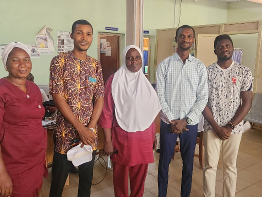
Health workers in Kebbi State
Community health workers, who used to track clients, counsel women, and conduct home visits, were unable to continue working and it affected the flow of service delivery. Women came to clinics in search of commodities, but the shelves were empty.
Even after some HIV services were partially restored, other programs—especially family planning—have not recovered. And the consequences of these cuts have affected individuals on a personal level.
“Some Patients Were So Afraid, One Almost Took Her Life”
“There was a rumor that a client wanted to commit suicide after hearing there would be no more free HIV drugs. HIV drugs are quite expensive to be paid for out of individual pockets,” Rashida recalls. “That’s how much the community relies on us and the healthcare we provide.”
And it’s not just the HIV program. Family planning clients are scared too.
They now face:
- No access to contraceptives
- Shortage of trained staff on HIV intervention for client counseling and administration.
- Women who had access to hormonal IUDs and long-acting injectables are now back to relying on unreliable or no methods at all
- Higher risks of unplanned pregnancies, unsafe abortions, and maternal deaths
When women lose access to contraception, the entire health system feels the shock. Budget cuts send a message. And in Kebbi State, the message women are hearing from the donor community is: “Your health doesn’t matter.”
“Support was very important and impactful,” says Rashida. “Without it, mortality will increase. Unemployment will rise. And in time, it may even lead to more insecurity in this country.”
The loss of USAID funding has put lives at risk—but the need for reproductive health care hasn’t gone away, and neither have we. EngenderHealth is still working alongside local partners to protect access to care, and we’re calling on global leaders to do the same. Join us in taking a stand.