
Nutan’s Voice: A Homemaker’s Journey to Menstrual Freedom
By Mini Kurup & Dr. Ajay Khera, EngenderHealth India
In many parts of rural India, menstruation is still a subject cloaked in silence, shame, and harmful myths. For Nutan Devi, that silence shaped much of her life—until a new conversation began to take root in her village.
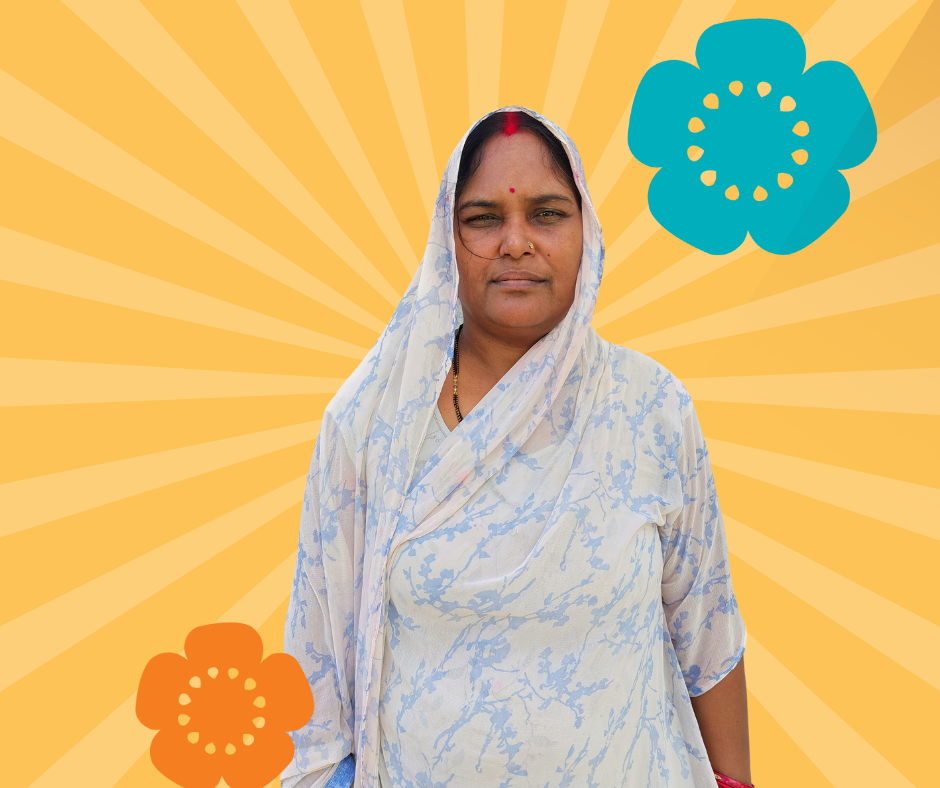
Nutan Devi is a 42-year-old homemaker from Parshurampur village, Bihar. She remembers the secrecy and discomfort that often surrounds menstruation in rural India.
Like many women in her community, she used cloth during her periods, which could be painful, inconvenient, and sometimes leaked.
“When I first started my periods, I was told to use cloth,” Nutan recalls. “It was very uncomfortable, and I was always afraid of leaking, but I couldn’t talk about it because it was a forbidden topic.”
Menstruation has long been surrounded by misconceptions and stigma. Women can often be considered “impure” during their cycles and barred from participating in religious rituals or even touching certain household items. For many women and girls, a sense of isolation and shame can accompany menstruation that makes it difficult to talk openly or seek the support they need.
A New Beginning: Using a Menstrual Cup
Nutan’s journey toward menstrual freedom began about a year ago when EngenderHealth, through the Ben Kharl Project, organized a training session in her village focused on menstrual hygiene management. During this session, Nutan was introduced to a product unfamiliar to her and many others in the village: the menstrual cup.
The menstrual cup is a reusable silicone device. It represents a significant departure from other menstrual management methods. Because it is reusable, it can be a more sustainable and cost-effective alternative to pads and cloths.
For Nutan, the training was eye-opening—not only did she learn about improved hygiene practices, but handling the cup herself helped her understand how to use it confidently.
When Nutan went home, she shared what she learned with her daughter. Her daughter already knew about menstrual cups but had not tried them yet. They decided to try it together, and they haven’t looked back since. Though the initial adjustment took getting used to, she soon realized the benefits: no more leaks, no waste to dispose of, and the freedom to go about her daily life without anxiety.
Health, Confidence, and Community Change
For Nutan, adopting the menstrual cup has been transformative. It has alleviated physical discomfort and provided a newfound sense of dignity and control over her body. Using the cup has also helped her save money since she no longer needs to purchase pads monthly.
More importantly, Nutan has become a community advocate, encouraging other women to consider safer menstrual products. She knows many still rely on cloth—often because of limited awareness or financial constraints—and that using cloth can lead to pain or bacterial infections.
At the same time, Nutan recognizes that misinformation and cultural beliefs remain major barriers, with many women fearing new methods and family members sometimes discouraging their use because of persistent myths and misunderstandings about menstrual health.
Breaking the Silence and Making Menstrual Health a Right
Nutan’s story underscores a critical need: expanding menstrual health education not just for women and girls, but for men as well. Changing deeply entrenched social norms requires the involvement of the entire community.
She also emphasizes the importance of offering menstrual cups in different sizes, especially for younger girls, since the standard size is typically designed for adult women. Improving access to affordable menstrual hygiene products is crucial, particularly in remote and rural areas.
“Women must know about their health and be able to make decisions for themselves,” Nutan urges. “Periods should not be a secret—it’s a natural process, not a punishment. Let’s break the silence and make hygiene a right for everyone, not just a special privilege.”
She calls on communities, governments, and health organizations to increase education efforts, improve access, and foster open conversations about menstruation. By breaking down taboos and equipping women with knowledge and options, we can help other women and girls embrace new menstrual health solutions.