
How Loko Wako Chose Her Future and Stood Up to Child Marriage in Ethiopia


By Olifan Degebas, Borena Field Office Coordinator, EngenderHealth Ethiopia
For many adolescent girls across rural Ethiopia, the pressure of early marriage limits their education, health, and future opportunities. Yet with the support of informed peers, engaged schools, and committed communities, girls are increasingly finding the strength and support to claim their rights. Loko Wako’s story illustrates how collective action and community dialogue can help protect adolescent girls and keep their dreams alive.
At 17, Loko Wako was standing at a crossroads no girl should ever face. Raised in Dawa village in Elwoye Woreda, a remote pastoralist community in Ethiopia more than 120 kilometers from the zonal capital, Loko grew up knowing that education required sacrifice.
The fifth of nine children in a family dependent on livestock, she walked long distances across harsh terrain each day to attend school. She loved learning and dreamed of becoming a doctor—someone who could one day serve communities like her own.
Then everything changed.
A Decision Made Without Her Consent
After her older sister died, Loko’s family turned to Irb, a long-standing cultural practice in the Borana community. Irb is a sororate marriage tradition in which a widower should or must marry his deceased wife’s sister. It is more typical in cultures with a strong clan structure, in which marriage outside the clan is forbidden.
Without her consent, Loko’s family decided she would replace her sister as her brother-in-law’s wife.
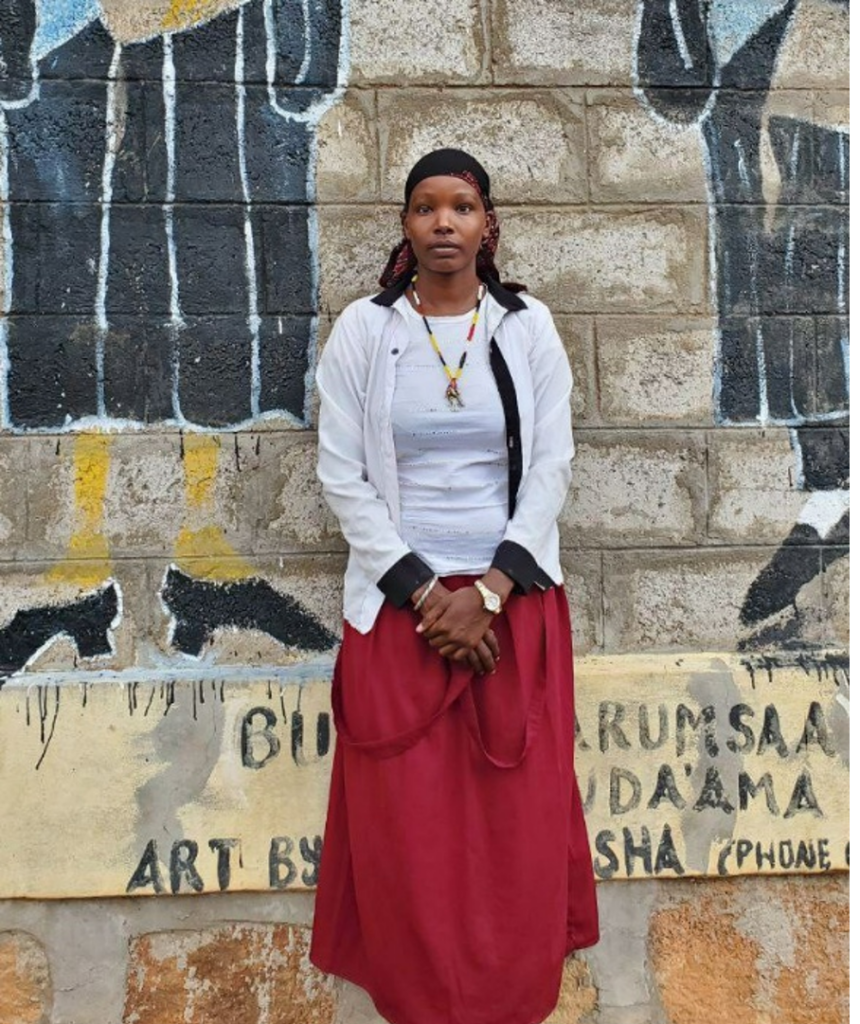
For Loko, the decision threatened everything she had worked toward: her education, her independence, and her dream of becoming a doctor.
“I felt trapped,” she later shared. “It was like my future disappeared overnight.”
Afraid and feeling powerless, she ran away.
Her Classmates Refused to Give Up
Her sudden absence alarmed her classmates. Though there was no phone network in her village, there was something stronger: solidarity. Through life-skills education and Gender Club activities supported by EngenderHealth, students had learned about girls’ rights, leadership, and how to stand together when a peer needed support.
When Loko disappeared, they acted.
They informed the school director, organized as a Gender Club, and used their small savings to search for her. When they found her, they listened without judgment and reassured her she was not alone.
Then they approached her family, explaining why Loko’s education mattered. When resistance came, they sought support from teachers, elders, and community leaders, requesting mediation and dialogue. Round after round, they persisted—respecting culture but refusing harm.
Eventually, the decision was reversed. The forced marriage was canceled. Loko returned to school.
Community pressure did not disappear overnight, but she no longer faced it alone. Her peers stood by her. Teachers supported her. The Gender Club helped with small expenses and constant encouragement.
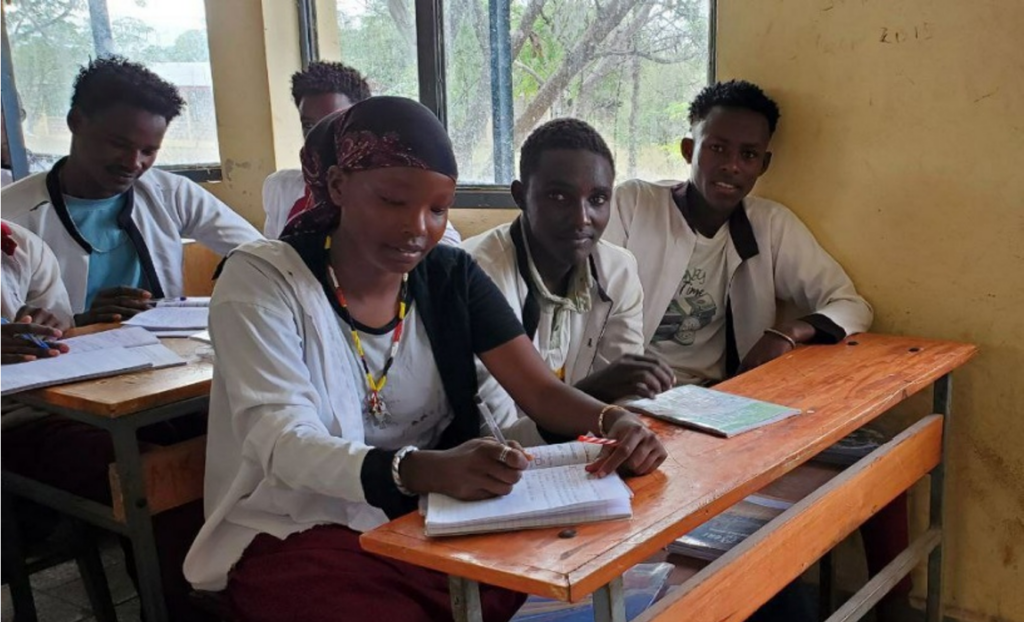
Back in School and Choosing Her Own Future
Today, Loko is back in class and excelling. She still dreams of becoming a doctor. But she has learned something equally powerful:
“I am not helpless,” she says. “And neither are other girls.”
This story is adapted from REACH: Stories of Change and Impact, a photo-rich visual journey highlighting how communities, health workers, young people, and local partners in Ethiopia are expanding access to safer water, reproductive healthcare, menstrual health education, and lasting community-led solutions.