
From Sorrow to Strength: Michael Joy’s Journey to Healing
“After the surgery, my recovery brought happiness and joy to my heart and a huge transformation to my life…Now I am free.” –Michael Joy, survivor of obstetric fistula
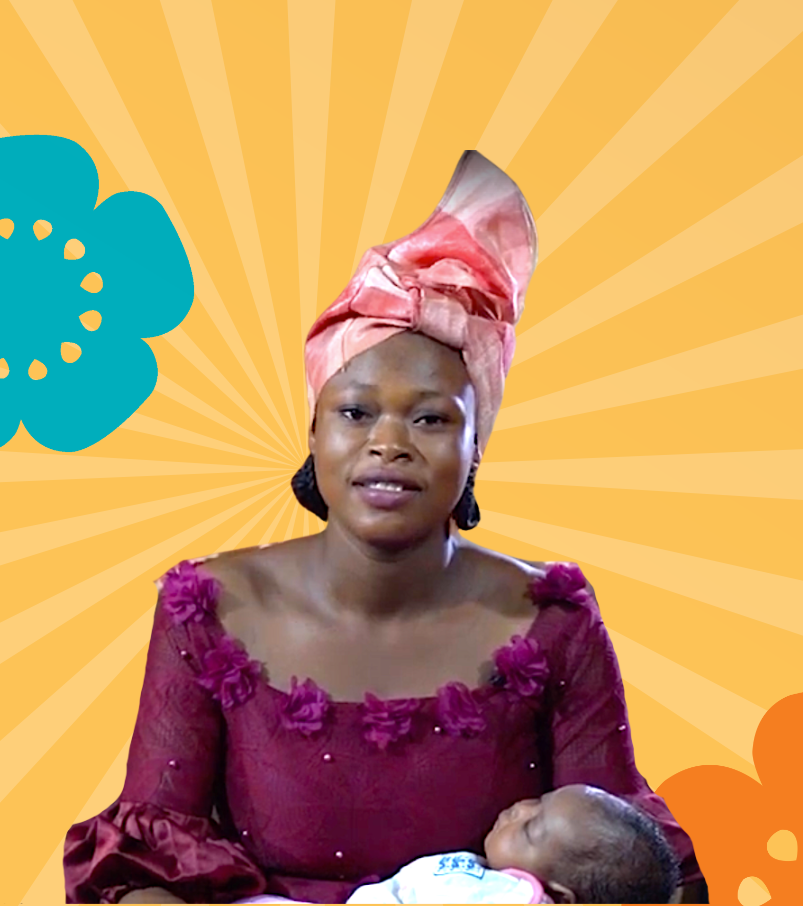
In a small town in Ile-Ife, Nigeria, Michael Joy’s life changed forever. What began as a joyful pregnancy ended in unimaginable loss.
After enduring prolonged, obstructed labor at a mission house, she lost her baby, and sustained a devastating injury: an obstetric fistula.
The condition left her leaking urine uncontrollably, and with it came not only physical pain, but deep emotional trauma, social rejection, and broken dreams.
Though rates of obstetric fistula have declined globally, the condition remains far too prevalent in parts of West Africa. In places where access to safe childbirth services and timely emergency care is still out of reach, women like Michael Joy continue to face devastating injuries that are entirely preventable. No one should have to suffer such loss—yet thousands do, often in silence.
For Michael Joy, after she developed the fistula injury, her once-thriving business collapsed as apprentices left, and customers disappeared. Even within her tightknit community, she struggled with feelings of shame and embarrassment. At her lowest point, she believed she was punished by God—a reflection of the stigma and misinformation that surrounds fistula.
“I was constantly worried about how I could live among people. It was a very tough time in my life.”
But her story didn’t end there.
A Lifeline of Hope
After years of failed attempts at local hospitals and being repeatedly turned away because they lacked the specialized surgical expertise needed to repair fistula, one phone call changed everything. A doctor called to inform her that Wesley Guild Hospital in Ilesa was offering free fistula repair surgery through the USAID-funded, EngenderHealth-led Fistula Care Plus (FC+) project.
Skeptical but desperate for a solution, she made the journey.
At the hospital, Michael Joy found something unexpected: women just like her, carrying the same invisible wounds. For the first time in years, she realized she was not alone. She believed there was a way to be healed.
Her surgery was successful, and her recovery marked the beginning of a new chapter.
“After the surgery, my recovery brought happiness and joy to my heart and a huge transformation to my life.”
She no longer had to hide away in shame. She was free—free from the constant need for diapers and extra clothes, free to sleep through the night, to travel without fear, to reconnect with others, and to imagine a future for herself once again.
Love, Resilience, and New Beginnings
Michael Joy’s journey was not walked alone. Her husband, Sunday Michael, stood by her side, despite disapproval and mockery from their peers.
“I always remembered we did not start our relationship in sorrow. I could not have left her because of the fistula problem,” he said.
Together, they weathered the storm. Today, they are the proud parents of two healthy children—a boy and a girl. Their home, once filled with silence and pain, now echoes with laughter and life.
Michael Joy is full of gratitude—for her doctor, for the care she received, for the project that reached her just in time. Most of all, she is thankful for a second chance.
“I thank the organization that created this opportunity for me—EngenderHealth—for putting an end to my sorrow.”
The Bigger Picture: Breaking the Silence on Fistula
Michael Joy’s story is not just a personal triumph—it is a call to action. Obstetric fistula is entirely preventable and treatable. Yet, countless women suffer in silence because they cannot access timely and affordable care.
As one dedicated doctor shared:
“I want all women with fistula to know they are loved, they are wanted, they are our family. Since there is a cure, they should visit a healthcare provider to seek advice on where to access care for fistula.”
Through initiatives like the Fistula Care Plus project and then the MOMENTUM Safe Surgery in Family Planning and Obstetrics project, EngenderHealth worked with partners for decades to provide free surgical repair, post-operative care, and the restoration of dignity and hope to thousands of women. But with the close of USAID-funded fistula programs, that critical support has dwindled, even as the need remains.
Michael Joy’s journey from sorrow to strength shows what is possible when compassion drives action. Her healing is a testament to accessible healthcare, resilient women, and a global community that refuses to look away.
The need remains and so do we.
This story was originally published by EngenderHealth’s Fistula Care Plus project, supported by USAID to prevent, treat, and reintegrate women affected by female genital fistula. It has been updated to highlight the serious impact that dismantling USAID-funded health programs will have on women like Michael Joy.