
Changing Attitudes: Kidist’s Journey Toward Menstrual Awareness
By Axumite Seyoum & Beza Gorfu, EngenderHealth Ethiopia
Kidist Alemayehu, an 8th grade student at Beke Kopo School in Shebe Sombo Woreda in Ethiopia, experienced the shock and confusion many girls face when they first get their period.
“I was completely shocked when my period started. I had no idea what was happening to me,” Kidist recalls.

In her community, menstruation is still considered taboo. It is a topic rarely discussed openly, even among family members. Her story highlights the urgent need for open conversations and education to break the silence land empower girls to manage their menstrual health and hygiene with confidence and dignity.
The Power of Open Conversations
Though Kidist learned about menstrual hygiene in 6th grade, the information was general and did not prepare her for the real-life experience. When her period began in 7th grade, she was unsure what the blood meant or what to do. “I didn’t realize it was supposed to be blood,” she admits. It wasn’t until she confided in her older sisters, who gave her reusable pads and explained menstruation, that she understood it was her period starting.
“This conversation was the first time we talked about something so personal,” Kidist says. “It made me realize how important open dialogue is, especially in communities where menstruation is surrounded by stigma and misunderstanding.”
Changing Perspectives Through Life Skills Training
In Kidist’s community, menstruation has often been surrounded by stigma and seen as a curse. However, when Kidist took part in the Life Skills sessions offered through EngenderHealth’s REACH project, she gained more confidence and knowledge about the topic. The Life Skills training helped shift previous attitudes she had around the topic and helped her build the confidence to support others.
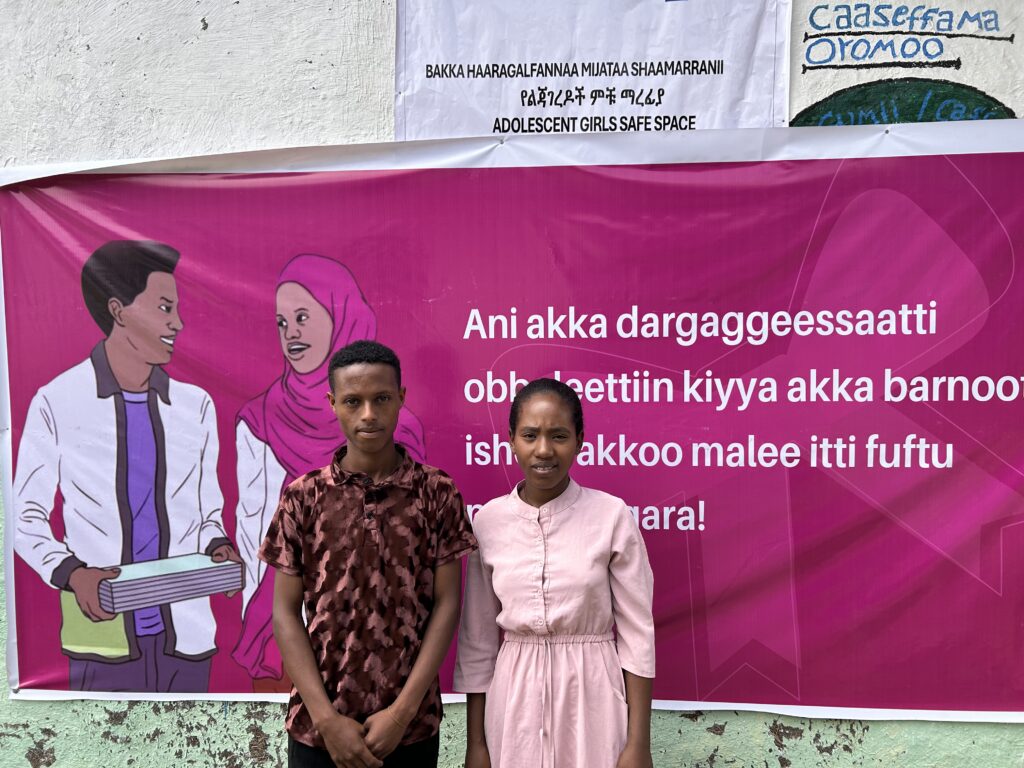
“The Life Skills training teaches us about sexual and reproductive health,” Kidist explains. “We learned, for example, that married couples are encouraged to visit health centers for counseling and family planning.”
This education is opening up new conversations and breaking down long-held taboos, paving the way for greater understanding and support for sexual and reproductive health and rights in the community.
Creating Safe Spaces: The Menstrual Hygiene Room
To support girls facing unexpected periods at school, Beke Kopo School has established a Menstrual Hygiene Room. This safe space provides a refuge for young women.
“We have access to pads, a place to rest, drink tea, read books, change clothes, or take a shower when needed,” Kidist says, highlighting the importance of having a safe and supportive space to manage menstruation with dignity.
The Menstrual Hygiene Room has become more than just a physical space: it represents a shift in mindset. Girls no longer must feel ashamed or leave school when their period begins unexpectedly. Instead, they are supported, informed, and able to continue learning at school.
Kidist’s story is a powerful reminder that change begins with knowledge and open dialogue. When communities break the silence around menstruation and invest in Life Skills education and gender-sensitive spaces, girls gain the confidence to manage their menstrual health and hygiene with dignity. By including everyone in the conversation and dismantling harmful myths, schools like Beke Kopo are paving the way for a more equitable and supportive future.