
Breaking the Silence: Bulcha’s Story on Why Menstrual Hygiene Education Matters for Everyone


By Axumite Seyoum & Beza Gorfu, EngenderHealth Ethiopia
In Shebe Sombo Woreda in Ethiopia, Bulcha Nasir is a Grade 8 student at Beke Kopo School. He represents a new generation bolstered by menstrual health and hygiene education. Although he first had learned about menstruation in school, it was through dedicated Life Skills training that the topic became approachable and easy to understand.
Growing up in a household with two older sisters, Bulcha never discussed menstruation at home, unaware of his sisters’ experiences due to the silence surrounding menstruation. The absence of open conversations shaped his early perceptions, which became marked by confusion and discomfort.
“There was a lot of silence around periods, and that made me feel uncomfortable and confused about the topic,” Bulcha recalls.
A Turning Point for Awareness and Empathy
Bulcha’s transformation began when he joined the Life Skills sessions offered through EngenderHealth’s REACH project. These Life Skills sessions not only helped him understand menstruation as a natural biological process (one free from shame or stigma), but also deepened his sense of responsibility toward others. He began to see how empathy, holistic support, and peer learning could reduce fear and embarrassment for girls who had their period at school.
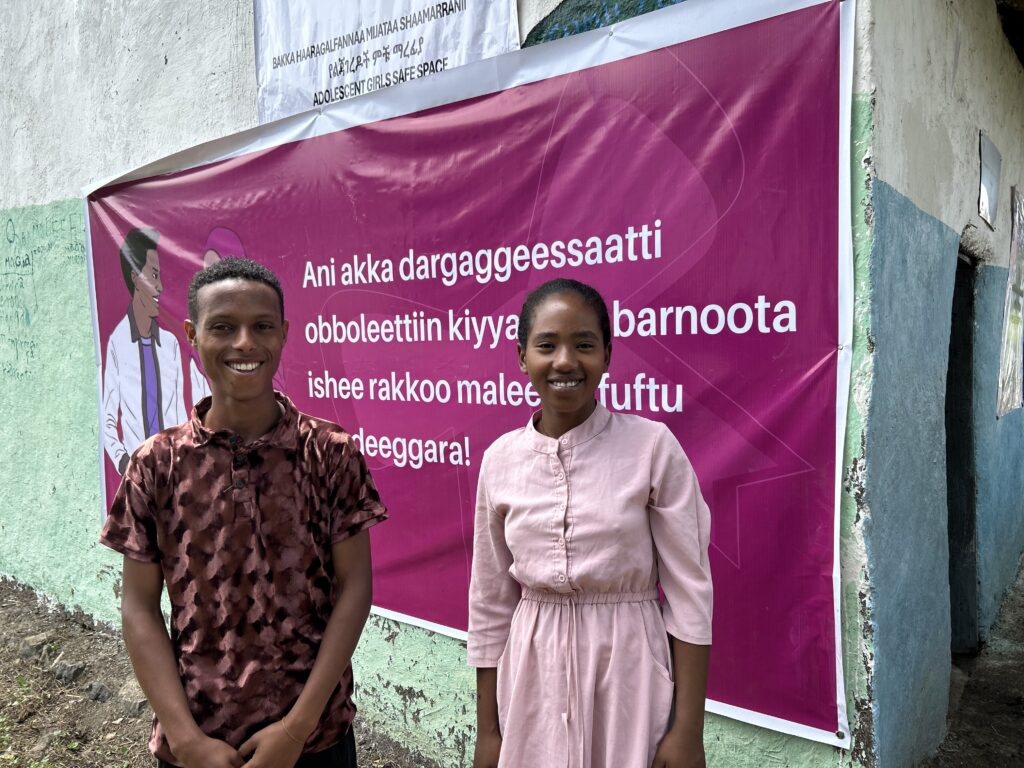
Before the construction of a dedicated menstrual hygiene room, many young girls would quietly leave school if their period started without warning. The new facility provides a safe, private space for girls to manage their periods with dignity, allowing them to stay in class and focus on learning.
“Before the school built a menstrual hygiene room, girls would often leave school if their period started suddenly. Now, they can stay and learn just like everyone else,” Bulcha says.
Menstrual Hygiene: A Community and Human Rights Issue
Empowered by his knowledge, Bulcha has taken on the role of educating his younger sister (in 5th grade) about menstrual hygiene and preparedness and breaking the cycle of silence at home. His story reflects a broader shift toward encouraging open, supportive conversations that help girls, boys, and their whole families feel confident and informed.
“Menstrual hygiene isn’t just a girls’ issue. It’s a human issue. And education is the key to breaking the silence,” affirms Bulcha.
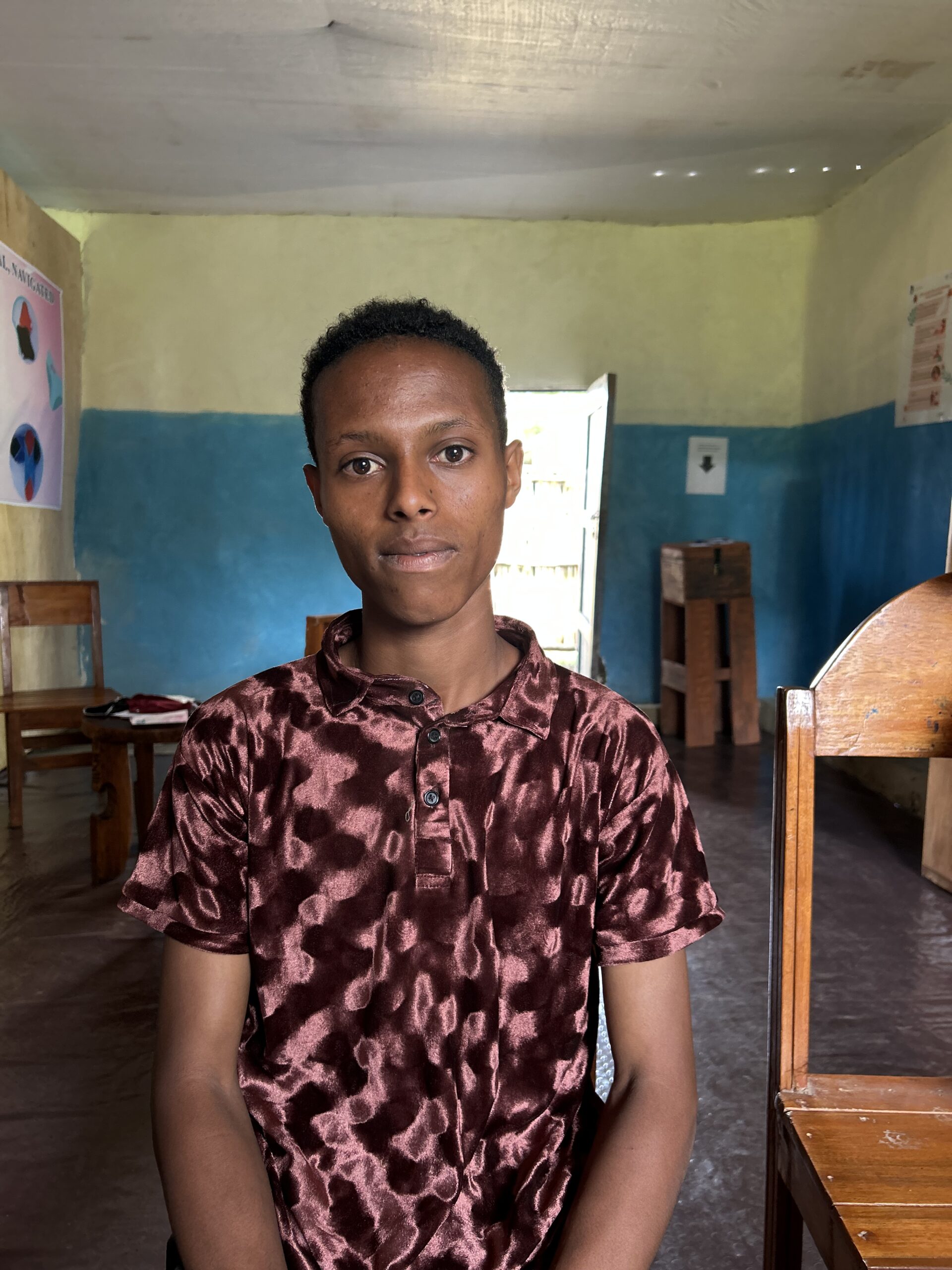
Bulcha Nasir, advocate for menstrual hygiene education for everyone.
He emphasizes that boys must also receive accurate information. Without awareness, boys struggle to understand their peers’ experiences. With greater awareness comes greater empathy, helping to build more inclusive communities where everyone feels supported in their health and well-being.
Bulcha’s experience underscores that menstrual hygiene is a human issue that extends beyond individuals. Breaking taboos and providing education benefits entire communities. Ensuring access to knowledge and facilities is crucial for fostering dignity, gender equality, and improved health outcomes for all.