
Breaking Biases in the Health System: Healthcare Provider Becomes Safe Abortion Advocate
In Gambella, Ethiopia, abortion remains taboo due to deep-rooted cultural and religious beliefs. For Thiyanga, a local healthcare provider, confronting his own bias has been key to offering safe, nonjudgmental abortion care.
Thiyanga is a 30-year-old healthcare provider with six years of experience. In his community in the town of Gambella (in the Gambella region in western Ethiopia), social acceptance for abortion is limited due to moral and religious beliefs. These beliefs have shaped Thiyanga’s personal perspectives and professional performance, potentially affecting access to safe abortion care for girls and women in his community.
“In our community, religious and moral beliefs tend to view abortion as ethically and morally challenging. These cultural influences can create internal conflicts for healthcare providers, potentially making it difficult for them to offer nonjudgmental care. Providers may also face external pressures, which can complicate their perspectives on providing safe abortion services. As a result, healthcare providers in Gambella may encounter challenges in offering safe abortion care, and women seeking these services may face notable barriers.”
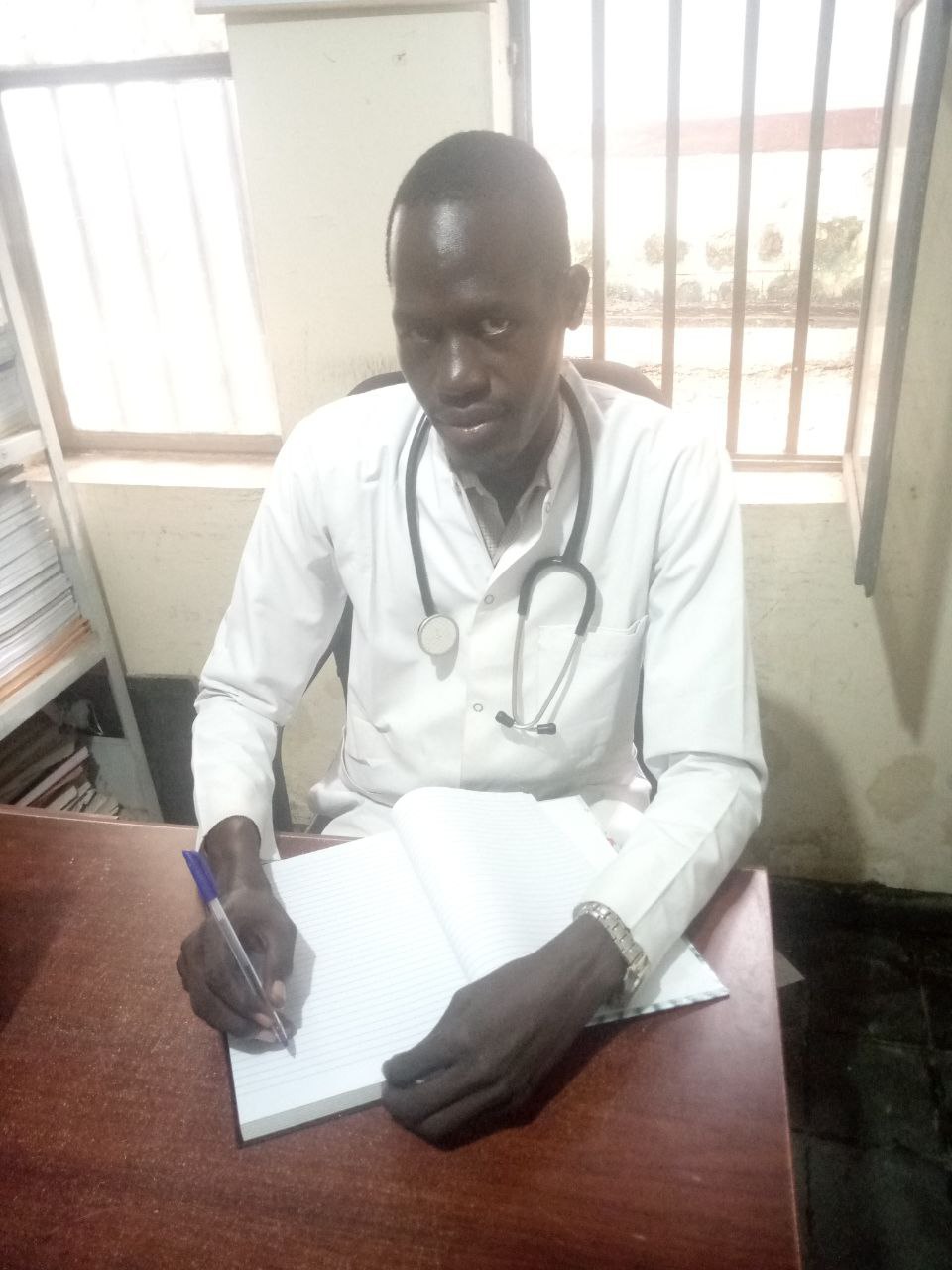
Thiyanga’s perspective on abortion changed after he attended a training facilitated by EngenderHealth and its partners through the Destigmatizing Safe Abortion Care Among Health Professionals in Ethiopia project.
A values clarification and attitude transformation session included in the training provided Thiyanga with the opportunity to reflect on his values, views, and biases related to abortion.
This session helped him distinguish between his beliefs and the rights of his clients to bodily autonomy—and to see the disconnect between his personal perspectives and professional duties and responsibilities.
“The exercise provided me with the opportunity to gain a deeper understanding of the importance of safe abortion services and the ethical considerations surrounding reproductive healthcare… it shifts my perspectives, fostering a more supportive and compassionate approach to providing safe abortion services.”
Specifically, the values clarification and attitude transformation exercise enabled Thiyanga to understand the importance of providing comprehensive, compassionate, evidence-based, equitable, and unbiased health services—even in amid strong cultural and religious opposition. The training helped him recognize that promoting safe abortion care in his community would require a multifaceted approach that considers the local context, generates awareness, and ensures the availability of safe and legal abortion services. He also learned about new strategies related to cultural sensitivity, community engagement, and health education and promotion—and he gained newfound confidence in his role.
“After attending the exercise, I experienced a shift in attitude toward providing safe abortion service. I understood the complexities and challenges faced by individuals seeking abortion care and recognize the importance of offering nonjudgmental and compassionate support.”
Thiyanga also had a personal encounter with a young woman who shared her challenges in accessing safe and legal abortion care due to stigma and limited resources. Based on this experience and the learning from EngenderHealth’s training, he has become an advocate for safe abortion care in his community. He is confident in his ability to facilitate respectful dialogues about the importance of access to safe abortion services and to explain the legality of safe abortion care to clients, colleagues, and community members.
Thiyanga’s advice to other healthcare providers who may have biased attitudes toward safe abortion care is to reconcile cultural influences with their commitment to providing evidence-based and equitable health services. He encourages others to engage in similar value clarification processes to overcome the complex challenge of balancing
cultural norms with professional responsibilities.
“Seeing firsthand the impact of restrictive cultural norms on individuals’ reproductive health choices reinforced my commitment to advocating for safe abortion services and challenging these barriers within our community.”