
More Than Numbers: The Lives Behind the USAID Funding Cuts
By Nardos Delelegn Bogale, Getu Assefa, and Robyn Sneeringer
For years, EngenderHealth and our partners have worked to strengthen community health systems and ensure health services reach the people who need them most. These efforts—made possible through close partnerships among local communities, governments, and donors like USAID—have led to lifesaving, measurable change.
But now, with the sudden and significant cut in USAID funding, that progress is unraveling. Community-based health systems built over time are being weakened overnight. The ripple effect will be felt not only by national programs, but by families, neighbors, and the people who relied on this support.
Here are just three examples of what happens when systems work—and what’s at stake when that support disappears.
Ergo Humed: From Fear to Safety—Until Now
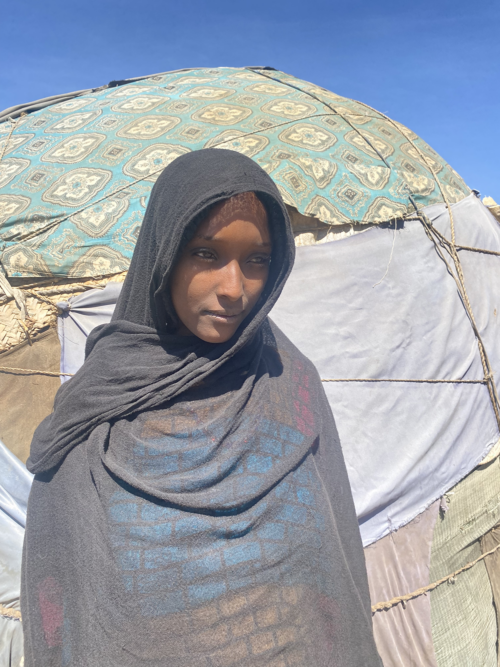
At 22 years old, Ergo is already a mother of two. Her oldest is just two, and her youngest is four months old. Growing up, malaria was a recurring challenge for her and her family.
She remembers frequent infections. The anxiety and constant threat of disease cast a shadow over her childhood.
Everything changed when she moved to a new village after marriage—one that had been reached by health extension workers and community-based health volunteers. These local heroes didn’t just deliver bed nets—they shared knowledge. They followed up. They helped families see the connection between their environment and their health.
“Since moving here, I haven’t been infected by malaria,” Ergo says. “I owe that to the health extension workers and Makafta volunteers.” She now uses her bed nets every night—and even during the day—to protect her children. Her commitment has significantly reduced the risk of malaria in her home.
Ergo’s journey—from frequent childhood illness to a healthier, more secure life for her own children—reflects what’s possible when communities, health systems, and partners work together. With support from health extension workers and Makafta volunteers, she gained the tools and knowledge to protect her family.
But that progress is now at risk.
Without continued funding and outreach, families like Ergo’s are once again vulnerable. New mothers won’t receive the education she did. Preventable illnesses like malaria will spread. And communities that were finally reaching stability may be pushed back into crisis.
Ibrahim Meo: A Crisis Averted—But What Happens Next Time?
Ibrahim is a 38-year-old father of three, a trained veterinary professional, and a steady provider for his family. One day, a visiting relative showed signs of illness. Within days, Ibrahim had diarrhea and vomiting and rushed to the local health center. The diagnosis: cholera.
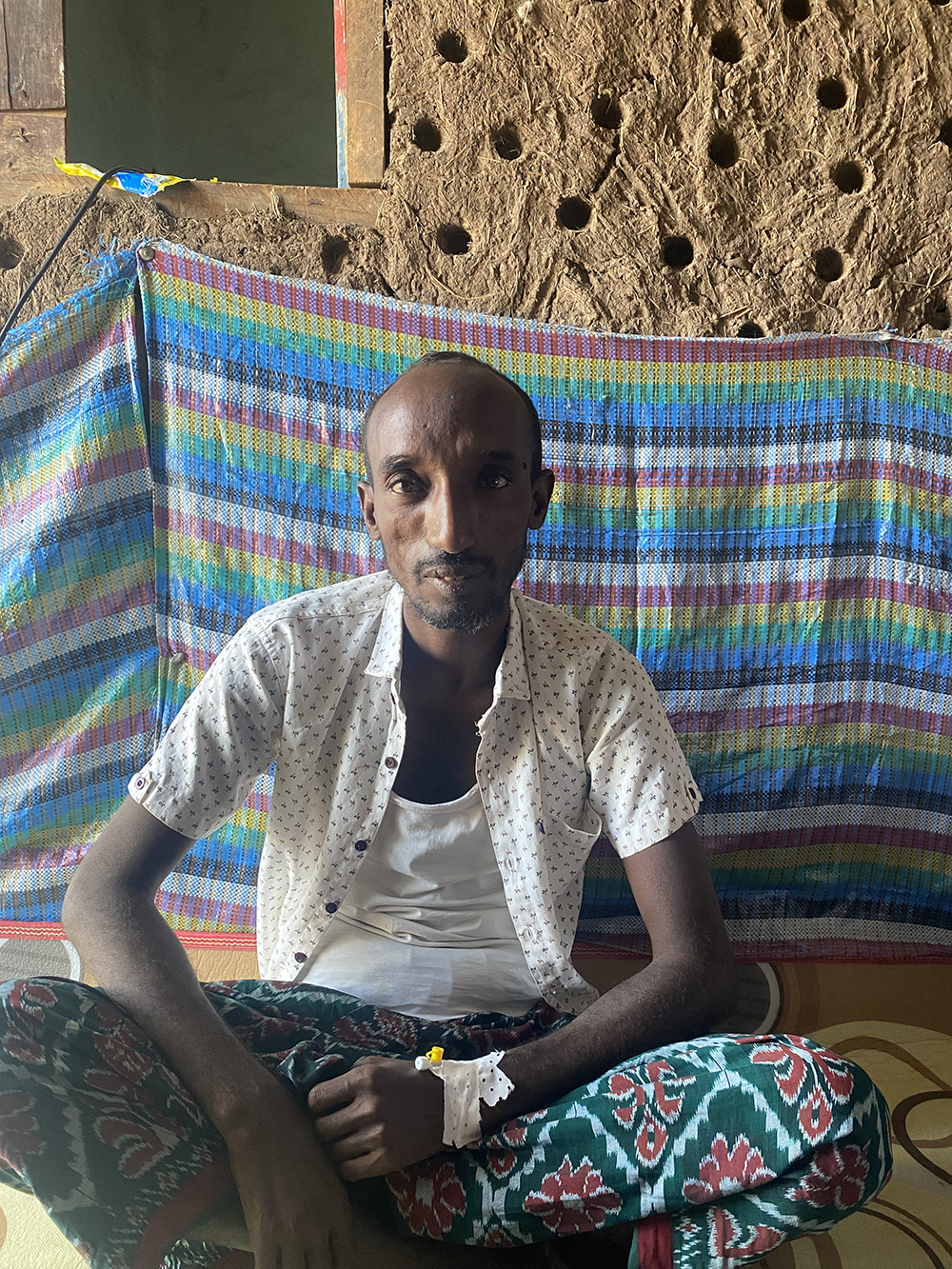
He spent three days at the treatment center. During his recovery, health extension workers visited his home, educated his family on cholera transmission and prevention, distributed water treatment tablets, and sprayed mosquito-breeding areas near their local mosque. They didn’t just treat the disease, they taught about life-saving actions the family could take.
But the support didn’t end with Ibrahim’s recovery. Not long after he returned home, he received the cholera vaccine—an added layer of protection.
His children were also vaccinated during a community-wide campaign, part of a broader effort to keep families safe.
For Ibrahim, these preventive measures brought a deep sense of relief. It wasn’t just about getting better—it was about knowing his entire household was now safer from a disease that had shaken them just weeks before.
Today, life looks different for Ibrahim and his family. Clean, piped water now flows in their community, and a simple handwashing station—with soap and water placed beside their latrine—has become part of their daily routine.
“We are aware of the transmission methods and will be cautious from now on,” Ibrahim says. His story is one of survival—but also of a community that acted fast and worked together.
Ibrahim’s story is a powerful reminder of what’s possible when community health systems are supported and functioning. Through timely education, access to care, and dedicated outreach, his family was able to navigate a serious health crisis and come out stronger.
But with funding now withdrawn, the systems that helped protect Ibrahim may no longer be there for the next family in need. His story shows what works—and what we risk losing when that support disappears.
Raruba Mohammed: A Mother’s Fight Against Malaria—and What’s at Risk Now
Raruba Mohammed is a 35-year-old mother living in a village in Ethiopia with her husband, Gaas Kalowita, and their eight children. Their youngest—a baby girl—had just arrived a week earlier when Raruba shared her story.
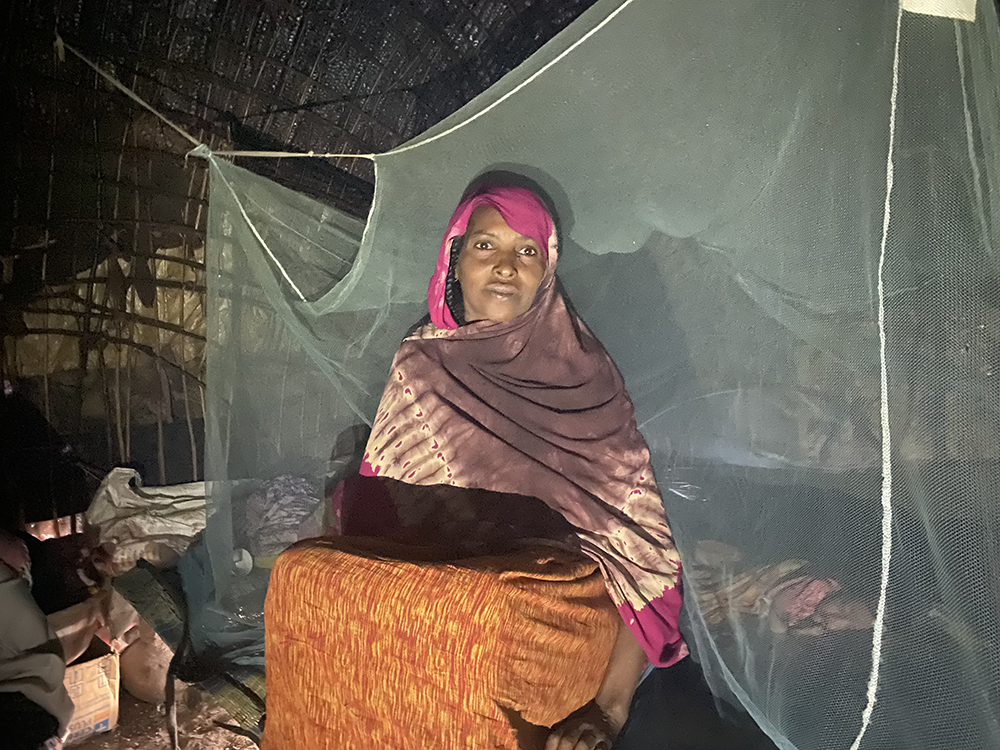
Like many families in her community, Raruba’s has had their share of struggles. Malaria has long been a constant presence, affecting both children and adults. Two months before giving birth, Raruba herself fell ill. At the time, her household had just two bed nets—nowhere near enough to protect a family of ten. She made the difficult decision to prioritize her children, but even then, fear lingered in her home.
That changed when health extension workers began house-to-house visits in her village. They didn’t just drop off supplies—they brought invaluable knowledge about how to protect her family. They explained the importance of using bed nets consistently, how to eliminate mosquito breeding sites, and how waste management contributes to a healthier home. And critically, they brought more bed nets.
“I now use the bed nets always, even during the day, for myself and my children,” Raruba says proudly.
For the first time in years, she no longer has to choose who gets to be protected.
Raruba’s journey didn’t stop at her doorstep. Inspired by what she had learned, she is now a community champion dedicated to sharing her knowledge with others. “After my postpartum recovery, I will educate my community about what I have learned,” she declared with pride.
Her plan was to become a source of strength for others—just as the health workers had been for her.
But now, that cycle of care is at risk of breaking.
With USAID funding withdrawn, the public health emergency management program that helped protect Raruba’s family through health extension services is being scaled back. The house visits may stop. New mothers like her may no longer receive guidance or additional bed nets. The support that once brought safety and knowledge to her home may no longer be there for others.
Raruba’s story is a powerful example of what’s possible when community health systems are supported. But it is also a reminder of what’s at stake when that support disappears. Without continued investment, the next mother may face malaria not with hope—but with fear and no backup.
What Happens Now?
These stories are not just examples of impact—they are evidence of what works. Of what happens when communities are trusted, trained, and resourced. They show how health systems can function—not just in theory, but in practice.
But they also show what we stand to lose.
Without funding, health workers can’t continue their outreach. Supplies like bed nets and water treatment tablets don’t reach families. Health education campaigns stop. And the gains we’ve made—on malaria, cholera, reproductive health, and maternal care—will stop.
We cannot let that happen.
EngenderHealth stands with families like Ergo’s, Ibrahim’s, and Raruba’s. We know what’s possible when global partnerships support local action. And we know the cost of walking away.
We’ve seen what works. We can’t afford to lose it now.